
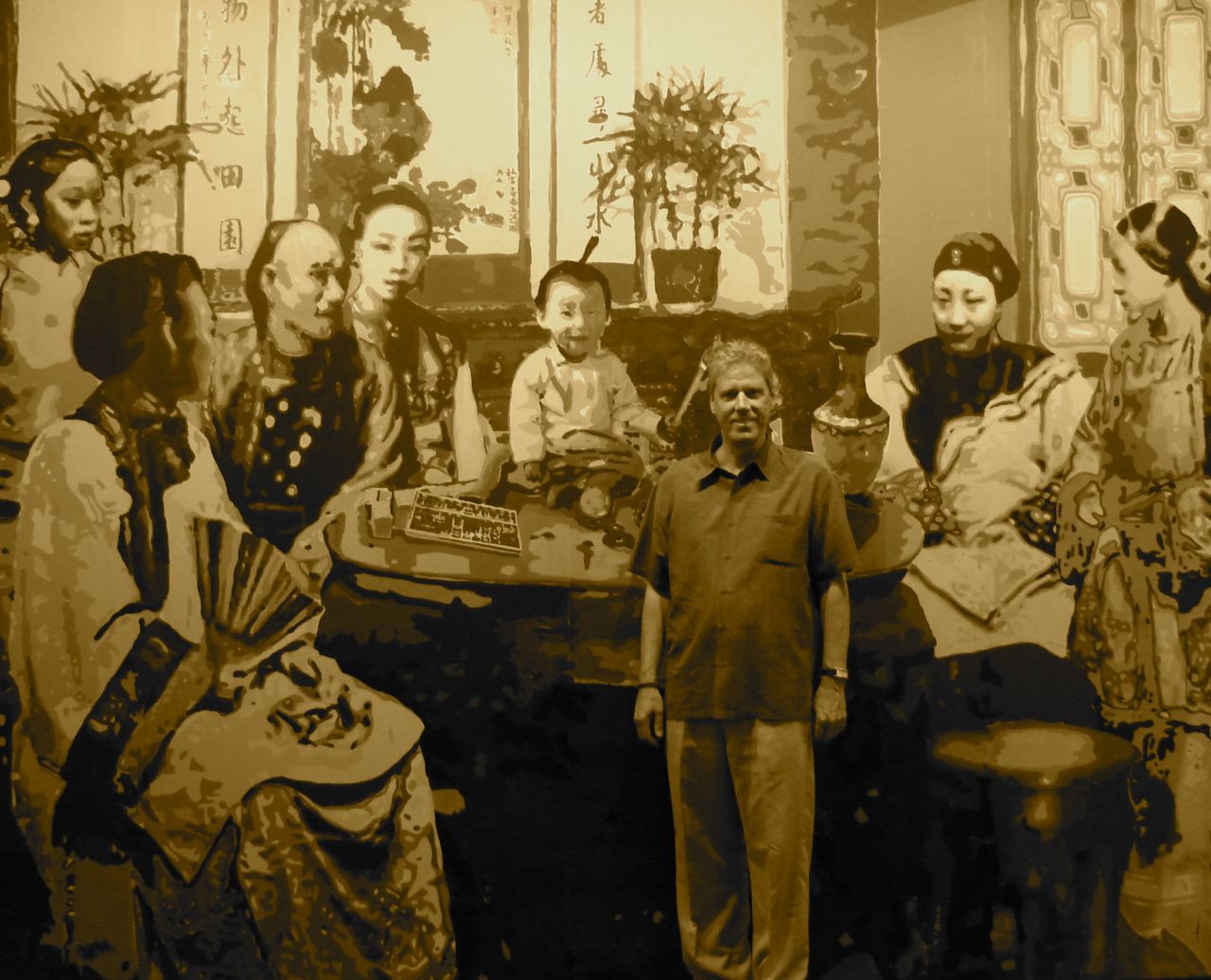
6 Pearls of Wisdom for Visiting China
Thanks for subscribing to Journeys With Stephen! As another show of appreciation, here are some informative articles about China, accompanied by relevant photographs.
These 6 essays and their pictures are intended to give you a little insight into what is one of the most fascinating countries on the planet. Following 5,000 years of prosperity and one rocky 20th century, China has emerged as a powerful, yet still developing nation.
There are in-numerous differences between China and the West that the first-time visitor and even returning traveler should be aware of. I will share with you my personal impressions, formed from nearly a decade of living, working, and traveling in China.
Please enjoy these “pearls of wisdom” and come back to the site for future stories and photographs!
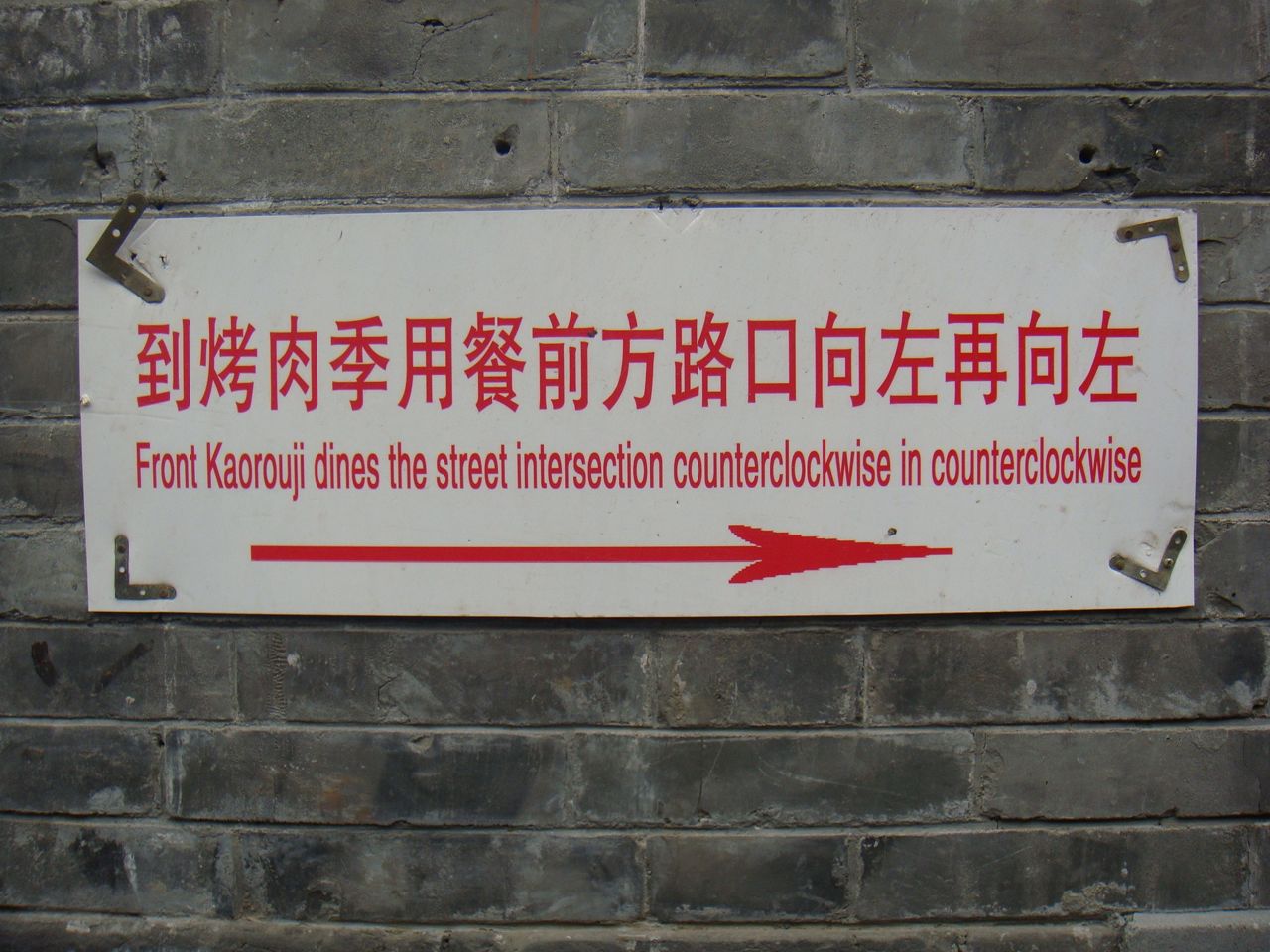
#1. Welcome to China, where you can’t speak, read or write
It was one of my early trips to China, and the task was pretty straightforward: walk from the hotel to the subway and ride it to our company’s office.
I already knew that one couldn’t take a taxi in Beijing without being able to speak Chinese. Foreigners usually had to have someone write down the destination address in Chinese characters on a slip of paper to hand to the taxi driver. The drivers don’t read maps either, so pointing to a spot on one is fruitless. If they get lost, they call a buddy for help. Nowadays there are apps to show the address in Chinese from your phone – but even the app isn’t always correct, as streets keep changing. I know; I have used an app and been taken to the wrong place more than once.
Fear not, I had been studying conversational Mandarin for a few months and could master some simple sentences in case I got lost. Which I did. My map, entirely in Chinese characters (which I don’t read), indicated the subway station should be close by, but I saw no signs. Of course the street signs are also only in Chinese, but I was looking for the little blue subway logo. Where was it?
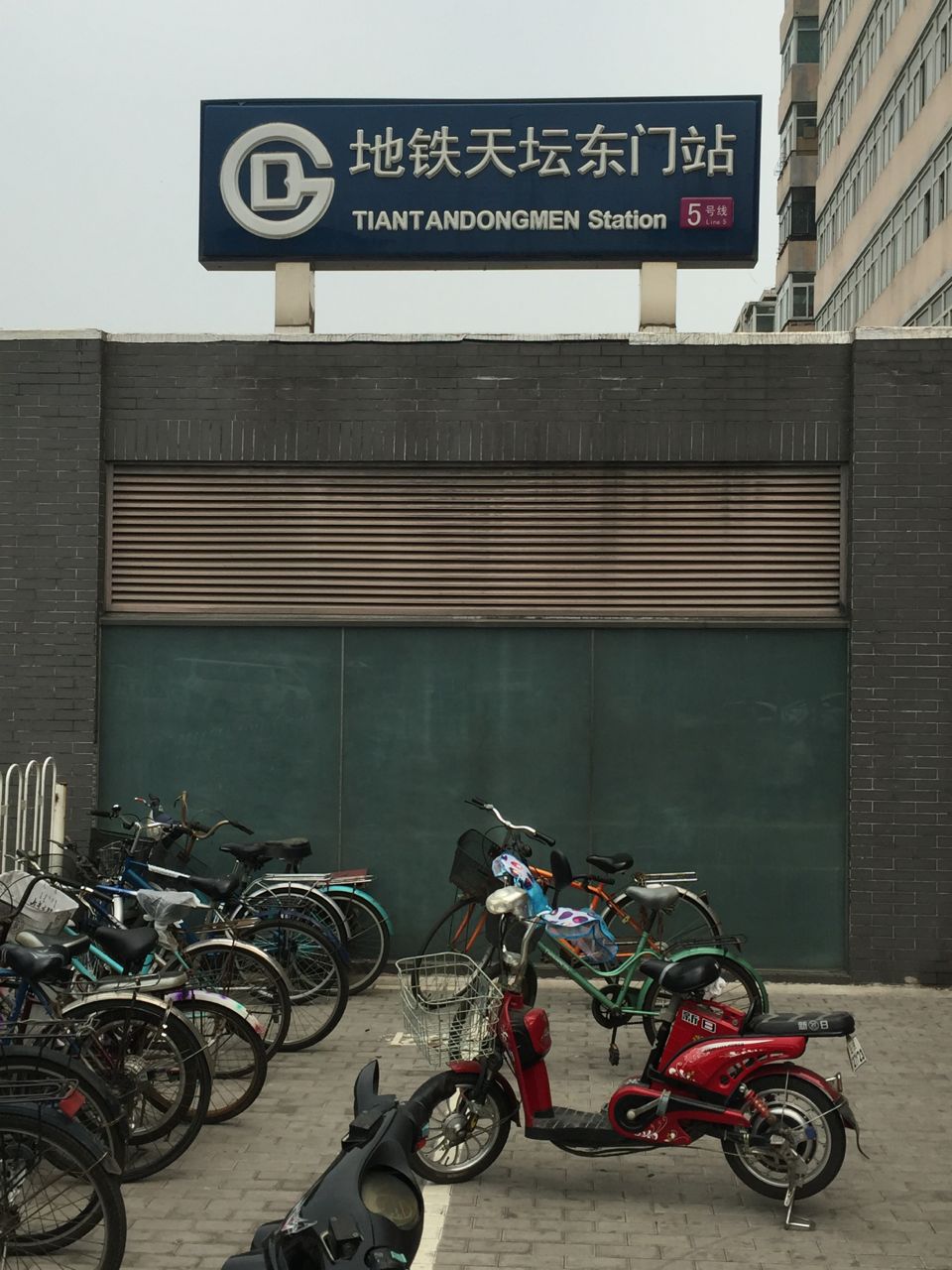
As the mid-morning sun beat down on me in my dark suit and no longer crisp white shirt, I sought the answer. I would duck into the nearby air-conditioned department store and simply ask someone. And I knew how to say it! “Laojia, ditian zhan zai nar?” Literally, “Excuse me, subway station is where?”
As expected, none of the sales clerks spoke English. What I didn’t expect was that no one understood a word I was saying. Should I speak more slowly? Louder? Use hand gestures?
Well folks, the culture shock we feel going to China versus most tourist spots in the world, is that you are truly illiterate. You can’t speak, listen, read, or write. And English really isn’t a second language, like in much of the Western world. Yes, kids study English in school and have to pass a test to get into college. But the emphasis is on reading and writing, and of course they forget even a lot of that over time. The average person simply does not speak a word of English.
The conversational difficulties are exacerbated by the Chinese tonal system. Every syllable essentially can be pronounced up to 4 different ways, yielding 4 different meanings. Hey, not that English is easy. Try saying this out loud: “Put some clothes on that animal. I can’t bear to see a bare bear!” We understand it because the words are in context.
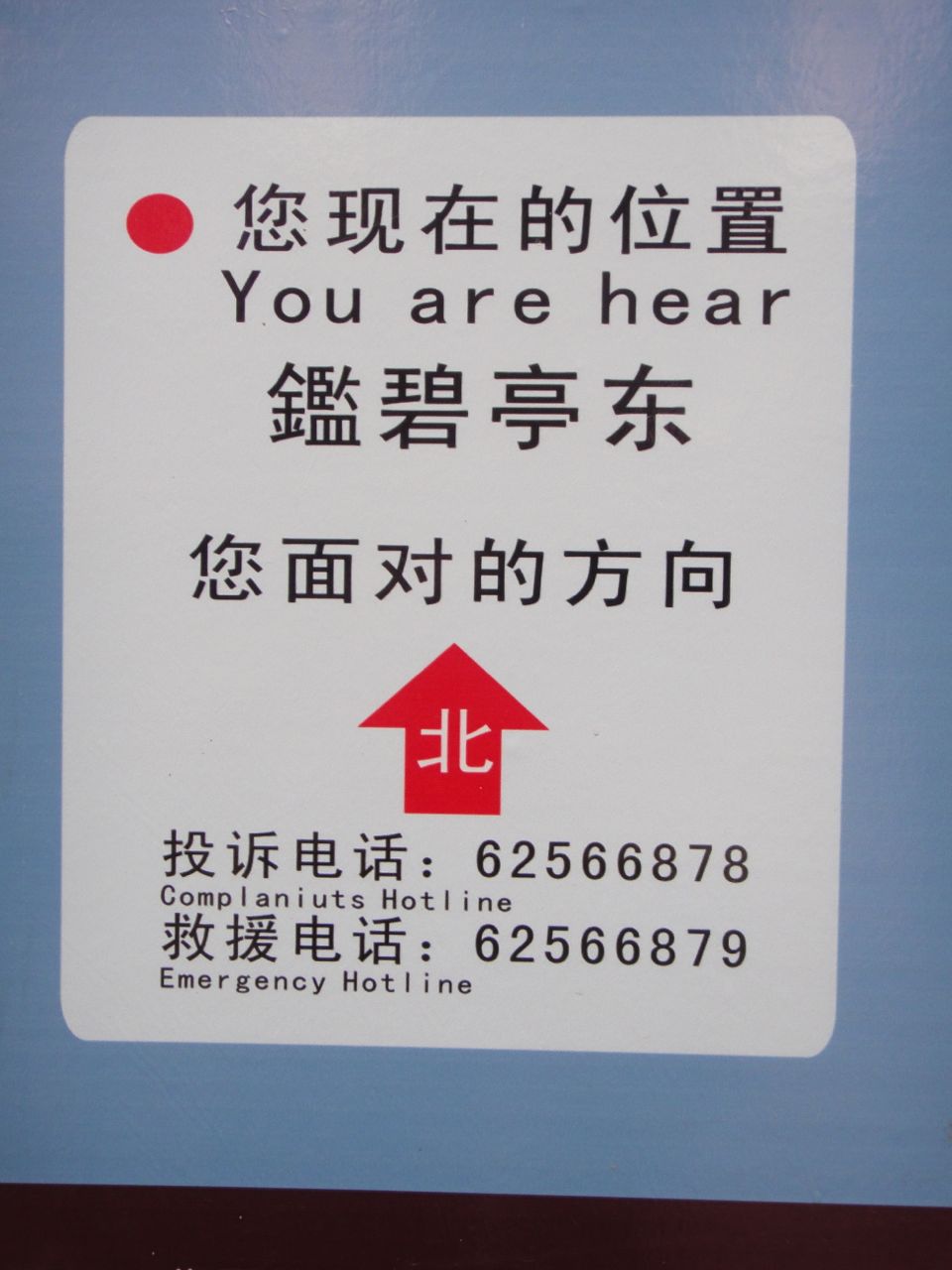
Here I was in a department store, where they expected me to be asking for men’s clothing or shoes, and instead I was saying something else. Maybe the puzzled looks were just over a Caucasian speaking Chinese.
Finally, a customer who spoke some English interpreted my request. “Oh, you mean ditian (subway).” “Yeah, that’s what I’ve been saying.” It turns out that one of the many station entrances was less than 50 meters out the door. They pointed me in the right direction.
I’m not alone in discovering this culture shock. Deborah Fallows has written a fabulous book about it, “Dreaming in Chinese.” My favorite story was of her walking into a Taco Bell and asking if they have dabao (takeout). They were confused to have a lady asking for a “big hug” or a newspaper or if there was a hail storm outside. Oh well.
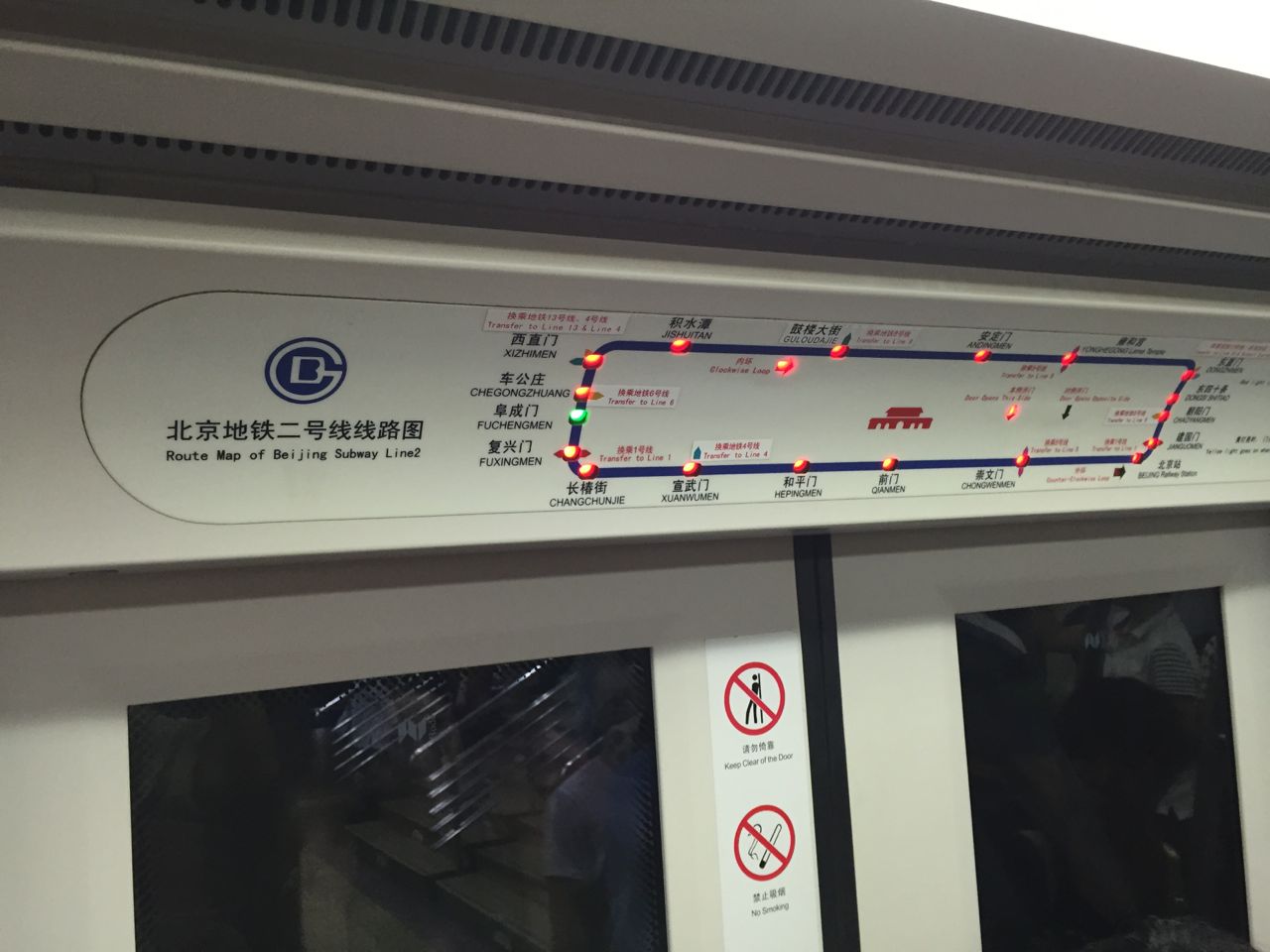
I don’t mean to scare the first-time visitor. Actually, there is an alphabet-based equivalent to the Chinese characters, called pinyin, which helps. I wrote the Chinese sentence above, “Laojia, ditian zhan zai nar?” using pinyin. The subways list every stop in pinyin and the nice lady on the speaker says them aloud in an English sentence, “Next stop Fuxingmen.” They are not hard to maneuver.
Even on an escalator you might hear the recorded voice say in English, “Please hold the handrail and get off” (in case you don’t know how to ride an escalator).
Big hotels usually have English-speaking staff who can help in numerous ways.
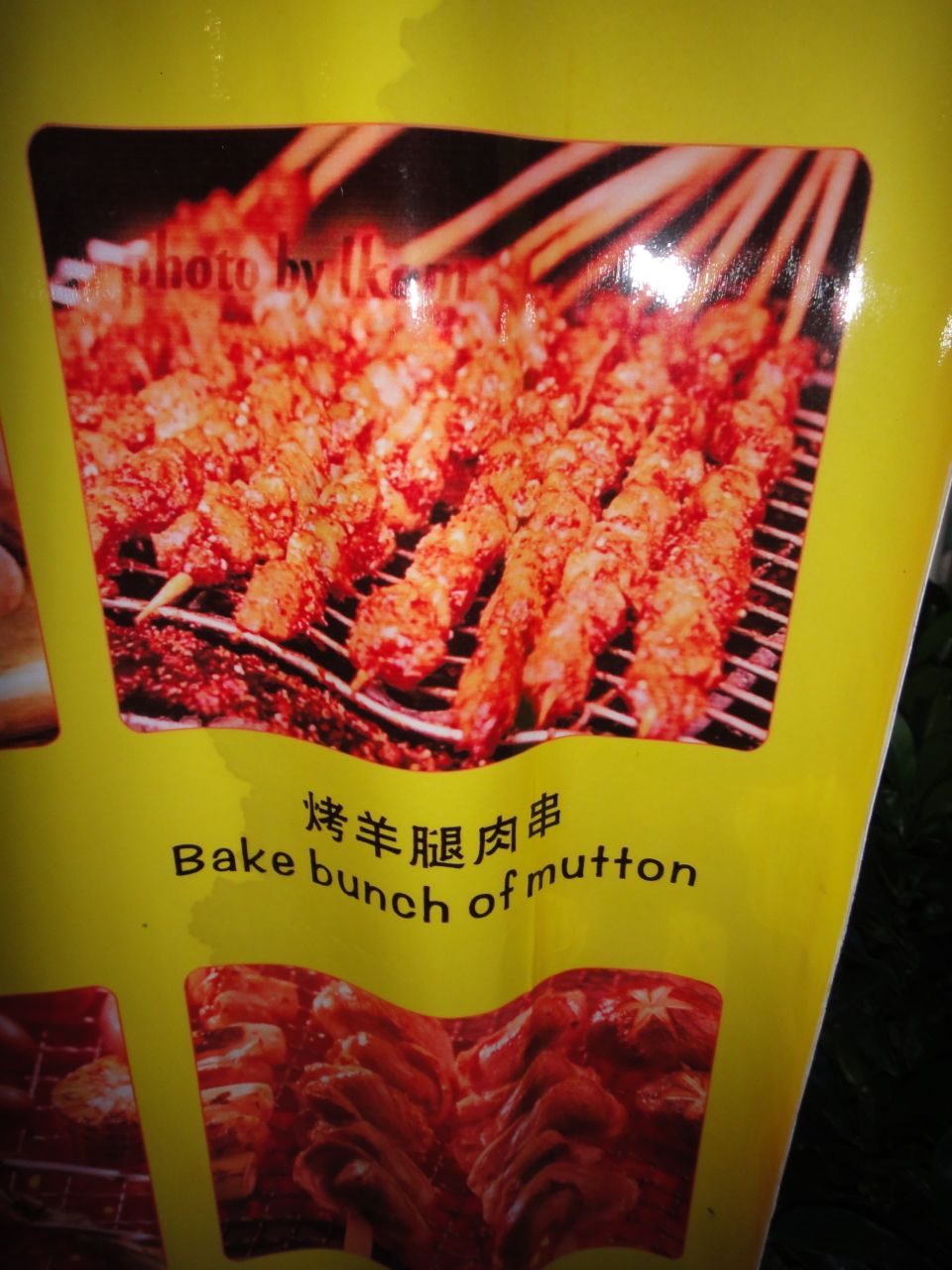
And menus often have pictures, which we know are worth a thousand words that we can’t read. That’s a real help in China that I wish more countries would adopt. One time in Paris I thought I was ordering a veal chop in French, but wound up with a plate of calves’ brains. A picture would have helped a lot.
So, go with it. It’s part of the adventure.
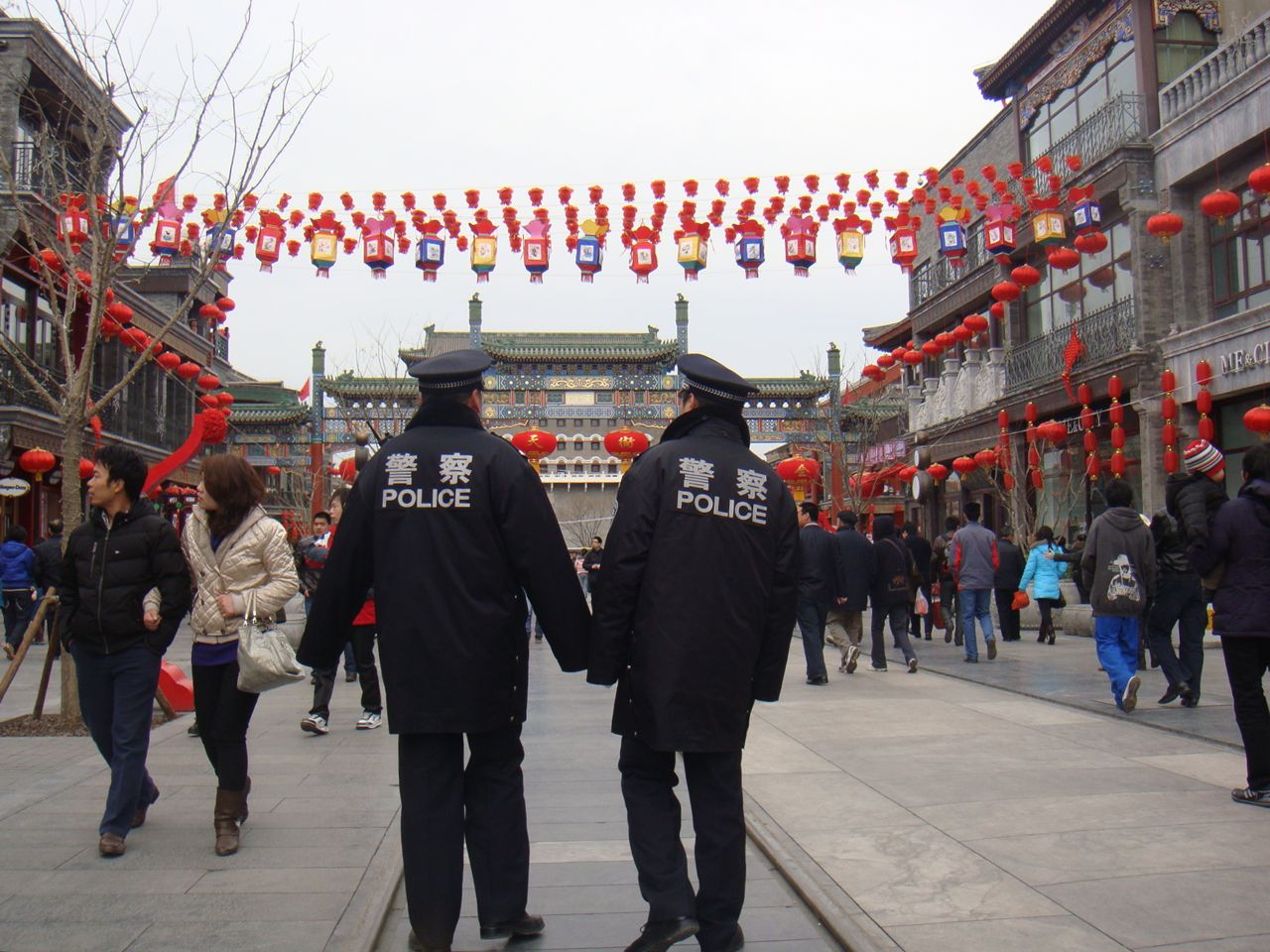
#2. I feel safer in China’s cities than most other places on the planet
It’s 9:30 at night and children are playing with kites and blowing bubbles in the big courtyard known as “The Place,” underneath one of the world’s largest overhead LED screens. The screen features real-time text messages from shoppers and diners frequenting this retail plaza. No one is worried. By contrast, you never see a child playing at night under the LED screen in downtown Las Vegas.
It’s 10:00 at night and little kids are still rollerblading between makeshift cones on the broad swath of cement that leads to the Seasons Place Shopping Centre. Their parents or grandparents are chatting, only occasionally glancing in the direction of the children. It is getting late, but the fresh air is still appealing. No one wants to leave.
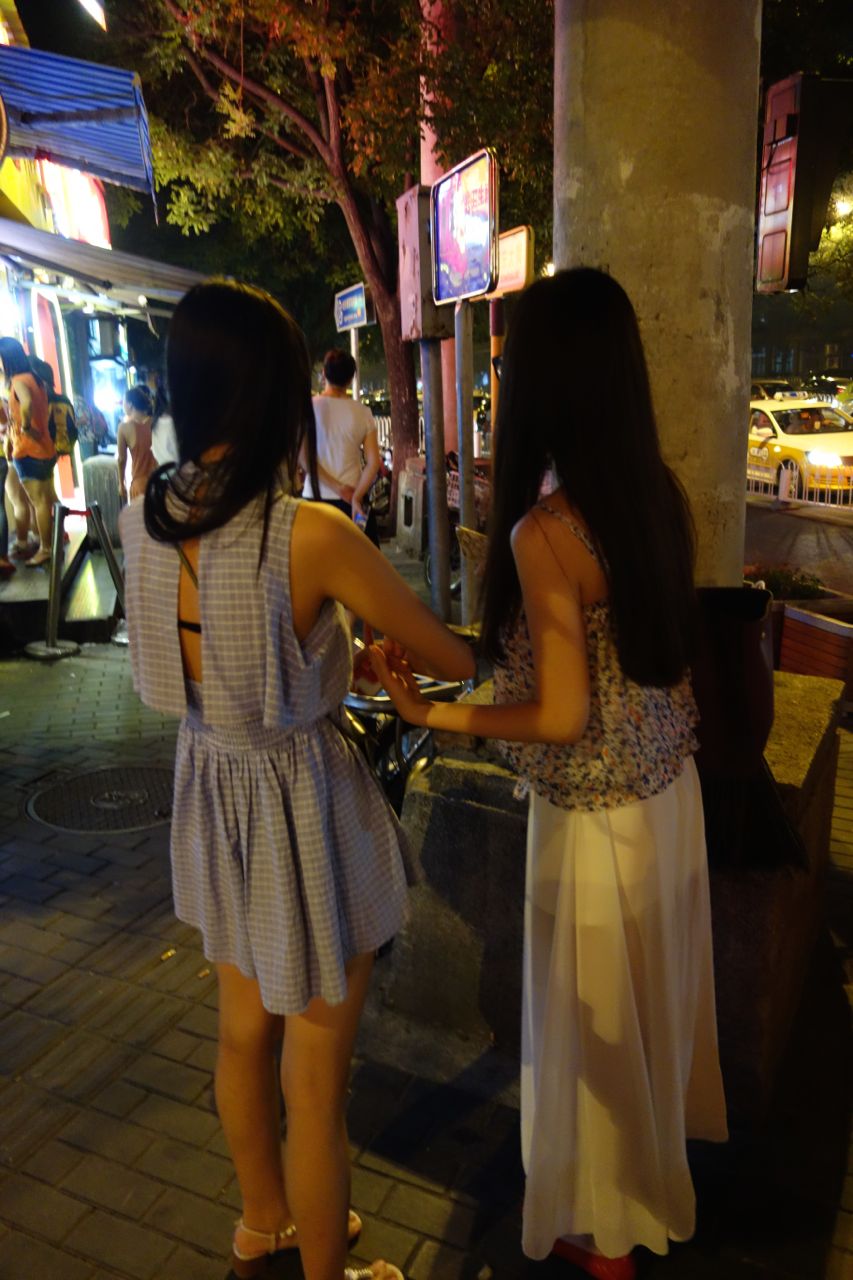
It’s 10:30 on a Tuesday night in Beijing. I am walking to the Nanluoguxiang subway station. In front of me are two teenage girls, walking hand-in-hand, talking and laughing. How come they aren’t afraid to be out alone in the city so late at night?
I could list a hundred of these Beijing stories, which I think are being repeated in cities across China. The message is, “we feel safe in this city.” In a country where guns are totally illegal and violent crime is low, I can safely say I feel safer than anywhere else on the planet.
As a tourist, you shouldn’t be stupid. You should take basic precautions. But ask me if I would rather walk the streets after dark in Beijing versus Chicago or New York or Rio – well, the answer is easy.
#3. Why my hotel elevator has no 4th, 13th, 14th floors
Ask the average American why 13 is considered an unlucky number and they probably couldn’t tell you. (It is likely traced back to Jesus having 13 Apostles. The 13th, Judas, betrayed him, leading to his crucifixion). There are lots of other supporting theories, but the end result is a number that people in the West for whatever reason don’t like. People would rather not stay on the 13th floor, for example.
The Chinese don’t care one way or another about 13, but the number 4 is different story. There are 4 tones in Mandarin, so depending on how you say “ma,” for example, you could mean horse or grandmother. Be careful there! Likewise, depending on the tone you use to say “si,” you could mean the number 4 or death.
The Chinese have taken this to extremes. Because of the connotation with death, nobody would want a house address that is 444 or even a lot of fours in a phone number, license plate, etc. At least there is some logic to it.
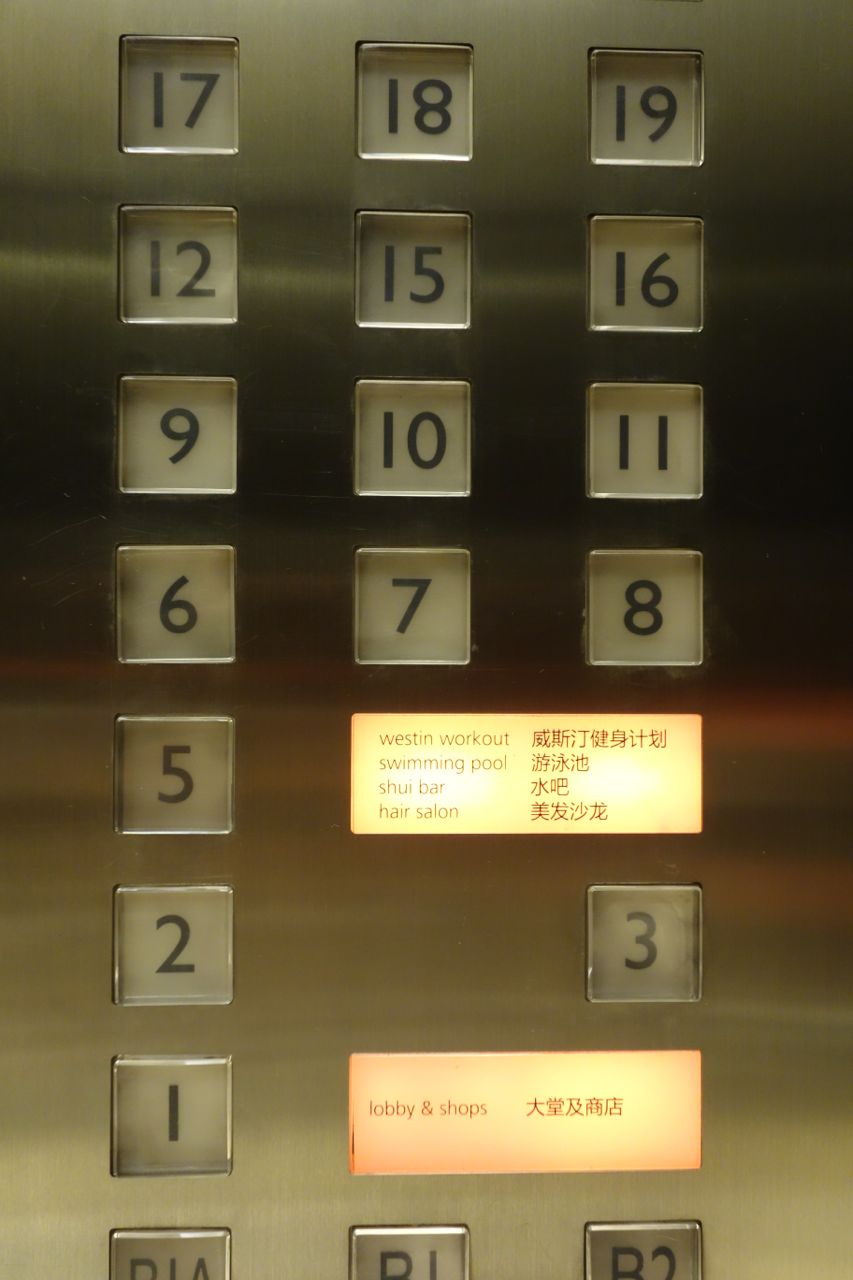
A hotel in China that serves both Western and Chinese guests is therefore likely to skip floor 13 and any floor that ends in 4.
Conversely, the number 8 is considered lucky. The same reasoning applies. The word for 8 is “ba,” which sounds a lot like “fa,” the word for fortune. The Chinese have also taken this to extremes. One high profile example: The Beijing Olympics started on 08/08/08 at 8 seconds after 8:08pm.
I once was traveling with a colleague who was happy to get a room on floor 28. Then I explained that he should do the math. With no 4, 13, 14 or 24, he was really staying an unlucky 24 floors up.
#4. Be prepared to carry cash and smartphone apps
There are two parts to this story. One is the slow adoption of a credit system in China. As few as 15 years ago most restaurants accepted cash only, in lieu of credit cards. That has changed rapidly, but there is still a proliferation of small retail establishments that do not take credit cards. Many skipped that stage and moved to accepting payments directly from Chinese smartphone apps, such as AliPay.
The second part of the story is the currency itself. The largest bill circulated in China is the 100 RMB note, worth roughly 16 U.S. Dollars or 10 British Pounds. A woman carrying 10,000 RMB in her purse (not a highly unusual sum) would have a bundle more than a half inch thick – way too big for the average wallet.
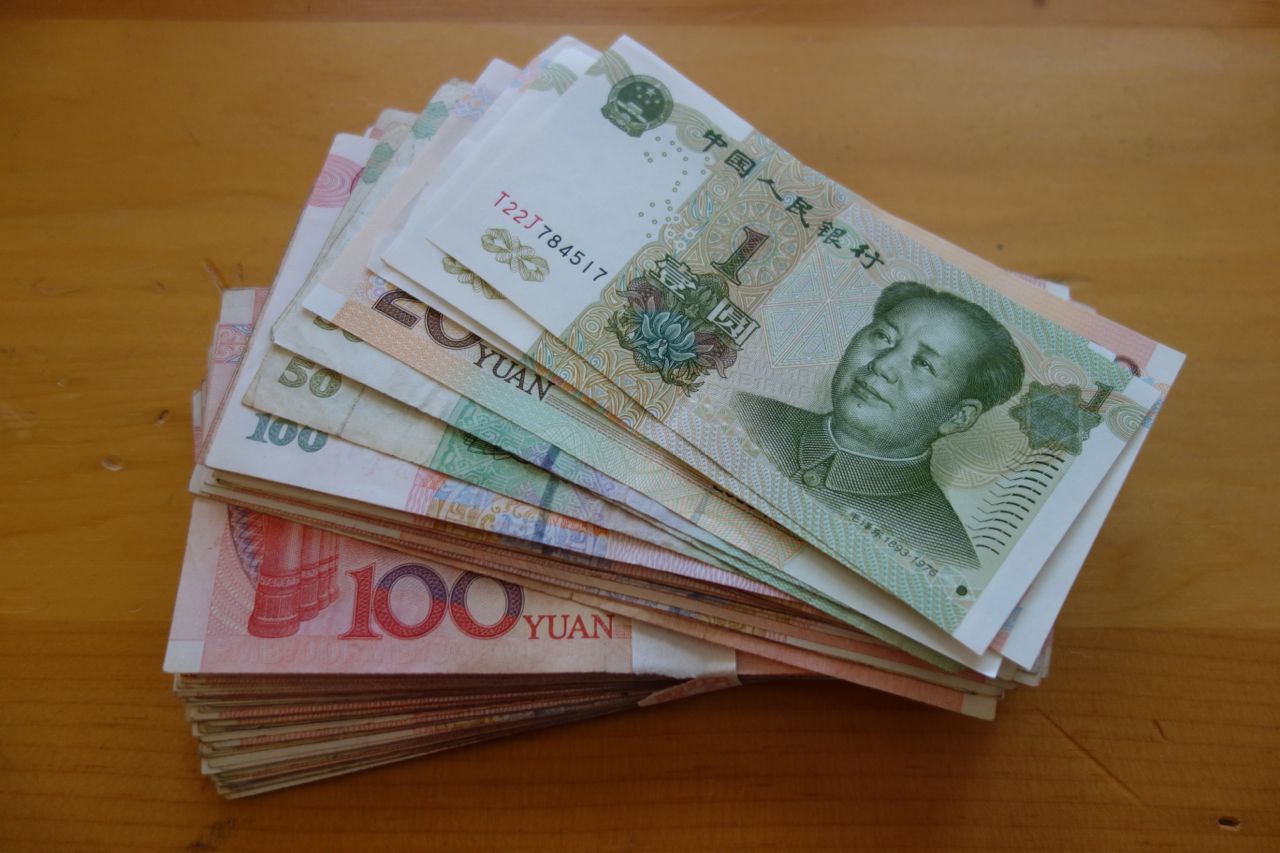
“The buck stops here.” While we’re on the topic of money, there are many names for U.S. currency – dollars, bucks, greenbacks. There are also several for Chinese money – Remminbi (or RMB for short), yuan (CNY) and kuai (pronounced kweye).
And yes, there are coins. But with the 1-RMB paper bill worth only about U.S. 16 cents, you can be assured that the coins the nice cashier gives you back as change at the grocery store are pretty much worthless.
One interesting example of the slow adoption of a Western-like credit system could be seen in auto loans. Only a few years ago, in order to be eligible to get a car loan from a bank, one had to provide proof that he had enough cash in the bank to pay for the car. It sort of defeats the purpose. It was not unusual to see someone with a trunk full of money show up at the dealership to complete the purchase. To buy a Mercedes meant carrying in something like a half million RMB or 5,000 paper bills!
So much cash means that hotel front desks, for example, have bill counting machines, to make sure there is no human error in handling that much paper currency.
Some good news for tourists to China: The exchange rate is regulated by the government and should be the same no matter whether you get your RMB from the hotel or a bank. Just remember to get some. It pays (literally) to carry cash.
#5. Why should you stay home during Chinese New Year?
My China friends know this already. In the world of travel there are certain things you try to avoid. Americans try not to visit Disneyland over the Christmas holidays when the park is jammed and not even close to being the Happiest Place on Earth. Now the world is learning to proceed with caution during a week of the year that is important to the Chinese.
I’m talking about Chinese New Year (also known as Chunyun or Spring Festival). Chinese New Year corresponds to the Lunar New Year, so the time varies. The holiday can range from late January to mid-February. People often have to work the weekend before or after, but the whole country takes pretty much shuts down for a week or more.
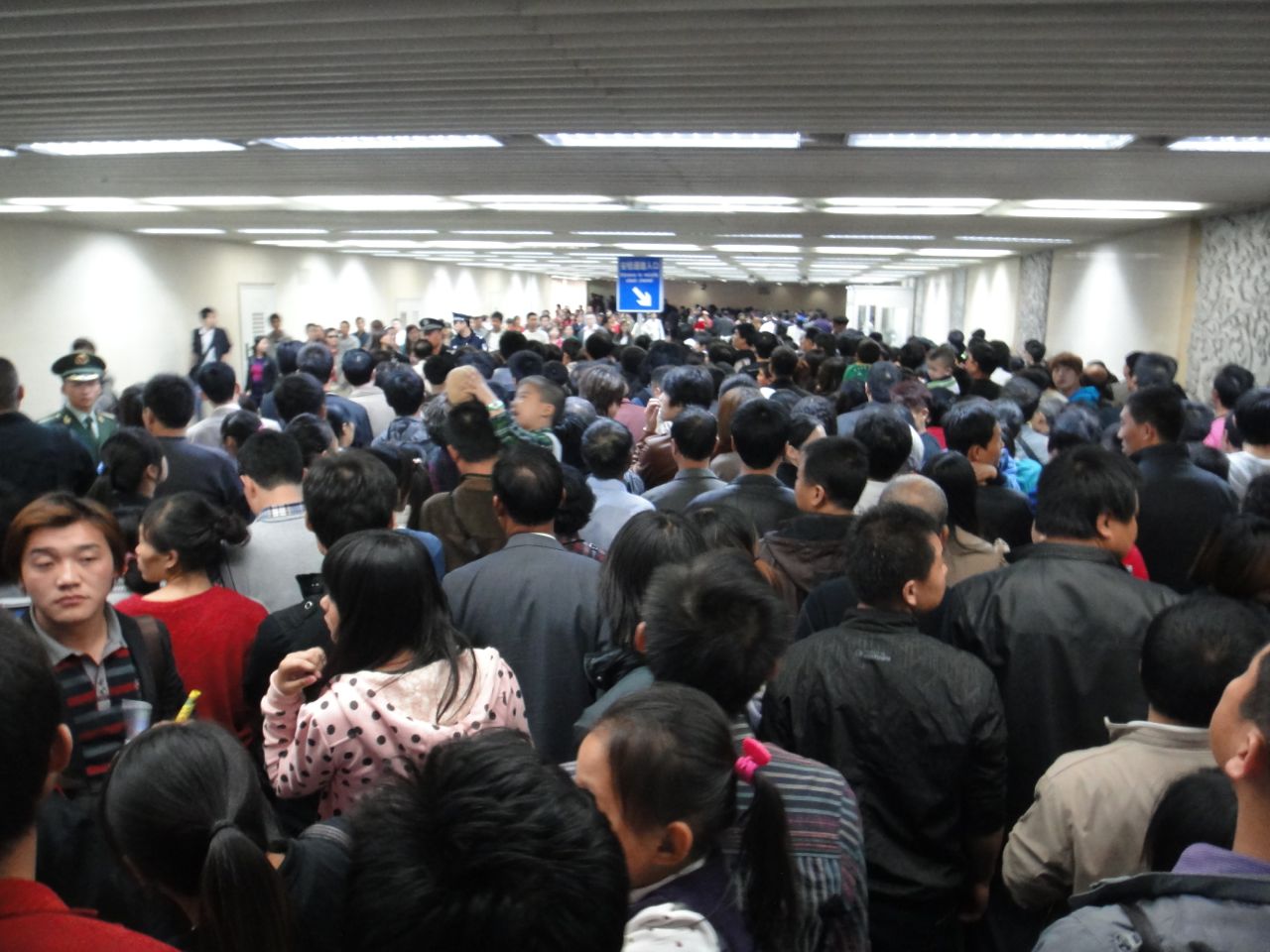
So what’s the big deal? Well, each year, more than 7 million Chinese travel internationally during the Chinese New Year week. That’s the equivalent of every man, woman and child in the state of Minnesota getting on a plane and leaving the United States all at once!
The United States and Europe are two of the biggest benefactors of this invasion, but Japan and the rest of Asia are affected as well. This year, I checked out the availability of rooms at upscale hotels and timeshares on Maui and found most to be sold out more than a month in advance. All those properties were available the week before and week after Spring Festival.
I remember reading TripAdvisor reviews for a hotel I was considering in Chiang Mai, Thailand. One somewhat negative review complained about how the hotel was “overrun with guests from China.” I looked at the date of the review. Sure enough, the reviewer (from the U.K.) had chosen to stay there during Chinese Spring Festival. They simply didn’t know it.
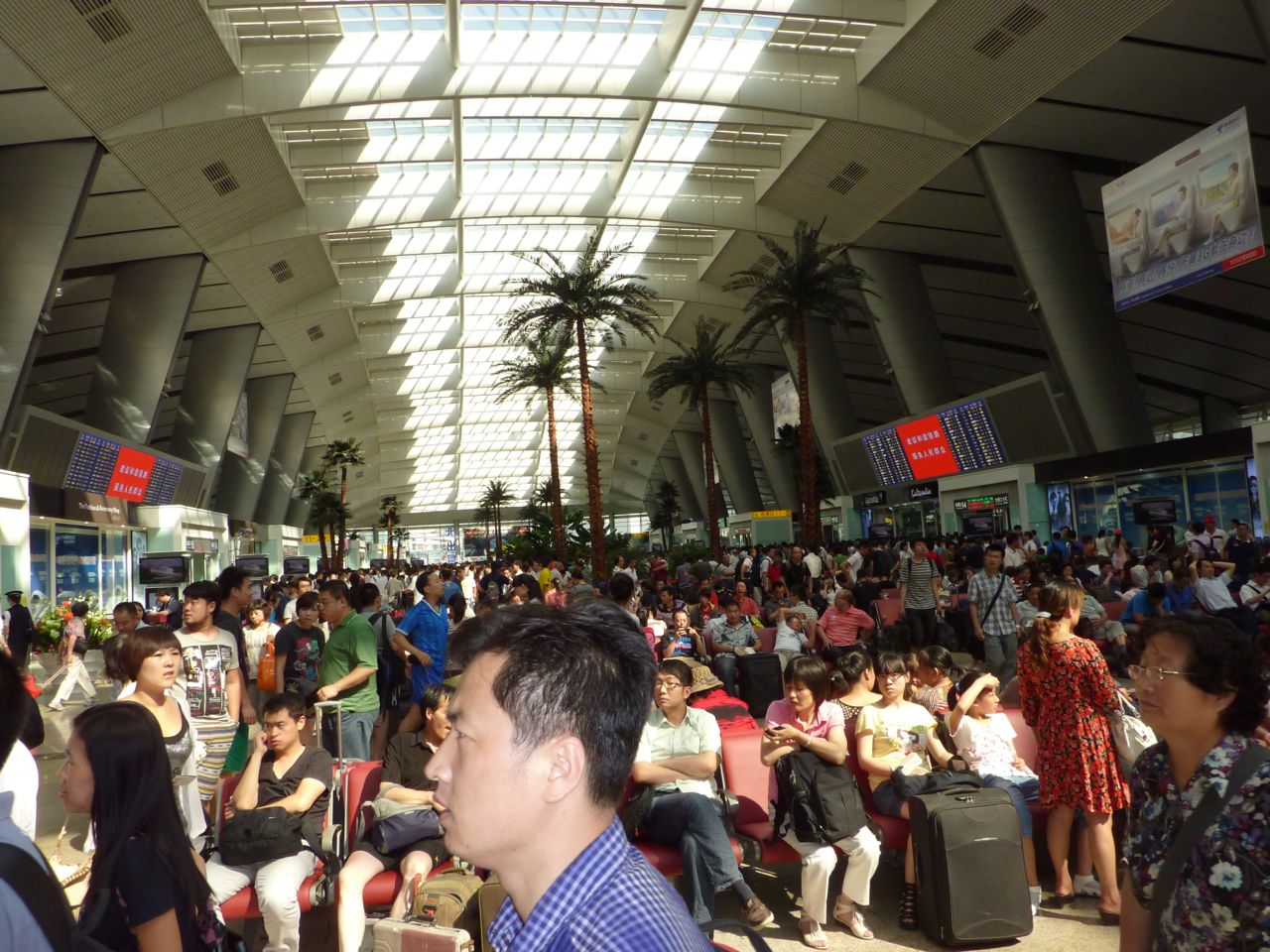
I also don’t advise people to travel to China during Chinese New Year. It is estimated that more than 1.6 billion (yes, billion) domestic visits take place during that period. In the U.S., think about how tenuous travel can be the day before Thanksgiving. Now, multiply that times 10. For a week.
The simple reason for this is because, in a country with hundreds of millions of people working away from their hometowns, this is the one time each year that they all go home. You don’t want to be anywhere near the gridlock of a train station or airport or major highway – well, you get my point.
My advice is to pay attention to the major holidays, not only in the country you are traveling to, but also of the big traveling countries. In 2018, an astounding 150 million Chinese made overseas trips. The Chinese are now reported to be the biggest spenders on international travel. As their economy grows and more become wealthy, they fall right into our sweet spot of Upscale Travel on a Budget.
Good news for the travel industry. Cautious news for the traveling public.
#6. China does infrastructure things amazingly well
Over the last decade, as I hosted numerous Americans visiting Beijing for the first time, there was always the same initial reaction: “I’m surprised by how modern and developed this city is.” Mercedes have replaced bicycles, high-rise apartments have replaced old courtyards, and glistening upscale malls stand where there were once street markets. It’s part of a rush to modernize, some would say to a fault.
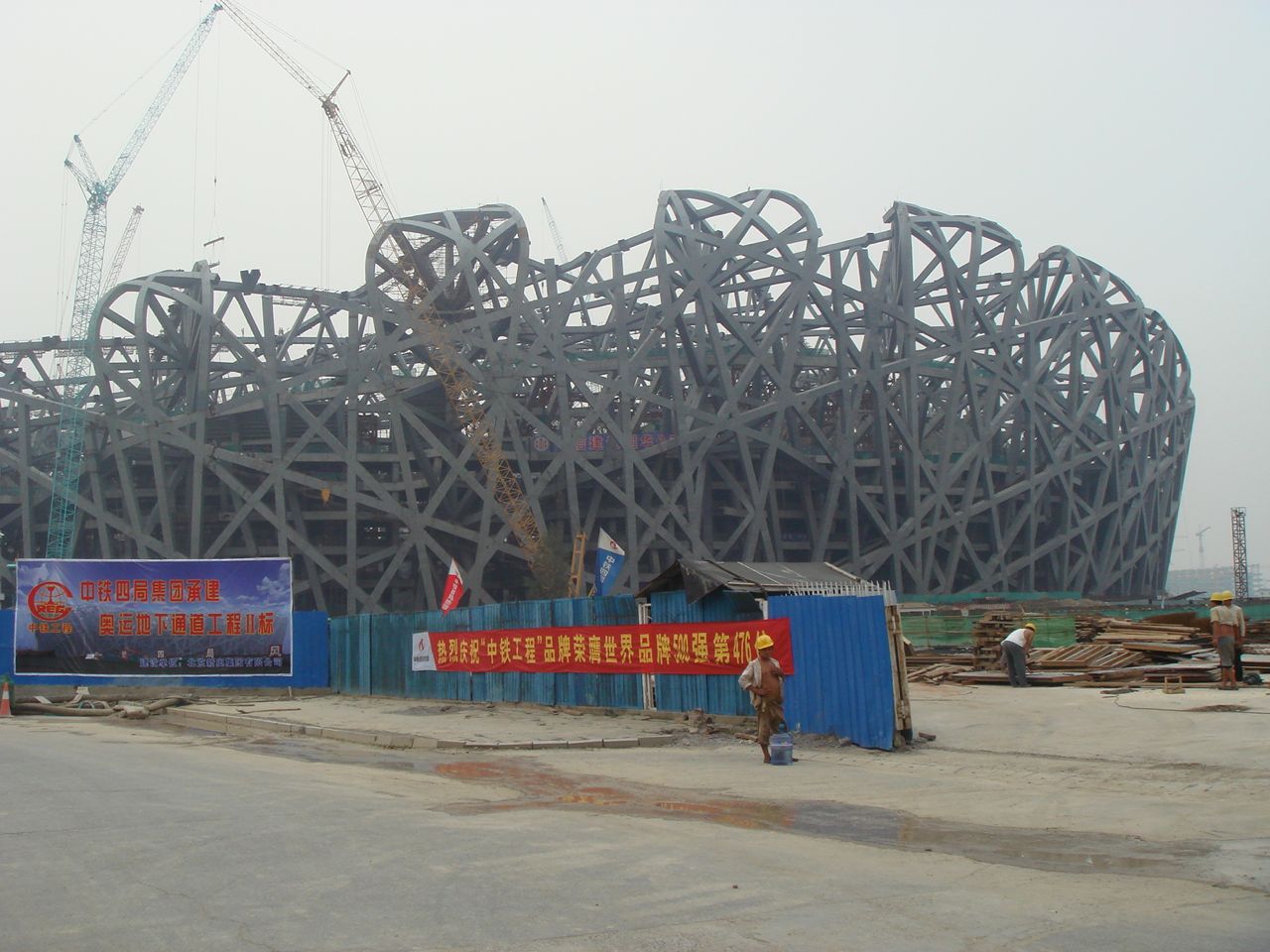
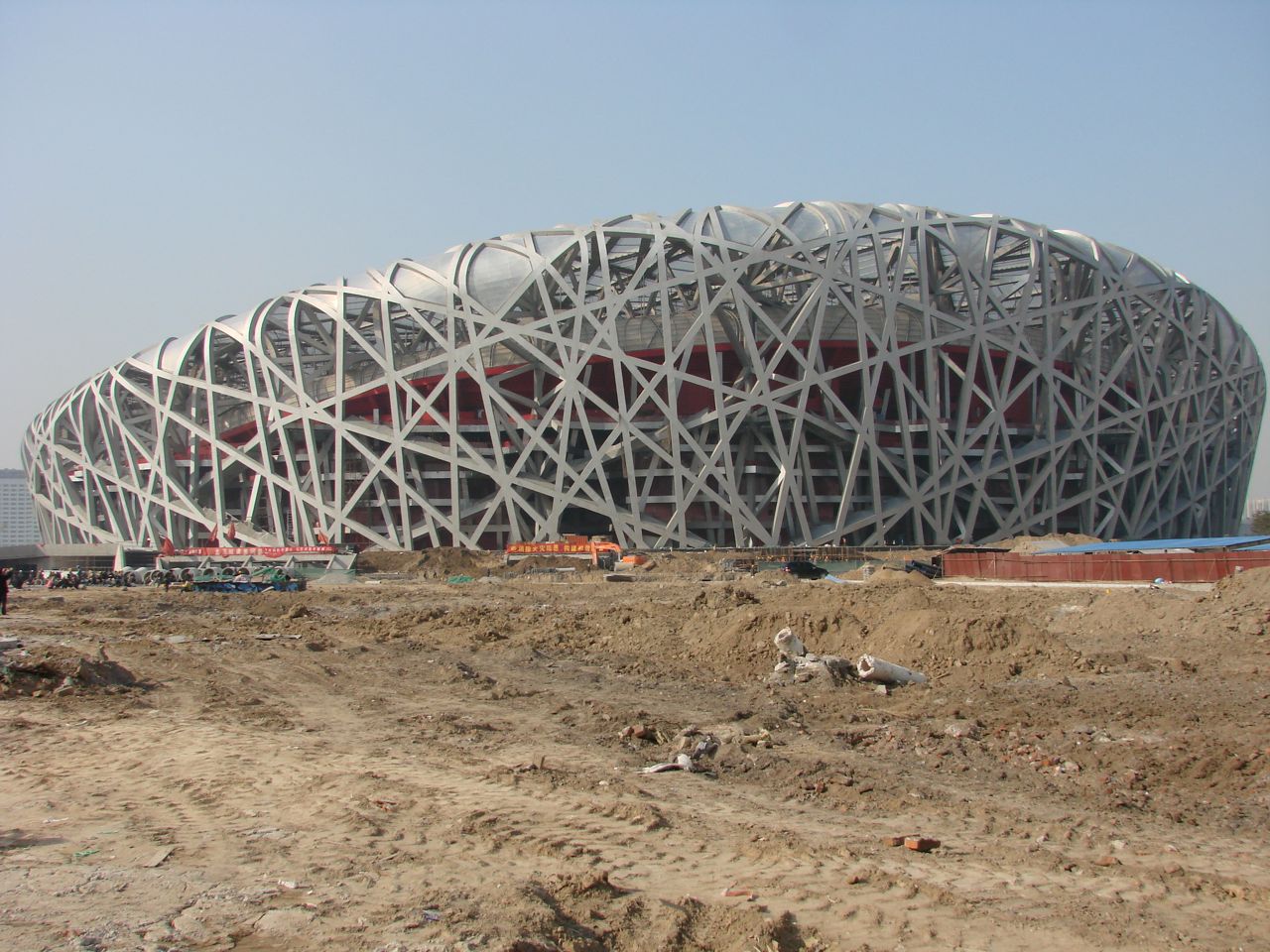
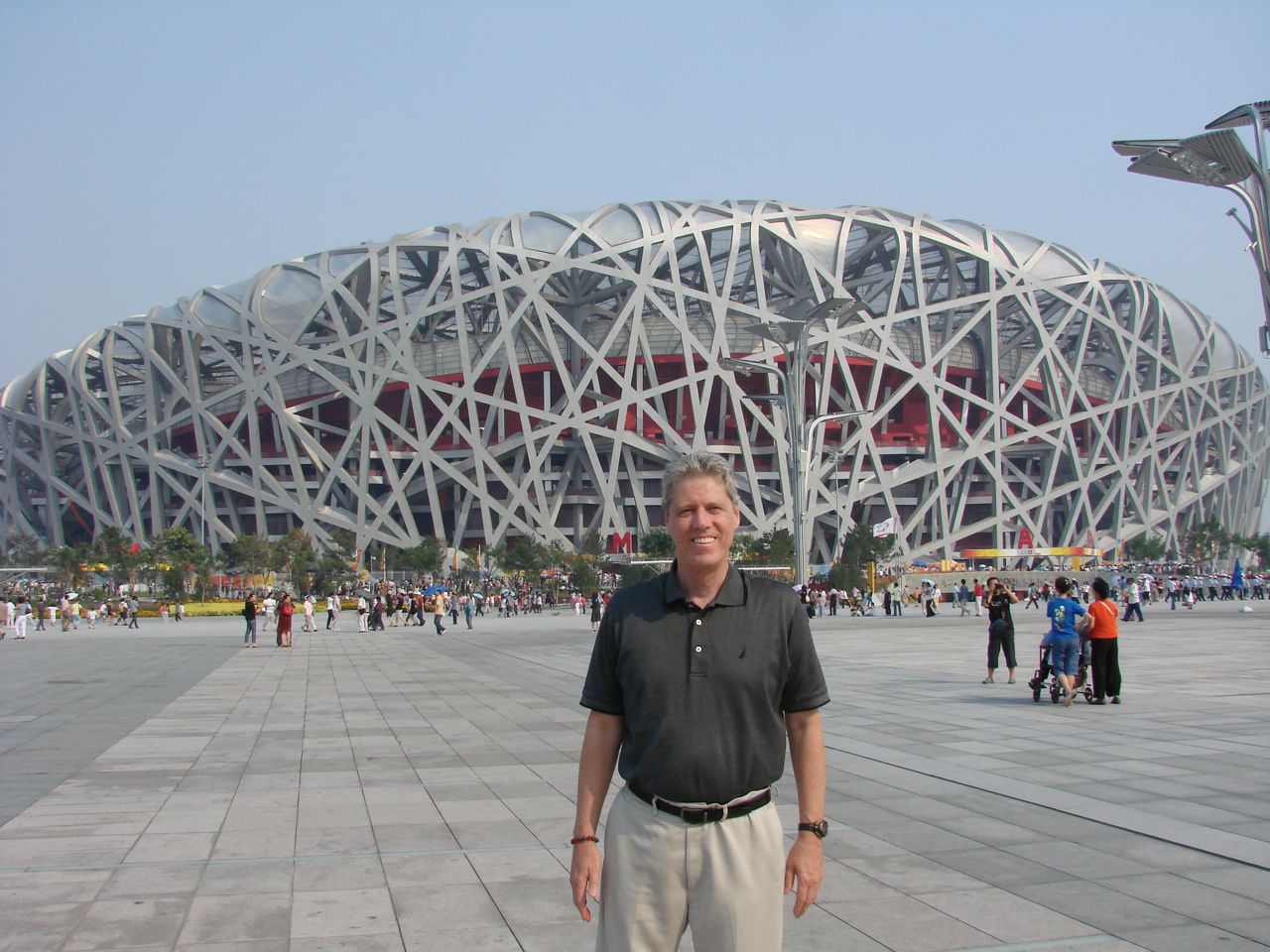
I personally watched an empty field in 2005 transform into a strange bird’s nest-like structure in 2006, take shape in 2007 and miraculously, become the Olympic Stadium in time for the 2008 Beijing Olympics.
China is well on its way to building a national superhighway system to surpass the interstate system that transformed the U.S. back in the 1950s. It is developing a high-speed rail system to surpass Japan’s. When an airport terminal becomes 20 years old, such as Shenzhen’s, it’s time to add a $1.4 billion new one.
One of the upsides of a command economy, flush with people and money, is the ability to do infrastructure really fast. With the pending Olympics in 2008, Beijing decided it needed to vastly improve the airport to give a great first impression to international guests. Terminal 3, the second-largest terminal in the world, was conceived, architected, built, and in operation in just over a year. That’s less time than it took to complete the environmental study for Heathrow’s British Airways terminal.
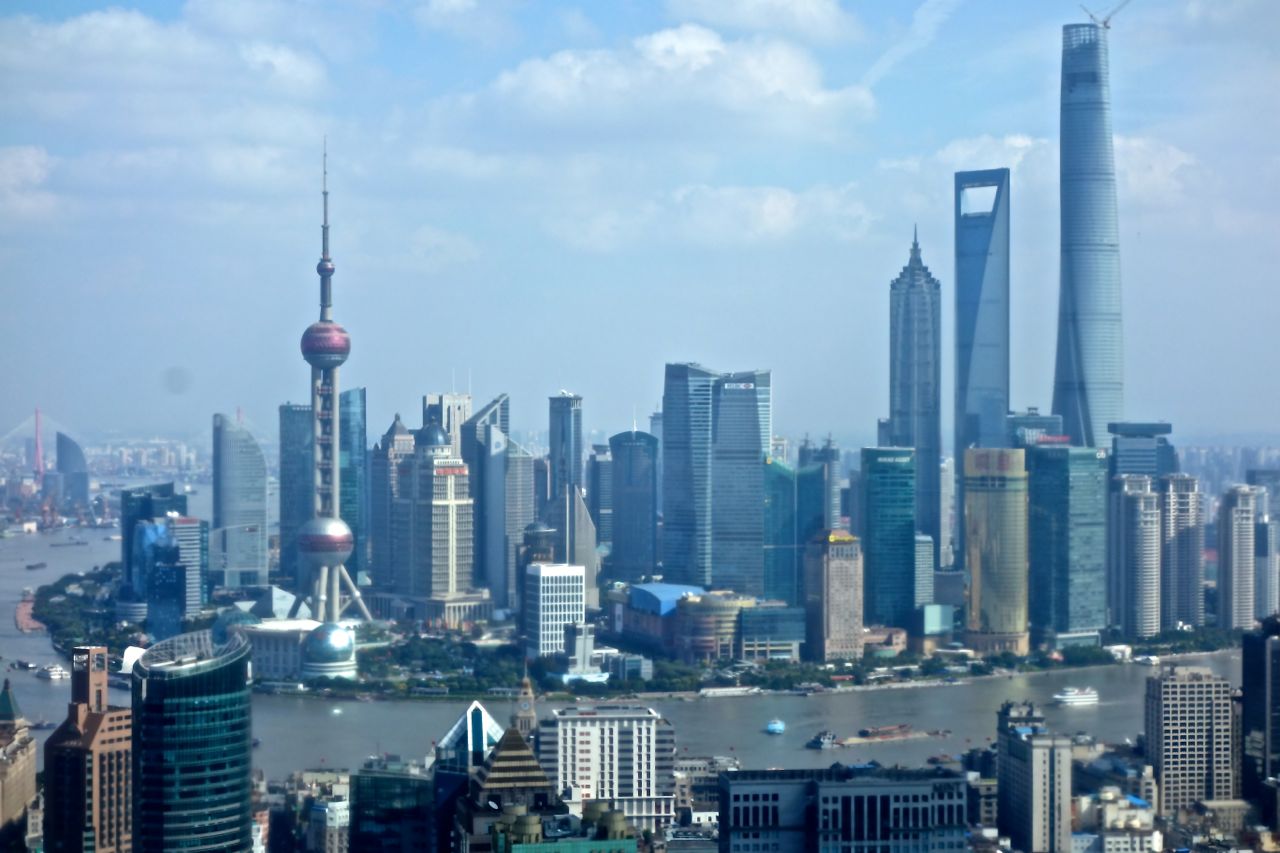
Of course, this is the country that built the Great Wall and the controversial 3 Gorges Dam, so nothing should surprise visitors anymore. And yet, even I look at the buildings on the Pudong side of the river in Shanghai with amazement. What was rice paddies not that long ago is today one of the world’s greatest skylines.
Here’s another way of looking at infrastructure in Shanghai. In this century, Shanghai has been building more skyscrapers than Manhattan has skyscrapers. Well, there needs to be places for 25 million people to live and work.
So, don’t be surprised by a China that, for better or worse, has rushed into the 21st century. Increasingly worrying decisions regarding privacy and the ongoing effects of unchecked pollution aside, this a country that is never dull.
This is just a snapshot of stories about China. I have made countless trips there for pleasure and work over the last decade, and I’m still experiencing new discoveries and making more memories. I have taken more than 10,000 photographs and lots of videos too.
Stay tuned for posts on China and the rest of the world!