Tag: China

  • Still looking for Labubu? Try Taipei and Beijing

    Still looking for Labubu? Try Taipei and Beijing

    [et_pb_section fb_built=”1″ _builder_version=”4.27.4″ _module_preset=”default” global_colors_info=”{}”][et_pb_row column_structure=”3_4,1_4″ _builder_version=”4.27.4″ _module_preset=”default” global_colors_info=”{}”][et_pb_column type=”3_4″ _builder_version=”4.27.4″ _module_preset=”default” global_colors_info=”{}”][et_pb_text _builder_version=”4.27.4″ _module_preset=”default” global_colors_info=”{}”]

    Like most adults, I had no clue what a Labubu was until being enlightened by my daughter, who teaches middle school kids. I learned that San Francisco was sold out, and if I was making a trip to Asia, it was to become the journey to find Labubu. Next stop, Taipei and Beijing. And so, what follows are the trials and tribulations of seeking the latest craze.

    [/et_pb_text][et_pb_image src=”https://journeyswithstephen.com/wp-content/uploads/2025/09/Stephen-Henson-Charlotte-Ye-Pop-Land-Beijing.jpeg” alt=”Stephen Henson Charlotte Ye Pop Land Beijing” title_text=”Stephen Henson Charlotte Ye Pop Land Beijing” admin_label=”Stephen Henson Charlotte Ye Pop Land Beijing” _builder_version=”4.27.4″ _module_preset=”default” global_colors_info=”{}”][/et_pb_image][et_pb_text _builder_version=”4.27.4″ _module_preset=”default” global_colors_info=”{}”]

    I have lived through silly putty, pet rocks, cabbage patch kids, beanie babies, and even Tickle Me Elmo. The industry produces a famous toy nearly every year. But I was surprised to hear that Labubu had already surpassed Hello Kitty in popularity. Where are you, Barbie? Confirming that stores in the U.S., in general, were sold out, as was the ubiquitous Internet, we set off on our great exploration in Asia.

    [/et_pb_text][et_pb_image src=”https://journeyswithstephen.com/wp-content/uploads/2025/09/Pop-Mart-store-Taipei.jpeg” alt=”Pop Mart store Taipei” title_text=”Pop Mart store Taipei” admin_label=”Pop Mart store Taipei” _builder_version=”4.27.4″ _module_preset=”default” global_colors_info=”{}”][/et_pb_image][et_pb_text _builder_version=”4.27.4″ _module_preset=”default” global_colors_info=”{}”]

    Pop Mart’s first store was founded in 2010 in Beijing by Wang Ning. A few years later they began to focus on toys and then their own designs. Soon there were hundreds of outlets and thousands of vending machines throughout China.

    [/et_pb_text][et_pb_image src=”https://journeyswithstephen.com/wp-content/uploads/2025/09/Labubu-boxes-Pop-Mart-Taipei.jpeg” alt=”Labubu boxes Pop Mart Taipei” title_text=”Labubu boxes Pop Mart Taipei” admin_label=”Labubu boxes Pop Mart Taipei” _builder_version=”4.27.4″ _module_preset=”default” global_colors_info=”{}”][/et_pb_image][et_pb_text _builder_version=”4.27.4″ _module_preset=”default” global_colors_info=”{}”]

    The secret sauce was to be a marketing concept, originated in Japan, called “blind boxes.” Several versions of a toy are produced, but sold in blind boxes, where the purchasers do not know which version they are buying. As consumers clammer for the ones they are missing, it creates a scarcity, which only increases demand.

    [/et_pb_text][et_pb_image src=”https://journeyswithstephen.com/wp-content/uploads/2025/09/Exciting-Macaron-Labubu.jpeg” alt=”Exciting Macaron Labubu” title_text=”Exciting Macaron Labubu” admin_label=”Exciting Macaron Labubu” _builder_version=”4.27.4″ _module_preset=”default” global_colors_info=”{}”][/et_pb_image][et_pb_text _builder_version=”4.27.4″ _module_preset=”default” global_colors_info=”{}”]

    Pop Mart grew internationally, but it was a collaboration with Hong Kong artist Kasing Lung that changed the trajectory. Raised in the Netherlands, he had created a character called Labubu and a series called the Monsters, inspired by Nordic mythology. The elf-like creatures have exaggerated eyes, sharp teeth, and rabbit ears. Pop Mart turned them into scruffy little plush toys.

    [/et_pb_text][et_pb_image src=”https://journeyswithstephen.com/wp-content/uploads/2025/09/Beijing-Pop-Mart-store.jpeg” alt=”Beijing Pop Mart store” title_text=”Beijing Pop Mart store” admin_label=”Beijing Pop Mart store” _builder_version=”4.27.4″ _module_preset=”default” global_colors_info=”{}”][/et_pb_image][et_pb_text _builder_version=”4.27.4″ _module_preset=”default” global_colors_info=”{}”]

    We arrive in Beijing, home to numerous Pop Mart stores, certain our quest (and this story) will soon end. A visit to a local store features scores of boxes of Labubu and the Monsters series. Just one problem – the boxes are all empty. We are scolded for assuming they would actually be available here. And so, the journey to find Labubu would have to continue.

    [/et_pb_text][et_pb_image src=”https://journeyswithstephen.com/wp-content/uploads/2025/09/Pop-Mart-Taipei.jpeg” alt=”Pop Mart Taipei” title_text=”Pop Mart Taipei” admin_label=”Pop Mart Taipei” _builder_version=”4.27.4″ _module_preset=”default” global_colors_info=”{}”][/et_pb_image][et_pb_text _builder_version=”4.27.4″ _module_preset=”default” global_colors_info=”{}”]

    Undaunted, we next arrive in Taipei, home to Pop Mart Ximen, a store so large it spans four floors, plus an exhibition space, VIP lounge, and recording studio. More importantly, they have some Labubu, including a popular series.

    [/et_pb_text][et_pb_image src=”https://journeyswithstephen.com/wp-content/uploads/2025/09/Line-at-Pop-Land-store-Beijing.jpeg” alt=”Line at Pop Land store Beijing” title_text=”Line at Pop Land store Beijing” admin_label=”Line at Pop Land store Beijing” _builder_version=”4.27.4″ _module_preset=”default” global_colors_info=”{}”][/et_pb_image][et_pb_text _builder_version=”4.27.4″ _module_preset=”default” global_colors_info=”{}”]

    We encounter a girl literally crying with joy, presumably because she has scored that elusive creature she has been missing. Braving a long line, we make several purchases here, as well as another location in the city. Let’s hear it for Taiwan!

    [/et_pb_text][et_pb_image src=”https://journeyswithstephen.com/wp-content/uploads/2025/09/Labubu-in-costume.jpeg” alt=”Labubu in costume” title_text=”Labubu in costume” admin_label=”Labubu in costume” _builder_version=”4.27.4″ _module_preset=”default” global_colors_info=”{}”][/et_pb_image][et_pb_text _builder_version=”4.27.4″ _module_preset=”default” global_colors_info=”{}”]

    Along the journey we discover more than we probably want to know about Labubu. Its immense popularity has made Pop Mart and Wang Ning very rich. Not surprisingly, the scarcity angle has created an enormous fake Labubu industry. We learn the subtle differences in fakes from packaging to furry product (are there 9 teeth?). And Instagram-worthy themed costumes are sold for the palm-sized creatures, spawning yet another revenue stream.

    [/et_pb_text][et_pb_video src=”https://youtu.be/mVc0i3Hmt9s” _builder_version=”4.27.4″ _module_preset=”default” global_colors_info=”{}”][/et_pb_video][et_pb_text _builder_version=”4.27.4″ _module_preset=”default” global_colors_info=”{}”]

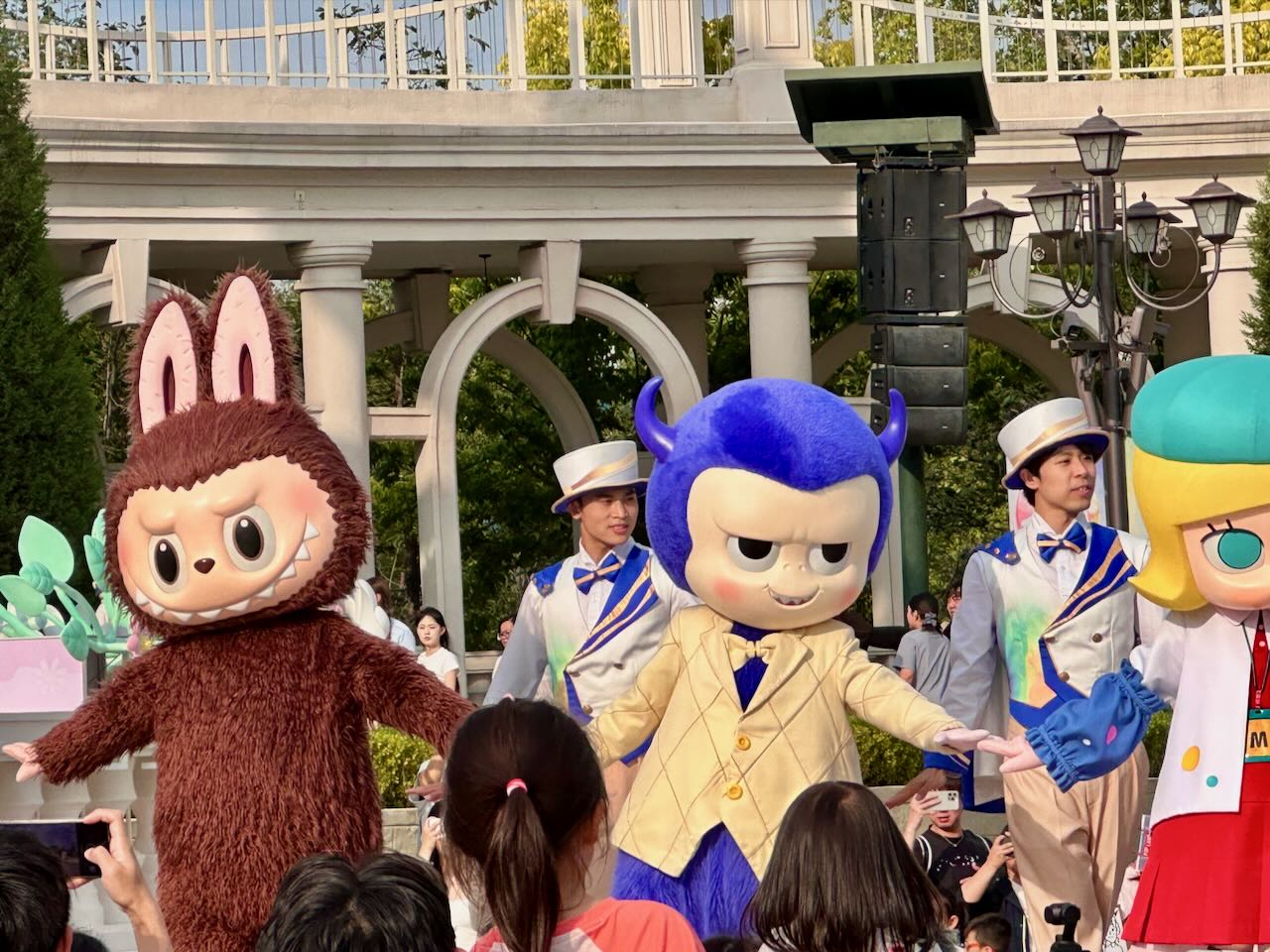
    The biggest learning was that the company had expanded into the theme park business with the opening of Pop Land. So, the journey to find Labubu returns us to Beijing, home of this 40,000 square meter attraction, nestled inside Chaoyang Park. There aren’t rides; instead, you stroll through four zones aimed mostly for social media photo ops with characters, both real and imaginary.

    [/et_pb_text][et_pb_image src=”https://journeyswithstephen.com/wp-content/uploads/2025/09/Labubu-land-Pop-Land-Beijing.jpeg” alt=”Labubu land Pop Land Beijing” title_text=”Labubu land Pop Land Beijing” admin_label=”Labubu land Pop Land Beijing” _builder_version=”4.27.4″ _module_preset=”default” global_colors_info=”{}”][/et_pb_image][et_pb_text _builder_version=”4.27.4″ _module_preset=”default” global_colors_info=”{}”]

    Labubu land is a foresty area with pretend campsites and tree house. Girls stand in line in Molly land for a chance to interact with that popular character. In keeping with the family-oriented atmosphere, there is a playground for children.

    [/et_pb_text][et_pb_image src=”https://journeyswithstephen.com/wp-content/uploads/2025/09/Pastry-shop-Pop-Land-Beijing.jpeg” alt=”Pastry shop Pop Land Beijing” title_text=”Pastry shop Pop Land Beijing” admin_label=”Pastry shop Pop Land Beijing” _builder_version=”4.27.4″ _module_preset=”default” global_colors_info=”{}”][/et_pb_image][et_pb_text _builder_version=”4.27.4″ _module_preset=”default” global_colors_info=”{}”]

    Of course, there are plenty of snacks, including Labubu waffles, ice cream, and a pastry shop. Cast members are dressed in appropriate theme costumes.

    [/et_pb_text][et_pb_image src=”https://journeyswithstephen.com/wp-content/uploads/2025/09/Castle-Pop-PLand-Beijing.jpeg” alt=”Castle Pop Land Beijing” title_text=”Castle Pop Land Beijing” admin_label=”Castle Pop Land Beijing” _builder_version=”4.27.4″ _module_preset=”default” global_colors_info=”{}”][/et_pb_image][et_pb_text _builder_version=”4.27.4″ _module_preset=”default” global_colors_info=”{}”]

    The centerpiece of Pop Land is a large white castle. Its main purpose, taking a page from Disney, seems to be a place to sell more merchandise. And it is full of Labubu, Molly, Skullpanda, and other character-driven items we haven’t seen anywhere else. We buy enough monsters to fill two bags.

    [/et_pb_text][et_pb_video src=”https://youtu.be/DDBqS69E3CY” _builder_version=”4.27.4″ _module_preset=”default” global_colors_info=”{}”][/et_pb_video][et_pb_text _builder_version=”4.27.4″ _module_preset=”default” global_colors_info=”{}”]

    Disclaimer: We had many other reasons for visiting Mainland China and Taiwan. The journey to find Labubu was just a fun diversion. Besides, by the time you read this there will probably be a bigger toy craze. Maybe an AI doll that talks in your voice. The 21st century Chatty Cathy.

    Do you have any questions or suggestions to help others? Feel free to comment at the bottom of this post.

    [/et_pb_text][/et_pb_column][et_pb_column type=”1_4″ _builder_version=”4.27.4″ _module_preset=”default” global_colors_info=”{}”][/et_pb_column][/et_pb_row][/et_pb_section]
  • Engaging art museum and temple in remote China

    Engaging art museum and temple in remote China

    [et_pb_section fb_built=”1″ theme_builder_area=”post_content” _builder_version=”4.27.4″ _module_preset=”default”][et_pb_row _builder_version=”4.27.4″ _module_preset=”default” column_structure=”3_4,1_4″ theme_builder_area=”post_content”][et_pb_column _builder_version=”4.27.4″ _module_preset=”default” type=”3_4″ theme_builder_area=”post_content”][et_pb_text _builder_version=”4.27.4″ _module_preset=”default” theme_builder_area=”post_content” hover_enabled=”0″ sticky_enabled=”0″]

    Yes, there is an engaging art museum and temple in remote China, some 300 miles (500km) from Beijing. The museum, in Zuoquan county, is a worthy trip when you venture to Shanxi Province’s more notable destinations: the Jinci Temple complex and Pingyao Ancient City. For westerners, this will probably be their first introduction into tourist sites visited primarily by Chinese. In fact, I rarely saw a Caucasian throughout my Shanxi journeys.

    [/et_pb_text][et_pb_image _builder_version=”4.27.4″ _module_preset=”default” theme_builder_area=”post_content” alt=”Countryside Zuoquan county Shanxi China” title_text=”Countryside Zuoquan county Shanxi China” src=”https://journeyswithstephen.com/wp-content/uploads/2025/06/Countryside-Zuoquan-county-Shanxi-China.jpeg” admin_label=”Countryside Zuoquan county Shanxi China” hover_enabled=”0″ sticky_enabled=”0″][/et_pb_image][et_pb_text _builder_version=”4.27.4″ _module_preset=”default” theme_builder_area=”post_content” hover_enabled=”0″ sticky_enabled=”0″]

    We start our travels with a one-hour plus flight from Beijing to the city of Changzhi. From there, we travel by private van another 1 1/2 hours into the beautiful countryside to our destination in Zuoquan county. Note: Zuo Quan was a Communist general who died fighting the Japanese. There are numerous memorials in this region to war heroes.

    [/et_pb_text][et_pb_image _builder_version=”4.27.4″ _module_preset=”default” theme_builder_area=”post_content” alt=”Charlotte Ye and Wang Yidong” title_text=”Charlotte Ye and Wang Yidong” src=”https://journeyswithstephen.com/wp-content/uploads/2025/06/Charlotte-Ye-and-Wang-Yidong.jpeg” admin_label=”Charlotte Ye and Wang Yidong” hover_enabled=”0″ sticky_enabled=”0″][/et_pb_image][et_pb_text _builder_version=”4.27.4″ _module_preset=”default” theme_builder_area=”post_content” hover_enabled=”0″ sticky_enabled=”0″]

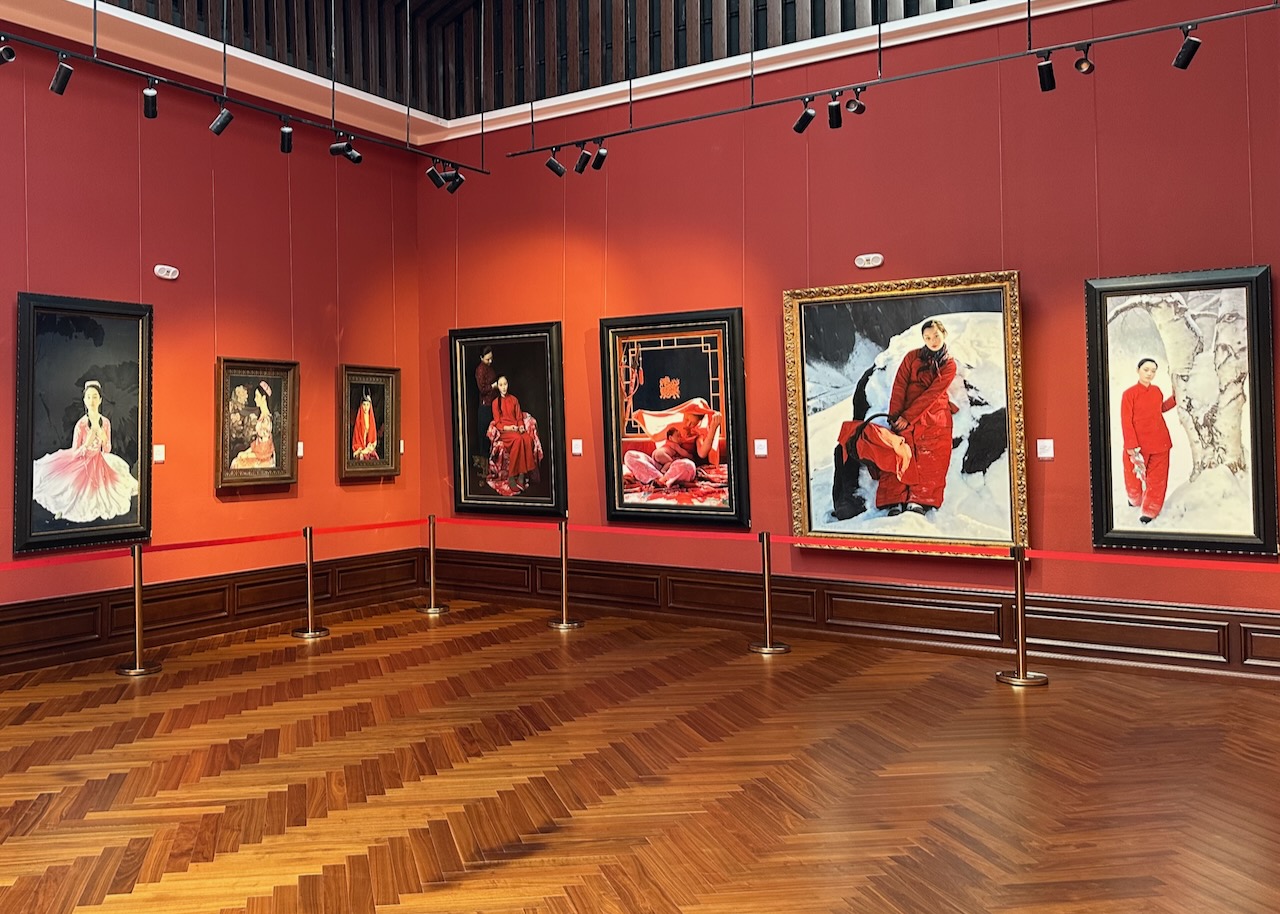
    It is here we are invited to attend the opening ceremony of the Wang Yidong Art Museum. Wang Yidong, born in rural China in 1955, is a renowned artist painting in the realist style. Some of his works have sold for well over a million dollars.

    [/et_pb_text][et_pb_image _builder_version=”4.27.4″ _module_preset=”default” theme_builder_area=”post_content” alt=”Paintings Wang Yidong Art Museum” title_text=”Paintings Wang Yidong Art Museum” src=”https://journeyswithstephen.com/wp-content/uploads/2025/06/Paintings-Wang-Yidong-Art-Museum.jpeg” admin_label=”Paintings Wang Yidong Art Museum” hover_enabled=”0″ sticky_enabled=”0″][/et_pb_image][et_pb_text _builder_version=”4.27.4″ _module_preset=”default” theme_builder_area=”post_content” hover_enabled=”0″ sticky_enabled=”0″]

    An article from the acclaimed Christie’s auction house describes Wang Yidong’s paintings as “earnest and humble portrayals of humankind, less concerned with physical than moral beauty, endeavouring to project the aesthetics inherent in simple quotidian scenes.”

    [/et_pb_text][et_pb_image _builder_version=”4.27.4″ _module_preset=”default” theme_builder_area=”post_content” alt=”Wang Yidong Art Museum wall of prints” title_text=”Wang Yidong Art Museum wall of prints” src=”https://journeyswithstephen.com/wp-content/uploads/2025/06/Wang-Yidong-Art-Museum-wall-of-prints.jpeg” admin_label=”Wang Yidong Art Museum wall of prints” hover_enabled=”0″ sticky_enabled=”0″][/et_pb_image][et_pb_text _builder_version=”4.27.4″ _module_preset=”default” theme_builder_area=”post_content” hover_enabled=”0″ sticky_enabled=”0″]

    Christie’s goes on to say, “His essential idealism, realistic environments and classical themes are drawn into a modern and decidedly Chinese context, suggesting parallels between two periods of political idealism, struggle for liberty, heroism, austerity and the values of simplicity and human virtue.”

    [/et_pb_text][et_pb_image _builder_version=”4.27.4″ _module_preset=”default” theme_builder_area=”post_content” alt=”Wang Yidong wedding painting” title_text=”Wang Yidong wedding painting” src=”https://journeyswithstephen.com/wp-content/uploads/2025/06/Wang-Yidong-wedding-painting.jpeg” admin_label=”Wang Yidong wedding painting” hover_enabled=”0″ sticky_enabled=”0″][/et_pb_image][et_pb_text _builder_version=”4.27.4″ _module_preset=”default” theme_builder_area=”post_content” hover_enabled=”0″ sticky_enabled=”0″]

    Whatever the meaning behind the art, we are struck by his bold use of red. Also, Wang’s ability to capture subtle facial expressions and the way he uses light, both indoors and outdoors.

    [/et_pb_text][et_pb_image _builder_version=”4.27.4″ _module_preset=”default” theme_builder_area=”post_content” alt=”Wang Yidong opening ceremony art museum” title_text=”Wang Yidong opening ceremony art museum” src=”https://journeyswithstephen.com/wp-content/uploads/2025/06/Wang-Yidong-opening-ceremony-art-museum.jpeg” admin_label=”Wang Yidong opening ceremony art museum” hover_enabled=”0″ sticky_enabled=”0″][/et_pb_image][et_pb_text _builder_version=”4.27.4″ _module_preset=”default” theme_builder_area=”post_content” hover_enabled=”0″ sticky_enabled=”0″]

    The lively opening ceremony of the Wang Yidong Art Museum brings together distinguished artists and local government leaders as this area seeks to broaden its appeal beyond the impressive landscape into the art world.

    [/et_pb_text][et_pb_image _builder_version=”4.27.4″ _module_preset=”default” theme_builder_area=”post_content” alt=”Wang Yidong Art Museum interior” title_text=”Wang Yidong Art Museum interior” src=”https://journeyswithstephen.com/wp-content/uploads/2025/06/Wang-Yidong-Art-Museum-interior.jpeg” admin_label=”Wang Yidong Art Museum interior” hover_enabled=”0″ sticky_enabled=”0″][/et_pb_image][et_pb_text _builder_version=”4.27.4″ _module_preset=”default” theme_builder_area=”post_content” hover_enabled=”0″ sticky_enabled=”0″]

    The expansive gallery, complete with ample workshop space in another building, is an important step in that direction.

    [/et_pb_text][et_pb_image _builder_version=”4.27.4″ _module_preset=”default” theme_builder_area=”post_content” alt=”Bullet train Beijing Taiyuan” title_text=”Bullet train Beijing Taiyuan” src=”https://journeyswithstephen.com/wp-content/uploads/2025/06/Bullet-train-Beijing-Taiyuan.jpeg” admin_label=”Bullet train Beijing Taiyuan” hover_enabled=”0″ sticky_enabled=”0″][/et_pb_image][et_pb_text _builder_version=”4.27.4″ _module_preset=”default” theme_builder_area=”post_content” hover_enabled=”0″ sticky_enabled=”0″]

    China has built a remarkable train system. The bullet train from Changzhi to our next destination, Taiyuan, takes only a little over an hour to travel 220 km (137 miles). The modern J.W. Marriott is our base for the next part of this journey.

    [/et_pb_text][et_pb_image _builder_version=”4.27.4″ _module_preset=”default” theme_builder_area=”post_content” alt=”Jinci Temple Shanxi China” title_text=”Jinci Temple Shanxi China” src=”https://journeyswithstephen.com/wp-content/uploads/2025/06/Jinci-Temple-Shanxi-China.jpeg” admin_label=”Jinci Temple Shanxi China” hover_enabled=”0″ sticky_enabled=”0″][/et_pb_image][et_pb_text _builder_version=”4.27.4″ _module_preset=”default” theme_builder_area=”post_content” hover_enabled=”0″ sticky_enabled=”0″]

    The Jinci Temple complex is just 30 minutes from Taiyuan. We discover a wonderland of 98 buildings, some more than 1,000 years old. It is recognized as the earliest ancestral temple garden complex in all of China. We recommend allowing most of a day to wander the vast grounds, experiencing both natural scenery and cultural relics.

    [/et_pb_text][et_pb_image _builder_version=”4.27.4″ _module_preset=”default” theme_builder_area=”post_content” alt=”8 dragons Jinci Temple Shanxi China” title_text=”8 dragons Jinci Temple Shanxi China” src=”https://journeyswithstephen.com/wp-content/uploads/2025/06/8-dragons-Jinci-Temple-Shanxi-China.jpeg” admin_label=”8 dragons Jinci Temple Shanxi China” hover_enabled=”0″ sticky_enabled=”0″][/et_pb_image][et_pb_text _builder_version=”4.27.4″ _module_preset=”default” theme_builder_area=”post_content” hover_enabled=”0″ sticky_enabled=”0″]

    Highlights include the 3 wonders of architecture. The first national treasure is Shengmu Hall, constructed during the Song Dynasty, around 1023 A.D. The second is the twining carved dragons. The 8 lifelike dragons form the earliest wood carving column in China. The third wonder is the Flying Bridge Across Fish Ponds. The 34 stone columns supporting the deck also date back more than 1,000 years.

    [/et_pb_text][et_pb_image _builder_version=”4.27.4″ _module_preset=”default” theme_builder_area=”post_content” alt=”Maidservant sculptures Jinci Temple Shanxi China” title_text=”Maidservant sculptures Jinci Temple Shanxi China” src=”https://journeyswithstephen.com/wp-content/uploads/2025/06/Maidservant-sculptures-Jinci-Temple-Shanxi-China.jpeg” admin_label=”Maidservant sculptures Jinci Temple Shanxi China” hover_enabled=”0″ sticky_enabled=”0″][/et_pb_image][et_pb_text _builder_version=”4.27.4″ _module_preset=”default” theme_builder_area=”post_content” hover_enabled=”0″ sticky_enabled=”0″]

    Next, we discover the 3 wonders of Jinci Temple. First marvel at the ancient living cypress trees that shade the buildings. One of them dates to the Zhou dynasty around 1000 B.C! The second wonder is the 43 colorful maidservant sculptures to be found in Shengmu Hall. The third is Nanlao Spring, with water rushing through rock formations year-round. Take time to explore and you will find stele tablets with calligraphy and many more hidden treasures.

    [/et_pb_text][et_pb_image _builder_version=”4.27.4″ _module_preset=”default” theme_builder_area=”post_content” alt=”Pinyao Shanxi China” title_text=”Pinyao Shanxi China” src=”https://journeyswithstephen.com/wp-content/uploads/2025/06/Pinyao-Shanxi-China.jpeg” admin_label=”Pinyao Shanxi China” hover_enabled=”0″ sticky_enabled=”0″][/et_pb_image][et_pb_text _builder_version=”4.27.4″ _module_preset=”default” theme_builder_area=”post_content” hover_enabled=”0″ sticky_enabled=”0″]

    Most tourists to Taiyuan also make the 90-minute day trip by car to Pingyao Ancient City. Thanks to reconstruction, you are able to step back in time to the Ming dynasty. The city walls, built in 1370, stand an imposing 39 feet (12m) high. They are considered some of the best-preserved ancient city walls in all of China. They enclose an area less than a square mile, making the little city very walkable in a few hours. It is interesting to wander in, up, and around Qiao’s Grand Courtyard, with its classic stone and timber architecture.

    [/et_pb_text][et_pb_image _builder_version=”4.27.4″ _module_preset=”default” theme_builder_area=”post_content” alt=”Stephen Henson Pingyao China” title_text=”Stephen Henson Pingyao China” src=”https://journeyswithstephen.com/wp-content/uploads/2025/06/Stephen-Henson-Pingyao-China.jpeg” admin_label=”Stephen Henson Pingyao China” hover_enabled=”0″ sticky_enabled=”0″][/et_pb_image][et_pb_text _builder_version=”4.27.4″ _module_preset=”default” theme_builder_area=”post_content” hover_enabled=”0″ sticky_enabled=”0″]

    After a half-day in Pingyao, some make the journey to see the Mengshan Giant Buddha, just 25 km south of Taiyuan. The Buddha was carved on the cliff face of a mountain around 551 A.D. Discovered in the 1980s with its head missing, it has been restored and open to tourists.

    [/et_pb_text][et_pb_image _builder_version=”4.27.4″ _module_preset=”default” theme_builder_area=”post_content” alt=”Wang Yidong museum exterior
    ” title_text=”Wang Yidong museum exterior” src=”https://journeyswithstephen.com/wp-content/uploads/2025/06/Wang-Yidong-museum-exterior.jpeg” admin_label=”Wang Yidong museum exterior” hover_enabled=”0″ sticky_enabled=”0″][/et_pb_image][et_pb_text _builder_version=”4.27.4″ _module_preset=”default” theme_builder_area=”post_content” hover_enabled=”0″ sticky_enabled=”0″]

    The setting for the Wang Yidong art museum (pictured above) and the Jinci Temple complex is indeed remote. It is for the Western traveler looking to experience a China beyond the initial visits to Beijing and The Great Wall. Even beyond their further visits to see Chengdu pandas and Terracotta Warriors. For those adventure seekers and art lovers, this journey can be a rewarding effort.

    Do you have any questions or comments about these Shanxi Province locations? Feel free to comment at the bottom of this post.

    [/et_pb_text][/et_pb_column][et_pb_column _builder_version=”4.27.4″ _module_preset=”default” type=”1_4″ theme_builder_area=”post_content”][et_pb_text _builder_version=”4.27.4″ _module_preset=”default” theme_builder_area=”post_content” hover_enabled=”0″ sticky_enabled=”0″]

    What’s upscale?

    Stay at the modern J.W. Marriott in Taiyuan as your base for Jinci Temple complex and Pingyao.

    What’s budget?

    Even upscale travel in Shanxi Province is reasonable, including transportation, hotel and entrance fees.


    [/et_pb_text][et_pb_social_media_follow follow_button=”on” admin_label=”Social Media Follow” _builder_version=”4.16″ link_shape=”rounded_rectangle” saved_tabs=”all” global_colors_info=”{}” theme_builder_area=”post_content”][et_pb_social_media_follow_network social_network=”instagram” url=”http://www.instagram.com/journeyswithstephen” _builder_version=”4.16″ background_color=”#517fa4″ bg_color=”#517fa4″ global_colors_info=”{}” theme_builder_area=”post_content” follow_button=”on” url_new_window=”on”]Instagram[/et_pb_social_media_follow_network][et_pb_social_media_follow_network social_network=”twitter” url=”http://www.twitter.com/journeystephen” _builder_version=”4.22.2″ background_color=”#000000″ bg_color=”#00aced” global_colors_info=”{}” theme_builder_area=”post_content” follow_button=”on” url_new_window=”on”]Twitter[/et_pb_social_media_follow_network][et_pb_social_media_follow_network social_network=”facebook” url=”http://www.facebook.com/journeyswithstephen” _builder_version=”4.16″ background_color=”#3b5998″ bg_color=”#3b5998″ global_colors_info=”{}” theme_builder_area=”post_content” follow_button=”on” url_new_window=”on”]facebook[/et_pb_social_media_follow_network][/et_pb_social_media_follow][/et_pb_column][/et_pb_row][/et_pb_section]
  • You can visit Pandora’s Avatar mountains in China

    You can visit Pandora’s Avatar mountains in China

    [et_pb_section fb_built=”1″ _builder_version=”4.27.4″ _module_preset=”default” global_colors_info=”{}”][et_pb_row column_structure=”3_4,1_4″ _builder_version=”4.27.4″ _module_preset=”default” global_colors_info=”{}”][et_pb_column type=”3_4″ _builder_version=”4.27.4″ _module_preset=”default” global_colors_info=”{}”][et_pb_text _builder_version=”4.27.4″ _module_preset=”default” global_colors_info=”{}”]

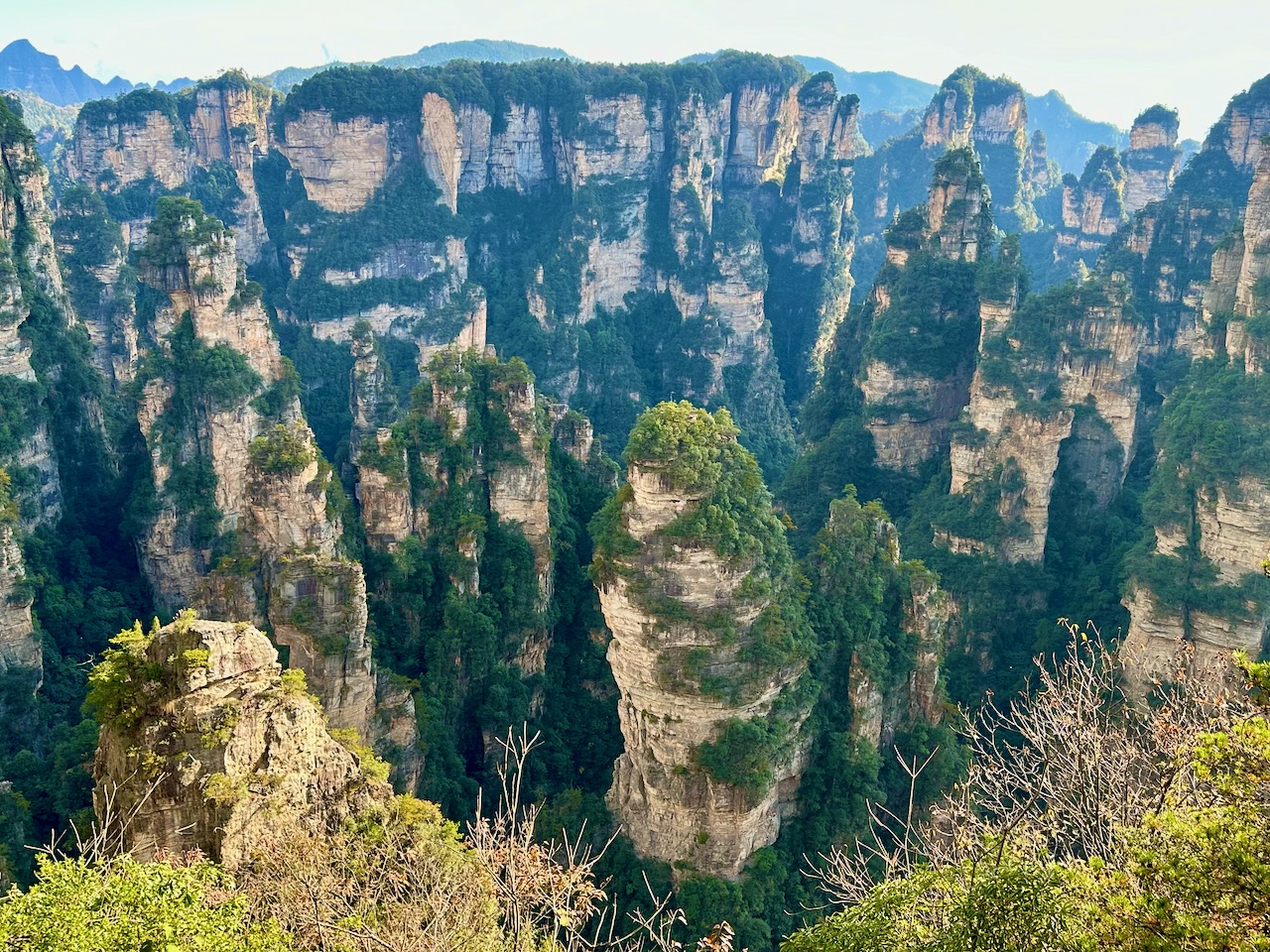
    Few westerners have ever heard the names Zhangjiajie or Fenghuang. Hallelujah Mountains? Sounds familiar. The Avatar mountains?  Ok, the famous first Avatar movie, sure. But those mountains, floating in the air above Pandora, aren’t real. Or are they? The karst formations in China’s Zhangjiajie National Forest Park actually served as inspiration for the film’s designers. Towering pillar rock formations, miraculously shooting up from valley floors. Somehow a forest of trees growing right out of the rock. This unworldly sight in China’s Hunan province can be an inspiration for you, too. And not far away is another magical place, the ancient town of Fenghuang. We will help you navigate from Avatar mountains to ancient China.

    [/et_pb_text][et_pb_image src=”https://journeyswithstephen.com/wp-content/uploads/2025/04/Zhangjiajie-trees-on-peak.jpeg” alt=”Zhangjiajie trees on peak” title_text=”Zhangjiajie trees on peak” admin_label=”Zhangjiajie trees on peak” _builder_version=”4.27.4″ _module_preset=”default” global_colors_info=”{}”][/et_pb_image][et_pb_text _builder_version=”4.27.4″ _module_preset=”default” global_colors_info=”{}”]

    How do we get there?

    Travelers coming from Beijing or Shanghai will want to fly directly to Zhangjiajie. It is a 2.5-hour flight. Hong Kong is a 2-hour flight. From the airport, the city and nearby National Forest Park are just about a half hour or so away by car. And Fenghuang is merely an hour from Zhangjiajie by bullet train.

    [/et_pb_text][et_pb_image src=”https://journeyswithstephen.com/wp-content/uploads/2025/04/Tourists-Zhangjiajie.jpeg” alt=”Tourists Zhangjiajie” title_text=”Tourists Zhangjiajie” admin_label=”Tourists Zhangjiajie” _builder_version=”4.27.4″ _module_preset=”default” global_colors_info=”{}”][/et_pb_image][et_pb_text _builder_version=”4.27.4″ _module_preset=”default” global_colors_info=”{}”]

    When is the best time to visit?

    This might be the most important question to answer. While westerners are unfamiliar with this area, it is extraordinarily popular with Chinese tourists. They pack the region throughout the summer and during long Chinese holidays, which include the first part of October and Chinese New Year, which can last up to a month. And there are more holidays. You should avoid the park during these times. Unlike Disney parks and some U.S. national parks, which put a restriction on daily visitors, Zhangjiajie has so far not stopped enormous crowds of tourists during these times. To compound matters, Zhangjiajie has become an extremely popular destination for South Koreans too. I have seen reports of tourists spending more than 7 hours of their day in one queue or another!

    [/et_pb_text][et_pb_image src=”https://journeyswithstephen.com/wp-content/uploads/2025/04/Zhangjiajie-fall-color.jpeg” alt=”Zhangjiajie fall color” title_text=”Zhangjiajie fall color” admin_label=”Zhangjiajie fall color” _builder_version=”4.27.4″ _module_preset=”default” global_colors_info=”{}”][/et_pb_image][et_pb_text _builder_version=”4.27.4″ _module_preset=”default” global_colors_info=”{}”]

    So, what to do? The good news is, the weather can be beautiful in the spring and fall anyway, making March, parts of April and May and September and November the best times to go. We visit in late November (actually during U.S. Thanksgiving week) and deal with somewhat manageable crowds. All the photos in this article are taken during this pleasant November weather.

    [/et_pb_text][et_pb_image src=”https://journeyswithstephen.com/wp-content/uploads/2025/04/Zhangjajie-from-Homestay.jpeg” alt=”Zhangjajie from Homestay” title_text=”Zhangjajie from Homestay” admin_label=”Zhangjajie from Homestay” _builder_version=”4.27.4″ _module_preset=”default” global_colors_info=”{}”][/et_pb_image][et_pb_text _builder_version=”4.27.4″ _module_preset=”default” global_colors_info=”{}”]

    Where should we stay?

    There are a few options for the upscale traveler on a budget. Zhangjiajie has yet to see luxury international brand hotels – no Banyan Tree or Aman or Ritz Carlton to be found. You should skip the big hotels, inundated with Chinese tour groups. Fortunately, there are convenient homestays, where you can experience both the local atmosphere and quiet, premium lodging.

    [/et_pb_text][et_pb_image src=”https://journeyswithstephen.com/wp-content/uploads/2025/04/Celestial-Vally-Homestay-Zhangjiajie.jpeg” alt=”Celestial Vally Homestay Zhangjiajie” title_text=”Celestial Vally Homestay Zhangjiajie” admin_label=”Celestial Vally Homestay Zhangjiajie” _builder_version=”4.27.4″ _module_preset=”default” global_colors_info=”{}”][/et_pb_image][et_pb_text _builder_version=”4.27.4″ _module_preset=”default” global_colors_info=”{}”]

    We choose Celestial Vally (yes, it’s spelled that way), a homestay via booking.com. This friendly, family-run establishment offers a handful of spacious rooms, all with lovely views of nearby rock formations. What really comes in handy is the included car service, with airport pickup and drop off, as well as daily transportation to the national forest and city.

    [/et_pb_text][et_pb_image src=”https://journeyswithstephen.com/wp-content/uploads/2025/04/Monkey-Zhangjiajie-Tianmen.jpeg” alt=”Monkey Zhangjiajie Tianmen” title_text=”Monkey Zhangjiajie Tianmen” admin_label=”Monkey Zhangjiajie Tianmen” _builder_version=”4.27.4″ _module_preset=”default” global_colors_info=”{}”][/et_pb_image][et_pb_text _builder_version=”4.27.4″ _module_preset=”default” global_colors_info=”{}”]

    How many days should we allow?

    Zhangjiajie National Forest Park and nearby Tianmen Mountain deserve at least three days, as you will see in the itinerary below. Could you cram highlights into two days? Sure. Could you extend to four days, especially if there are crowds? Sure.

    [/et_pb_text][et_pb_image src=”https://journeyswithstephen.com/wp-content/uploads/2025/04/Fenghuang-Tuojiang-river.jpeg” alt=”Fenghuang Tuojiang river” title_text=”Fenghuang Tuojiang river” admin_label=”Fenghuang Tuojiang river” _builder_version=”4.27.4″ _module_preset=”default” global_colors_info=”{}”][/et_pb_image][et_pb_text _builder_version=”4.27.4″ _module_preset=”default” global_colors_info=”{}”]

    In any scenario, you should allow another day and night (24 hours) in Fenghuang (above photo). Fortunately, there is a bullet train that can make the 140-mile (225km) journey in just one hour. The journey might be a little challenging for English-only speakers, but worth the effort.

    [/et_pb_text][et_pb_image src=”https://journeyswithstephen.com/wp-content/uploads/2025/04/Bailong-elevator-Zhangjiajie.jpeg” alt=”Bailong elevator Zhangjiajie” title_text=”Bailong elevator Zhangjiajie” admin_label=”Bailong elevator Zhangjiajie” _builder_version=”4.27.4″ _module_preset=”default” global_colors_info=”{}”][/et_pb_image][et_pb_text _builder_version=”4.27.4″ _module_preset=”default” global_colors_info=”{}”]

    What is a good itinerary?

    Day one. English-only speakers may be wise to hire a private guide, as English is not widely spoken. The main entrance to Zhangjiajie National Forest Park is through the east gate. A shuttle bus takes you to an area called Yuanjiajie. After walking the valley floor with views of the towering pillars, you need to queue for the Bailong (Hundred Dragon) elevator. The double-decker glass elevator, rising 1,070 feet (326m), is the tallest outdoor elevator in the world. And yet the ascent takes just 88 seconds! From the top the views of the Hallelujah pillars are magnificent. Welcome to Avatar.

    [/et_pb_text][et_pb_image src=”https://journeyswithstephen.com/wp-content/uploads/2025/04/Zhangjiajie-Tianzi-Mountain-view.jpeg” alt=”Zhangjiajie Tianzi Mountain view” title_text=”Zhangjiajie Tianzi Mountain view” admin_label=”Zhangjiajie Tianzi Mountain view” _builder_version=”4.27.4″ _module_preset=”default” global_colors_info=”{}”][/et_pb_image][et_pb_text _builder_version=”4.27.4″ _module_preset=”default” global_colors_info=”{}”]

    Your day continues with a breakneck bus ride to another part of the park, Tianzi Mountain. The payoff is ongoing spectacular views of the more than 3,000 tree-covered sandstone pillars. Your day ends with a cable car ride down the mountain and back to the main gate. Note, this itinerary could be done in reverse order.

    [/et_pb_text][et_pb_image src=”https://journeyswithstephen.com/wp-content/uploads/2025/04/Tianmen-mountain-from-Jianbianxi.jpeg” alt=”Tianmen mountain from Jianbianxi” title_text=”Tianmen mountain from Jianbianxi” admin_label=”Tianmen mountain from Jianbianxi” _builder_version=”4.27.4″ _module_preset=”default” global_colors_info=”{}”][/et_pb_image][et_pb_text _builder_version=”4.27.4″ _module_preset=”default” global_colors_info=”{}”]

    Day two. This time you enter through the south gate. The Huangshizhai cable car offers more scenic views. But the main attraction today is the 4.5-mile (7.5km) path that follows the Jinbianxi stream (Golden Whip Stream) valley. It is the most stunning hiking trail in the National Forest, a calming retreat from the hectic pace of day one. Here you encounter crystal-clear waters, tall trees, wild monkeys, and rocky peaks that reach the sky. Another option is to just walk partway; in either case returning to the south gate.

    [/et_pb_text][et_pb_image src=”https://journeyswithstephen.com/wp-content/uploads/2025/04/Tianmen-mountain-cable-car.jpeg” alt=”Tianmen mountain cable car” title_text=”Tianmen mountain cable car” admin_label=”Tianmen mountain cable car” _builder_version=”4.27.4″ _module_preset=”default” global_colors_info=”{}”][/et_pb_image][et_pb_text _builder_version=”4.27.4″ _module_preset=”default” global_colors_info=”{}”]

    Day three. Zhangjiajie National Forest Park is just of part of the greater Wulingyuan scenic area. Today we travel by car about 20 miles (32km) to Tianmen Mountain (Heaven’s Gate). First up is a steep cable car ride of 28 minutes (another world’s record). A cliffside path takes you to a closer view of Tianmen Cave, which is actually a 30-meter-high hole through the mountain. Not surprisingly, it is the world’s highest natural water-eroded cave. And if you are not satisfied with the view, you can climb the “Stairway to Heaven,” some 999 steps to the base. You are now 1,500 meters above sea level. Note: If this is just too much climbing, there is an escalator alternative to the stairway.

    [/et_pb_text][et_pb_image src=”https://journeyswithstephen.com/wp-content/uploads/2025/04/Stephen-Henson-Zhangjiajie-cable-car.jpeg” alt=”Stephen Henson Zhangjiajie cable car” title_text=”Stephen Henson Zhangjiajie cable car” admin_label=”Stephen Henson Zhangjiajie cable car” _builder_version=”4.27.4″ _module_preset=”default” global_colors_info=”{}”][/et_pb_image][et_pb_text _builder_version=”4.27.4″ _module_preset=”default” global_colors_info=”{}”]

    What are some other options?

    Zhangjiajie has plenty of options for you if you are seeking thrills, want to hike, or just take a relaxing boat ride. Personally, we visit a national park to enjoy the finest nature can provide. Zhangjiajie has decided to produce its own set of experiences. If the tallest elevator and longest cable car aren’t thrilling enough, we are just getting started. Tianmen Mountain has the Glass Skywalk, where hugging a cliff, you can also look straight down 4,000 feet (1,200m). Zhangjiajie Grand Canyon features the longest glass bridge in the world (of course), connecting two rock formations high above ground. That area of the park also provides a bungee jump, zip line, an iron chain cliff path, and more.

    [/et_pb_text][et_pb_image src=”https://journeyswithstephen.com/wp-content/uploads/2025/04/Zhangjiajie-nightime-show.jpeg” alt=”Zhangjiajie nightime show” title_text=”Zhangjiajie nightime show” admin_label=”Zhangjiajie nightime show” _builder_version=”4.27.4″ _module_preset=”default” global_colors_info=”{}”][/et_pb_image][et_pb_text _builder_version=”4.27.4″ _module_preset=”default” global_colors_info=”{}”]

    But I have already had my share of scary travel moments elsewhere. So, at the other end of the spectrum, we choose the 30-minute boat trip on Baofeng Lake. We find this ride on what is an artificial reservoir a bit too theme park-like. We attend the Xiangxi theatre show at night in the city, but find that attraction really aimed more at the large Chinese tour groups.

    [/et_pb_text][et_pb_image src=”https://journeyswithstephen.com/wp-content/uploads/2025/04/Fenghuang-ancient-town.jpeg” alt=”Fenghuang ancient town” title_text=”Fenghuang ancient town” admin_label=”Fenghuang ancient town” _builder_version=”4.27.4″ _module_preset=”default” global_colors_info=”{}”][/et_pb_image][et_pb_text _builder_version=”4.27.4″ _module_preset=”default” global_colors_info=”{}”]

    Next stop, Fenghuang

    It would be a shame to travel all the way to Zhangjiajie and not visit Fenghuang Ancient Town. Thanks to China’s modern train system, with speeds reaching 350km/h (217mph), the city is only an hour away. And yet, it is centuries away. Fenghuang, meaning phoenix in Chinese, is a mythical bird, representing harmony, balance, and good fortune. It is an appropriate symbol for a town that wants to take you back in time.

    [/et_pb_text][et_pb_image src=”https://journeyswithstephen.com/wp-content/uploads/2025/04/Costume-Fenghuang.jpeg” alt=”Costume Fenghuang” title_text=”Costume Fenghuang” admin_label=”Costume Fenghuang” _builder_version=”4.27.4″ _module_preset=”default” global_colors_info=”{}”][/et_pb_image][et_pb_text _builder_version=”4.27.4″ _module_preset=”default” global_colors_info=”{}”]

    The 1,200-year-old city is one of the most beautiful in China. Stilted houses hug the Tuojiang River, crossed by both ancient bridges and stepping stones going back to the Ming and Qing dynasties. Cobblestone lanes lead to temples, restaurants, and shops. Many of these are costume shops renting traditional outfits to females, as they pose for social media shots against the unique backdrops.

    [/et_pb_text][et_pb_video src=”https://youtu.be/WFEwpG4HF0M” admin_label=”Fenghuang night video” _builder_version=”4.27.4″ _module_preset=”default” global_colors_info=”{}”][/et_pb_video][et_pb_text _builder_version=”4.27.4″ _module_preset=”default” global_colors_info=”{}”]

    Fenghuang really transforms into a magical fairy land at night. Lanterns light up the alleys and the whole city becomes aglow in a vibrant scene of soft illumination best viewed from a boat ride on the river.

    [/et_pb_text][et_pb_image src=”https://journeyswithstephen.com/wp-content/uploads/2025/04/Fenghuang-back-streets.jpeg” alt=”Fenghuang back streets” title_text=”Fenghuang back streets” admin_label=”Fenghuang back streets” _builder_version=”4.27.4″ _module_preset=”default” global_colors_info=”{}”][/et_pb_image][et_pb_text _builder_version=”4.27.4″ _module_preset=”default” global_colors_info=”{}”]

    Travel to Fenghuang in the morning, spending a delightful afternoon and evening. Wander the streets and shops on both sides of the river the next morning before heading back to Zhangjiajie to end your journey.

    [/et_pb_text][et_pb_image src=”https://journeyswithstephen.com/wp-content/uploads/2020/06/Huangshan-Mountain-China-1.jpg” alt=”Huangshan Mountain China” title_text=”Huangshan Mountain China” admin_label=”Huangshan Mountain China” _builder_version=”4.27.4″ _module_preset=”default” global_colors_info=”{}”][/et_pb_image][et_pb_text _builder_version=”4.27.6″ _module_preset=”default” hover_enabled=”0″ global_colors_info=”{}” sticky_enabled=”0″]

    What about Huangshan?

    We would be remiss if we didn’t mention Huangshan (Yellow Mountain), in the Anhui province of eastern China. The only thing this majestic mountain range doesn’t feature is the tall, narrow pillars of Zhangjiajie. It checks all the boxes for an Avatar-like experience though and was also visited by the film’s designers. Accessible by train from Shanghai and less crowded, we write about wondrous Huangshan here.

    Have you been to Zhangjiajie or Fenghuang? Thinking about it and want more advice? Feel free to comment at the bottom of this post.

    [/et_pb_text][/et_pb_column][et_pb_column type=”1_4″ _builder_version=”4.27.4″ _module_preset=”default” global_colors_info=”{}”][et_pb_text _builder_version=”4.27.4″ _module_preset=”default” global_colors_info=”{}”]

    What’s upscale?

    Don’t hesitate to secure upscale homestay lodging versus the big hotels. Take business class on the train to Fenghuang.

    What’s budget?

    Get all-inclusive pricing for the National Forest Park, which includes buses and cable cars.


    [/et_pb_text][et_pb_social_media_follow follow_button=”on” admin_label=”Social Media Follow” _builder_version=”4.16″ link_shape=”rounded_rectangle” saved_tabs=”all” global_colors_info=”{}”][et_pb_social_media_follow_network social_network=”instagram” url=”http://www.instagram.com/journeyswithstephen” _builder_version=”4.16″ background_color=”#517fa4″ bg_color=”#517fa4″ global_colors_info=”{}” follow_button=”on” url_new_window=”on”]Instagram[/et_pb_social_media_follow_network][et_pb_social_media_follow_network social_network=”twitter” url=”http://www.twitter.com/journeystephen” _builder_version=”4.22.2″ background_color=”#000000″ bg_color=”#00aced” global_colors_info=”{}” follow_button=”on” url_new_window=”on”]Twitter[/et_pb_social_media_follow_network][et_pb_social_media_follow_network social_network=”facebook” url=”http://www.facebook.com/journeyswithstephen” _builder_version=”4.16″ background_color=”#3b5998″ bg_color=”#3b5998″ global_colors_info=”{}” follow_button=”on” url_new_window=”on”]facebook[/et_pb_social_media_follow_network][/et_pb_social_media_follow][/et_pb_column][/et_pb_row][/et_pb_section]
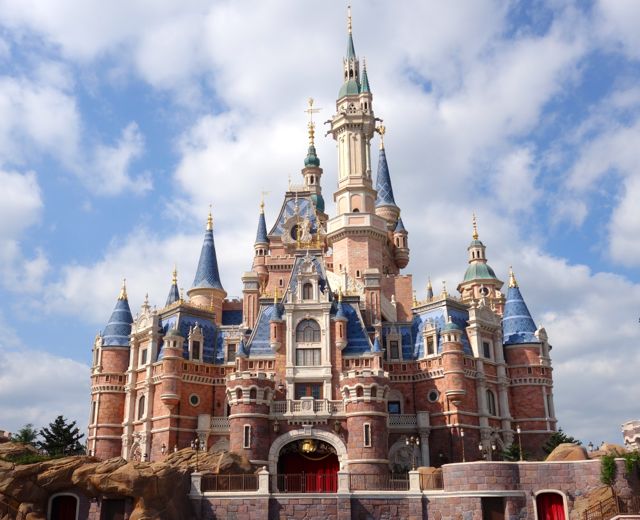
  • Huangshan, China’s mountain gem

    Huangshan, China’s mountain gem

    [et_pb_section admin_label=”section”][et_pb_row admin_label=”row”][et_pb_column type=”3_4″][et_pb_text admin_label=”Text” background_layout=”light” text_orientation=”left” use_border_color=”off” border_color=”#ffffff” border_style=”solid”]

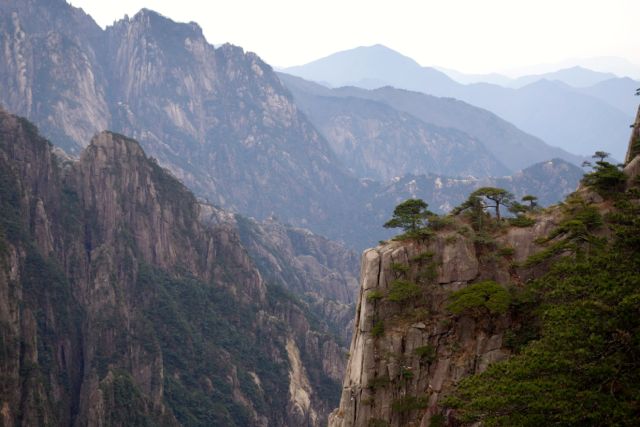
    We gaze at the imposing granite peaks dating back to the Jurassic Period. Gnarled pine trees grow mystically out of the rock. The mountains seem to float on endlessly. But this Avatar-like scene is devoid of any Western tourists during our visit. They are missing China’s hidden gem.

    These fascinating mountains, often enshrined in a sea of clouds, have long infatuated Chinese poets and landscape artists. They even inspired the Shanshui (mountain and water) school of painting, dating back to the Ming Dynasty of the 16th century. The landscape has not escaped the attention of UNESCO either, being named a World Heritage Site in 1990 as “the loveliest mountain in China.” And today, a remarkable 2.74 million travelers visit the popular retreat in the south of Anhui Province, annually.

    [/et_pb_text][et_pb_image admin_label=”Huangshan Mountain cliff temple China” src=”https://journeyswithstephen.com/wp-content/uploads/2017/05/Huangshan-Mountain-cliff-temple-China.jpg” alt=”Huangshan Mountain cliff temple China” title_text=”Huangshan Mountain cliff temple China” show_in_lightbox=”off” url_new_window=”off” use_overlay=”off” animation=”off” sticky=”off” align=”left” force_fullwidth=”off” always_center_on_mobile=”on” use_border_color=”off” border_color=”#ffffff” border_style=”solid”] [/et_pb_image][et_pb_text admin_label=”Text” background_layout=”light” text_orientation=”left” use_border_color=”off” border_color=”#ffffff” border_style=”solid”]

    So where are the Western tourists? Well, to begin with, China’s tourism machine doesn’t promote this iconic setting. Visitors are beckoned to Beijing to see the historic Forbidden City, Temple of Heaven, and Summer Palace. While there, they would be remiss if they didn’t take a convenient side trip to The Great Wall. Go to Shanghai and see 21st century China on display, spectacular by day and night. Even Chengdu is accessible via a manageable flight, and a panda preserve is right in the city. Tour groups love to shepherd Westerners on a boat through the Three Gorges. And don’t forget the Terracotta Warriors, a quick drive from the Xian airport.

    Huangshan is a little trickier. The city of Huangshan is about 410 km (255 mi) southwest of Shanghai and 250 km (155 mi) west of Hangzhou. High-speed trains are the most practical way to make that connection. Beijing is further to the north, with the fastest train taking about 6 hours. But you are not really near the mountain when you arrive in Huangshan.

    [/et_pb_text][et_pb_image admin_label=”Huangshan Mountain China map” src=”https://journeyswithstephen.com/wp-content/uploads/2017/05/Huangshan-Mountain-China-map.jpg” alt=”Huangshan Mountain China map” title_text=”Huangshan Mountain China map” show_in_lightbox=”off” url_new_window=”off” use_overlay=”off” animation=”off” sticky=”off” align=”left” force_fullwidth=”off” always_center_on_mobile=”on” use_border_color=”off” border_color=”#ffffff” border_style=”solid”] [/et_pb_image][et_pb_text admin_label=”Text” background_layout=”light” text_orientation=”left” use_border_color=”off” border_color=”#ffffff” border_style=”solid”]

    You can hire a driver or take a taxi or find a bus from the train station, but it is a confusing setup. And all signs are in Chinese only – everything. In hindsight, I would check into a reputable hotel in the area and have them arrange a guide for you, including on the mountain itself. Getting there is tricky and even with the help of several cable cars the mountain trails can be a navigational challenge.

    Do not let this caution stop you from visiting some of the most remarkable vistas on the planet. The scenic area covers more than 150 square kilometers, with a wondrously diverse ecosystem. The “Four Wonders of Huangshan” are the spectacular rocks formations, the oddly shaped pine trees, hot springs, and the “sea of clouds.” It is no wonder that for centuries they have been thrilling those who journey there.

    [/et_pb_text][et_pb_image admin_label=”Yellow Mountain Huangshan China” src=”https://journeyswithstephen.com/wp-content/uploads/2017/05/Yellow-Mountain-Huangshan-China.jpg” alt=”Yellow Mountain Huangshan China” title_text=”Yellow Mountain Huangshan China” show_in_lightbox=”off” url_new_window=”off” use_overlay=”off” animation=”off” sticky=”off” align=”left” force_fullwidth=”off” always_center_on_mobile=”on” use_border_color=”off” border_color=”#ffffff” border_style=”solid”] [/et_pb_image][et_pb_text admin_label=”Text” background_layout=”light” text_orientation=”left” use_border_color=”off” border_color=”#ffffff” border_style=”solid”]

    According to legend, the Yellow Emperor, Huang Di, born in 2717 BC, was a disciple of two Chinese Daoist masters. They were alchemists who sought to make pills of immortality. They chose this mountain region as a place that was close to both the spirit and physical worlds. It was here that the Yellow Emperor swallowed their golden pill and after soaking in a hot spring for 7 days, became immortal. The mountain range was later renamed Huangshan (Yellow Mountain) in his honor.

    Renowned environmental advocate Edward Abbey once famously stated, “May your trails be crooked, winding, lonesome, dangerous, leading to the most amazing view.” Fortunately for travelers like us, Huangshan has been architected with tens of thousands of stone steps in lieu of rocky, dirt paths, and there are tasteful wooden fences that keep you from falling over a cliff. With apologies to Edward, the views are still amazing.

    [/et_pb_text][et_pb_image admin_label=”Stephen Henson Huangshan Mountain China” src=”https://journeyswithstephen.com/wp-content/uploads/2017/05/Stephen-Henson-Huangshan-Mountain-China.jpg” alt=”Stephen Henson Huangshan Mountain China” title_text=”Stephen Henson Huangshan Mountain China” show_in_lightbox=”off” url_new_window=”off” use_overlay=”off” animation=”off” sticky=”off” align=”left” force_fullwidth=”off” always_center_on_mobile=”on” use_border_color=”off” border_color=”#ffffff” border_style=”solid”] [/et_pb_image][et_pb_text admin_label=”Text” background_layout=”light” text_orientation=”left” use_border_color=”off” border_color=”#ffffff” border_style=”solid”]

    Upon arrival, we take the Taiping Cableway (one of three on the mountain range) to its upper station in hopes that from there the hiking will be more or less downhill. It is less. But the mountains are so majestic that we don’t mind traversing stone steps, up and down and up and down. The stops are frequent for photos of the stunning vistas.

    Some of the peaks rise more than 1,000 meters above the forest floor below. Many have been given artistic and even whimsical names, such as Immortal on Stilts, Farewell to My Concubine, Rock Fell from Sky, Buddha Hand Writing a Sealed Book, and Monkey Looking Over the Sea.

    [/et_pb_text][et_pb_image admin_label=”Monkey Huangshan Mountain China” src=”https://journeyswithstephen.com/wp-content/uploads/2017/05/Monkey-Huangshan-Mountain-China.jpg” alt=”Monkey Huangshan Mountain China” title_text=”Monkey Huangshan Mountain China” show_in_lightbox=”off” url_new_window=”off” use_overlay=”off” animation=”off” sticky=”off” align=”left” force_fullwidth=”off” always_center_on_mobile=”on” use_border_color=”off” border_color=”#ffffff” border_style=”solid”] [/et_pb_image][et_pb_text admin_label=”Text” background_layout=”light” text_orientation=”left” use_border_color=”off” border_color=”#ffffff” border_style=”solid”]

    In fact, there are monkeys to be found perched on the rocks. We admire their ability to maneuver a steep precipice like no human could. Interesting animals aside, the other striking feature of this region is the magnificent pine forest. Rising from gaps in the rocks, clinging to cliffs, they help to create a magical landscape that seems more like a painting than reality.

    Four hours and a hundred photos later, a check of the health app on my phone confirms we have walked more than 12,000 steps and 105 floors! You don’t need to be an expert hiker to enjoy Huangshan, but you do need the stamina for a lot of vertical walking.

    [/et_pb_text][et_pb_image admin_label=”stone steps Huangshan China” src=”https://journeyswithstephen.com/wp-content/uploads/2017/05/stone-steps-Huangshan-China.jpg” alt=”stone steps Huangshan China” title_text=”stone steps Huangshan China” show_in_lightbox=”off” url_new_window=”off” use_overlay=”off” animation=”off” sticky=”off” align=”left” force_fullwidth=”off” always_center_on_mobile=”on” use_border_color=”off” border_color=”#ffffff” border_style=”solid”] [/et_pb_image][et_pb_text admin_label=”Text” background_layout=”light” text_orientation=”left” use_border_color=”off” border_color=”#ffffff” border_style=”solid”]

    Some visitors recommend climbing up the mountain in one day, staying at a hotel near the top, and walking down on day two. We choose to use cable cars for part of the journey and turn the venture into a day trip. The hotels we see are far from upscale and yet still expensive, because all supplies must be hand-carried to the summit. Even choosing the day-trip route, we are exhausted.

    Also be sure to check the weather before making the trek to Huangshan. One of its four wonders is the “sea of clouds.” We go on a mostly cloudy day, but with great visibility. There are times when clouds or fog can swoop in and create some mystical visual effects – or obscure your view altogether. I would not want to deal with hiking the area in the cold and rain, which can also be frequent certain times of the year. In other words, do your research!

    [/et_pb_text][et_pb_image admin_label=”Lucun China rapeseed” src=”https://journeyswithstephen.com/wp-content/uploads/2017/05/Lucun-China-rapeseed.jpg” alt=”Lucun China rapeseed” title_text=”Lucun China rapeseed” show_in_lightbox=”off” url_new_window=”off” use_overlay=”off” animation=”off” sticky=”off” align=”left” force_fullwidth=”off” always_center_on_mobile=”on” use_border_color=”off” border_color=”#ffffff” border_style=”solid”] [/et_pb_image][et_pb_text admin_label=”Text” background_layout=”light” text_orientation=”left” use_border_color=”off” border_color=”#ffffff” border_style=”solid”]

    As magnificent as Huangshan is, there are other not-to-be-missed sites in the region. Hongcun Ancient Village and Lucun Village are each worth several hours of exploration and will be the subject of another post.

    Have you been to Huangshan? What are your impressions? Feel free to comment below.

    [/et_pb_text][/et_pb_column][et_pb_column type=”1_4″][et_pb_text admin_label=”Text” background_layout=”light” text_orientation=”left” use_border_color=”off” border_color=”#ffffff” border_style=”solid”]

    What’s upscale?

    A stay at the Banyan Tree Huangshan is luxurious, but can be expensive depending on the season. Check various dates if possible, as rates vary widely. Also note, that despite Huangshan in the name, the Banyan Tree is more than an hour from the mountain.

    What’s budget?

    Like many UNESCO sites, admission prices are reasonable.


    [/et_pb_text][et_pb_social_media_follow admin_label=”Social Media Follow” link_shape=”rounded_rectangle” background_layout=”light” url_new_window=”on” follow_button=”on” saved_tabs=”all”] [et_pb_social_media_follow_network social_network=”instagram” url=”http://www.instagram.com/journeyswithstephen” skype_action=”call” bg_color=”#517fa4″] Instagram [/et_pb_social_media_follow_network][et_pb_social_media_follow_network social_network=”twitter” url=”http://www.twitter.com/journeystephen” skype_action=”call” bg_color=”#00aced”] Twitter [/et_pb_social_media_follow_network][et_pb_social_media_follow_network social_network=”facebook” url=”http://www.facebook.com/journeyswithstephen” skype_action=”call” bg_color=”#3b5998″] facebook [/et_pb_social_media_follow_network] [/et_pb_social_media_follow][/et_pb_column][/et_pb_row][/et_pb_section]
  • Shanghai Disneyland: Is it worth a visit?

    Shanghai Disneyland: Is it worth a visit?

    [et_pb_section fb_built=”1″ admin_label=”section” _builder_version=”4.16″ global_colors_info=”{}”][et_pb_row column_structure=”3_4,1_4″ admin_label=”row” _builder_version=”4.16″ background_size=”initial” background_position=”top_left” background_repeat=”repeat” global_colors_info=”{}”][et_pb_column type=”3_4″ _builder_version=”4.16″ custom_padding=”|||” global_colors_info=”{}” custom_padding__hover=”|||”][et_pb_text admin_label=”Text” _builder_version=”4.16″ background_size=”initial” background_position=”top_left” background_repeat=”repeat” use_border_color=”off” border_color=”#ffffff” border_style=”solid” global_colors_info=”{}”]You have been to Walt Disney World in Orlando several times, not to mention Disneyland and California Adventure in Anaheim. Maybe you have even visited a Disney property outside the U.S. Should you visit Shanghai Disneyland on your trip to China? The answer is yes!

    The biggest Magic Kingdom in the world is also the most technologically advanced Disney Park. And it features some unique attractions. But what wins me over is the friendliness of the experience. The cast members seem genuinely happy to interact with me, and that feeling spreads to other guests as well. Maybe visiting on a weekday in the offseason helps, but everyone just seems to be relaxed and in a good mood. For my visit this really is the Happiest Place on Earth.

    Update: I visit a second time in June (not the offseason) and have a more challenging experience. I describe that at the bottom of this post.
    [/et_pb_text][et_pb_image src=”https://journeyswithstephen.com/wp-content/uploads/2016/12/Entrance-Shanghai-Disneyland.jpg” alt=”Entrance Shanghai Disneyland” title_text=”Entrance Shanghai Disneyland” align_tablet=”center” align_phone=”” align_last_edited=”on|desktop” admin_label=”Entrance Shanghai Disneyland” _builder_version=”4.16″ use_border_color=”off” border_color=”#ffffff” border_style=”solid” animation=”off” sticky=”off” always_center_on_mobile=”on” global_colors_info=”{}”] [/et_pb_image][et_pb_text admin_label=”Text” _builder_version=”4.16″ background_size=”initial” background_position=”top_left” background_repeat=”repeat” use_border_color=”off” border_color=”#ffffff” border_style=”solid” global_colors_info=”{}”]

    Can Westerners truly enjoy a Chinese theme park?

    I spent many years in China closely following the story of whether Disney would get approval for a theme park on the mainland. True, there is Disneyland Hong Kong, but if you have ever visited, the park just feels like a small version of the U.S. Disneyland.

    To win over Chinese officials, Disney Chairman Robert Iger had to promise an “authentically Disney and distinctly Chinese” experience. Shanghai Disneyland delivers on the promise. Things that have no context for the Chinese visitor have been replaced. For example, Main Street (an American concept) is now Mickey Avenue. And a monorail wouldn’t have been very futuristic in a city where you can take a real maglev train traveling at 430kph (267mph).
    [/et_pb_text][et_pb_image src=”https://journeyswithstephen.com/wp-content/uploads/2016/12/Minnie-Mouse-bows-Shanghai-Disneyland.jpg” alt=”Minnie Mouse bows Shanghai Disneyland” title_text=”Minnie Mouse bows Shanghai Disneyland” align_tablet=”center” align_phone=”” align_last_edited=”on|desktop” admin_label=”Minnie Mouse bows Shanghai Disneyland” _builder_version=”4.16″ use_border_color=”off” border_color=”#ffffff” border_style=”solid” animation=”off” sticky=”off” always_center_on_mobile=”on” global_colors_info=”{}”] [/et_pb_image][et_pb_text admin_label=”Text” _builder_version=”4.16″ background_size=”initial” background_position=”top_left” background_repeat=”repeat” use_border_color=”off” border_color=”#ffffff” border_style=”solid” global_colors_info=”{}”]And still, the authenticity of Disney is clearly there. Popular movies in China, such as Frozen and The Lion King, are showcased. And who would have guessed that girls of all ages would eagerly wear Minnie Mouse ears with polka dot bows in their hair?

    Back to the question at hand. Can Westerners enjoy this park? Absolutely. All handouts, signs, and verbal directions are in both Chinese and English. Cast members, for the most part, speak English and are happy to practice it on guests. The biggest challenge comes from the entertainment attractions, which naturally, are spoken only in Mandarin. Even that can be fun, listening to Jack Sparrow slurring Chinese the way he does English.
    [/et_pb_text][et_pb_image src=”https://journeyswithstephen.com/wp-content/uploads/2016/12/Mulan-parade-Shanghai-Disneyland.jpg” alt=”Mulan parade Shanghai Disneyland” title_text=”Mulan parade Shanghai Disneyland” align_tablet=”center” align_phone=”” align_last_edited=”on|desktop” admin_label=”Mulan parade Shanghai Disneyland” _builder_version=”4.16″ use_border_color=”off” border_color=”#ffffff” border_style=”solid” animation=”off” sticky=”off” always_center_on_mobile=”on” global_colors_info=”{}”] [/et_pb_image][et_pb_text admin_label=”Text” _builder_version=”4.16″ background_size=”initial” background_position=”top_left” background_repeat=”repeat” use_border_color=”off” border_color=”#ffffff” border_style=”solid” global_colors_info=”{}”]

    Can the Park be seen in one day?

    Being a veteran of Disney properties, I am determined to experience Shanghai Disneyland in a single day. Despite its physical size, I am able to do it. The familiarity of a castle as a hub of the wheel, with lands at the end of the spokes helps. So do systems, such as Fastpass, though they work a little differently. Scheduling in an afternoon parade from a good vantage point seems normal.

    Can the park be seen in 4 minutes? Well, the video below provides my ultra-quick highlights. Take a look and then read on for a full description of the experience.

    [/et_pb_text][et_pb_video src=”https://www.youtube.com/watch?v=ffNnCyVFP0Y” admin_label=”Shanghai Disneyland highlights video” _builder_version=”4.16″ _module_preset=”default” global_colors_info=”{}”][/et_pb_video][et_pb_text _builder_version=”4.27.7″ _module_preset=”default” hover_enabled=”0″ global_colors_info=”{}” sticky_enabled=”0″]

    The Shanghai Metro Line 11 deposits me right near the Park entrance around 9:00am. I show my ticket (purchased online after joining ShanghaiDisneyResort.com) on my cell phone and I am off to the races. Even taking the time for a leisurely lunch, I am pretty much wrapped up by 5:00pm. Mission accomplished.

    [/et_pb_text][et_pb_image src=”https://journeyswithstephen.com/wp-content/uploads/2016/12/Metro-station-Shanghai-Disneyland.jpg” alt=”Metro station Shanghai Disneyland” title_text=”Metro station Shanghai Disneyland” align_tablet=”center” align_phone=”” align_last_edited=”on|desktop” admin_label=”Metro station Shanghai Disneyland” _builder_version=”4.16″ use_border_color=”off” border_color=”#ffffff” border_style=”solid” animation=”off” sticky=”off” always_center_on_mobile=”on” global_colors_info=”{}”] [/et_pb_image][et_pb_text admin_label=”Text” _builder_version=”4.16″ background_size=”initial” background_position=”top_left” background_repeat=”repeat” use_border_color=”off” border_color=”#ffffff” border_style=”solid” global_colors_info=”{}”]Disclaimer: I visit on a weekday during the offseason, so lines are short; shows and restaurants are not full. I can even see Mickey without a wait. I also criss-cross the Park, much like I would other Magic Kingdoms, in order to navigate the crowds (see any Unofficial Guide for reference). I also do not ride on attractions that look the same as their U.S. counterparts (e.g. Seven Dwarfs Mine Train).

    Bottom line, if you are a veteran of Disney properties elsewhere and want to concentrate on what is unique here, Shanghai Disneyland can be seen in a day. For others, or if you are towing small children or you just like a leisurely pace, plan on two days. And if you are visiting in the summer it is a different story; see my update on that at the bottom of this post.
    [/et_pb_text][et_pb_image src=”https://journeyswithstephen.com/wp-content/uploads/2016/12/Stephen-Henson-Mickey-Mouse-Shanghai-Disneyland.jpg” alt=”Stephen Henson Mickey Mouse Shanghai Disneyland” title_text=”Stephen Henson Mickey Mouse Shanghai Disneyland” align_tablet=”center” align_phone=”” align_last_edited=”on|desktop” admin_label=”Stephen Henson Mickey Mouse Shanghai Disneyland” _builder_version=”4.16″ use_border_color=”off” border_color=”#ffffff” border_style=”solid” animation=”off” sticky=”off” always_center_on_mobile=”on” global_colors_info=”{}”] [/et_pb_image][et_pb_text admin_label=”Text” _builder_version=”4.16″ background_size=”initial” background_position=”top_left” background_repeat=”repeat” use_border_color=”off” border_color=”#ffffff” border_style=”solid” global_colors_info=”{}”]

    How do the “lands” differ from their U.S. counterparts?

    As a refresher, the lands with major attractions at Disneyland Anaheim are Adventureland, Frontierland, New Orleans Square, Fantasyland, Toontown, and Tomorrowland. Frontierland and New Orleans Square have no context in China and don’t exist here. Toontown is also not here, at least for now.

    The major lands in Shanghai are Tomorrowland, Fantasyland, Adventure Isle, Treasure Cove, and Gardens of Imagination.
    [/et_pb_text][et_pb_image src=”https://journeyswithstephen.com/wp-content/uploads/2016/12/Treasure-Cove-Shanghai-Disneyland.jpg” alt=”Treasure Cove Shanghai Disneyland” title_text=”Treasure Cove Shanghai Disneyland” align_tablet=”center” align_phone=”” align_last_edited=”on|desktop” admin_label=”Treasure Cove Shanghai Disneyland” _builder_version=”4.16″ use_border_color=”off” border_color=”#ffffff” border_style=”solid” animation=”off” sticky=”off” always_center_on_mobile=”on” global_colors_info=”{}”] [/et_pb_image][et_pb_text admin_label=”Text” _builder_version=”4.16″ background_size=”initial” background_position=”top_left” background_repeat=”repeat” use_border_color=”off” border_color=”#ffffff” border_style=”solid” global_colors_info=”{}”]Treasure Cove is dominated by a remake of Pirates of the Caribbean – Battle for the Sunken Treasure. I call it Johnny Depp-land, but most people seem to be blown away by the CGI and overall technology of the ride. It is based on the Disney movie franchise and not the premise of “Pirates” in the other Parks. Explorer Canoes is also in this land.

    Adventure Isle is sort of like a re-fashioned California Adventure. Soaring Over the Horizon is here, as well as Roaring Rapids and Camp Discovery. There is also an indoor show, Tarzan – Call of the Jungle. It has distinctly Chinese acrobatics to go with its authentically Disney storyline.

    Fantasyland offers little new. The Frozen live show, A Singalong Celebration, takes up residence here.
    [/et_pb_text][et_pb_image src=”https://journeyswithstephen.com/wp-content/uploads/2016/12/TRON-Lightcycle-Shanghai-Disneyland.jpg” alt=”TRON Lightcycle Shanghai Disneyland” title_text=”TRON Lightcycle Shanghai Disneyland” align_tablet=”center” align_phone=”” align_last_edited=”on|desktop” admin_label=”TRON Lightcycle Shanghai Disneyland” _builder_version=”4.16″ use_border_color=”off” border_color=”#ffffff” border_style=”solid” animation=”off” sticky=”off” always_center_on_mobile=”on” global_colors_info=”{}”] [/et_pb_image][et_pb_text admin_label=”Text” _builder_version=”4.16″ background_size=”initial” background_position=”top_left” background_repeat=”repeat” use_border_color=”off” border_color=”#ffffff” border_style=”solid” global_colors_info=”{}”]Tomorrowland features the signature attraction, TRON Lightcycle Power Run. It is a clever coaster that is clearly the Park’s most popular ride. Ingeniously designed, it may be the only 60 mph (96 kph) roller coaster that doesn’t use seat belts or a harness. Some Star Wars character interactions round out this area.

    Gardens of Imagination is a large picnic area, where they have also placed Dumbo and the Carousel. It fronts the castle. I understand this was built to allow for the expectation that Chinese guests would tend to bring their food into the Park. Also, Grandparents would need a place to sit while the little ones took off on the rides. I didn’t witness much of either on my visit, although it was a school day. There are also some minor attractions based on the Marvel brand.
    [/et_pb_text][et_pb_image src=”https://journeyswithstephen.com/wp-content/uploads/2016/12/Posing-Donald-Daisy-Duck-Shanghai-Disneyland.jpg” alt=”Posing Donald Daisy Duck Shanghai Disneyland” title_text=”Posing Donald Daisy Duck Shanghai Disneyland” align_tablet=”center” align_phone=”” align_last_edited=”on|desktop” admin_label=”Posing Donald Daisy Duck Shanghai Disneyland” _builder_version=”4.16″ use_border_color=”off” border_color=”#ffffff” border_style=”solid” animation=”off” sticky=”off” always_center_on_mobile=”on” global_colors_info=”{}”] [/et_pb_image][et_pb_text admin_label=”Text” _builder_version=”4.16″ background_size=”initial” background_position=”top_left” background_repeat=”repeat” use_border_color=”off” border_color=”#ffffff” border_style=”solid” global_colors_info=”{}”]

    What’s missing?

    No Indiana Jones. No Splash Mountain or Big Thunder Mountain or railroad. The old American West just doesn’t resonate, I guess. The future doesn’t include Autopia or Space Mountain. And the Matterhorn continues to reside in only two places in the world, Switzerland and Anaheim. There is, of course, no Liberty Square either. Gone is Great Moments with Mr. Lincoln. At least Great Moments with Chairman Mao did not replace it.

    Is there a Fastpass system?

    Fastpass is alive and well, but executed differently. Instead of popular rides having a Fastpass at their entrances, there are three centralized locations, serving multiple rides.
    [/et_pb_text][et_pb_image src=”https://journeyswithstephen.com/wp-content/uploads/2016/12/Tarzan-show-Shanghai-Disneyland.jpg” alt=”Tarzan show Shanghai Disneyland” title_text=”Tarzan show Shanghai Disneyland” align_tablet=”center” align_phone=”” align_last_edited=”on|desktop” admin_label=”Tarzan show Shanghai Disneyland” _builder_version=”4.16″ use_border_color=”off” border_color=”#ffffff” border_style=”solid” animation=”off” sticky=”off” always_center_on_mobile=”on” global_colors_info=”{}”] [/et_pb_image][et_pb_text admin_label=”Text” _builder_version=”4.16″ background_size=”initial” background_position=”top_left” background_repeat=”repeat” use_border_color=”off” border_color=”#ffffff” border_style=”solid” global_colors_info=”{}”]

    What is the entertainment like?

    Be prepared for songs and dialogue to be mostly in Chinese. On my visit, I watch Tarzan (just ok), Captain Jack’s Stunt Spectacular (so weak, I left midway through), Golden Fairytale Fanfare (ok) and the parade, which is pretty much a carbon copy of the one in every other Disney Park. There is also a Nighttime Spectacular of Magic and Light.

    What about Disneytown and The Lion King production?

    Shanghai Disneyland has a Disneytown mall with brand name shopping and restaurants adjacent to the Park. Admission is free, much like Downtown Disney in the U.S. The biggest change is that the Walt Disney Grand Theatre (think Hyperion) for Broadway-type productions is located here. The Lion King has been playing since the Park opened and requires a separate ticket.
    [/et_pb_text][et_pb_image src=”https://journeyswithstephen.com/wp-content/uploads/2016/12/Cast-member-framed-Shanghai-Disneyland.jpg” alt=”Cast member framed Shanghai Disneyland” title_text=”Cast member framed Shanghai Disneyland” align_tablet=”center” align_phone=”” align_last_edited=”on|desktop” admin_label=”Cast member framed Shanghai Disneyland” _builder_version=”4.16″ use_border_color=”off” border_color=”#ffffff” border_style=”solid” animation=”off” sticky=”off” always_center_on_mobile=”on” global_colors_info=”{}”] [/et_pb_image][et_pb_text admin_label=”Text” _builder_version=”4.16″ background_size=”initial” background_position=”top_left” background_repeat=”repeat” use_border_color=”off” border_color=”#ffffff” border_style=”solid” global_colors_info=”{}”]

    What are the options for eating?

    Many of the standard Western Disney eateries are available, from carts and fast food to sit down to the authentically Disney turkey leg. Occasionally, a distinctly Chinese establishment sneaks in. One place offers rice bowls and egg tarts. Another serves decent noodles and dim sum. And there is the Wandering Moon Teahouse for regional cuisine.

    My wandering results in me walking more than 5 miles (8km) by the end of the day. But it is a satisfying journey. Arguably the most respected brand on Earth has raised the bar on theme parks again and left room for expansion, much as they did in Orlando. Tomorrowland looks promising indeed.
    [/et_pb_text][et_pb_image src=”https://journeyswithstephen.com/wp-content/uploads/2016/12/Stephen-Henson-Millennium-Falcon-Shanghai-Disneyland.jpg” alt=”Stephen Henson Millennium Falcon Shanghai Disneyland” title_text=”Stephen Henson Millennium Falcon Shanghai Disneyland” align_tablet=”center” align_phone=”” align_last_edited=”on|desktop” admin_label=”Stephen Henson Millennium Falcon Shanghai Disneyland” _builder_version=”4.16″ use_border_color=”off” border_color=”#ffffff” border_style=”solid” animation=”off” sticky=”off” always_center_on_mobile=”on” global_colors_info=”{}”] [/et_pb_image][et_pb_text admin_label=”Text” _builder_version=”4.16″ background_size=”initial” background_position=”top_left” background_repeat=”repeat” use_border_color=”off” border_color=”#ffffff” border_style=”solid” global_colors_info=”{}”]

    How different is the experience in the summer?

    Everything I talk about above occurred on a weekday in November – good weather, manageable crowds, and therefore, the ability to see the park in a day. I return in June to see if the visit would be different. I even go on a rainy day.

    In my experience with Disneyland, Anaheim, if you choose a rainy day you can actually have a great time, as people will wait for another day to visit. The result is shorter lines and therefore more attractions. How would Shanghai stack up?
    [/et_pb_text][et_pb_image src=”https://journeyswithstephen.com/wp-content/uploads/2016/12/Shanghai-Disneyland-in-the-rain.jpg” alt=”Shanghai Disneyland in the rain” title_text=”Shanghai Disneyland in the rain” align_tablet=”center” align_phone=”” align_last_edited=”on|desktop” admin_label=”Shanghai Disneyland in the rain” _builder_version=”4.16″ use_border_color=”off” border_color=”#ffffff” border_style=”solid” animation=”off” sticky=”off” always_center_on_mobile=”on” global_colors_info=”{}”][/et_pb_image][et_pb_text admin_label=”Text” _builder_version=”4.16″ background_size=”initial” background_position=”top_left” background_repeat=”repeat” use_border_color=”off” border_color=”#ffffff” border_style=”solid” global_colors_info=”{}”]In short, my experience is very different. Maybe it is because most people buy advanced tickets for a specific date (and that date cannot be changed). Maybe it is because it rains a lot in Shanghai, so people get used to it. Whatever the reason, the park is jammed!

    What took minutes to get through the gates on my offseason visit turns into more than an hour in the summer, even arriving at opening time. We dash toward Tron to ride that popular attraction first, but already the wait is 40 minutes. After the ride, the wait has ballooned to 120 minutes.
    [/et_pb_text][et_pb_image src=”https://journeyswithstephen.com/wp-content/uploads/2016/12/Shanghai-Disneyland-fastpass-board.jpg” alt=”Shanghai Disneyland fastpass board” title_text=”Shanghai Disneyland fastpass board” align_tablet=”center” align_phone=”” align_last_edited=”on|desktop” admin_label=”Shanghai Disneyland fastpass board” _builder_version=”4.16″ use_border_color=”off” border_color=”#ffffff” border_style=”solid” animation=”off” sticky=”off” always_center_on_mobile=”on” global_colors_info=”{}”][/et_pb_image][et_pb_text admin_label=”Text” _builder_version=”4.16″ background_size=”initial” background_position=”top_left” background_repeat=”repeat” use_border_color=”off” border_color=”#ffffff” border_style=”solid” global_colors_info=”{}”]Next we make a beeline toward Soaring, as we know this is also popular. That is an understatement. At 10:30 in the morning the wait is already nearly 3 hours, and fastpass distribution has ended for the whole day and night. A 50-meter line has formed just to try to get an evening fastpass for Rapids, where the wait has reached 150 minutes.

    Pirates, usually a minimal wait in most Disney parks, isn’t much better, with a standby line of 105 minutes. In short, our plan to ride on even a handful of popular attractions is thwarted, something that has not happened to us even at Disney World during Christmas!

    What is the lesson here? Shanghai Disneyland, which received more than 11 million people in its first year of operation, is best experienced November to May (minus holiday periods).

    Have you visited Shanghai Disneyland? What were your impressions? Is there anything else you would like to know? Feel free to comment at the bottom of this post.
    [/et_pb_text][/et_pb_column][et_pb_column type=”1_4″ _builder_version=”4.16″ custom_padding=”|||” global_colors_info=”{}” custom_padding__hover=”|||”][et_pb_text admin_label=”Text” _builder_version=”4.16″ background_size=”initial” background_position=”top_left” background_repeat=”repeat” use_border_color=”off” border_color=”#ffffff” border_style=”solid” global_colors_info=”{}”]

    What’s upscale?

    If you feel the need to spread your visit over two days, consider staying at the Shanghai Disneyland Hotel, reached by boat from the Park. If you have a party of up to 6 guests, check out the expensive personalized Premier Tour option.

    What’s budget?

    To get there, take the Metro Line 11 right to the Park entrance. Park ticket options are cheaper than most other Disney parks around the world. The Toy Story Hotel is the budget option for an overnight stay.


    [/et_pb_text][et_pb_social_media_follow follow_button=”on” admin_label=”Social Media Follow” _builder_version=”4.16″ link_shape=”rounded_rectangle” saved_tabs=”all” global_colors_info=”{}”][et_pb_social_media_follow_network social_network=”instagram” url=”http://www.instagram.com/journeyswithstephen” _builder_version=”4.16″ background_color=”#517fa4″ bg_color=”#517fa4″ global_colors_info=”{}” follow_button=”on” url_new_window=”on”] Instagram [/et_pb_social_media_follow_network][et_pb_social_media_follow_network social_network=”twitter” url=”http://www.twitter.com/journeystephen” _builder_version=”4.22.2″ background_color=”#000000″ bg_color=”#00aced” global_colors_info=”{}” follow_button=”on” url_new_window=”on”] Twitter [/et_pb_social_media_follow_network][et_pb_social_media_follow_network social_network=”facebook” url=”http://www.facebook.com/journeyswithstephen” _builder_version=”4.16″ background_color=”#3b5998″ bg_color=”#3b5998″ global_colors_info=”{}” follow_button=”on” url_new_window=”on”] facebook [/et_pb_social_media_follow_network][/et_pb_social_media_follow][/et_pb_column][/et_pb_row][/et_pb_section]
  • 25 useful Chinese phrases for travelers

    25 useful Chinese phrases for travelers

    [et_pb_section admin_label=”section”][et_pb_row admin_label=”row”][et_pb_column type=”3_4″][et_pb_text admin_label=”Text” background_layout=”light” text_orientation=”left” use_border_color=”off” border_color=”#ffffff” border_style=”solid”]

    No matter what country you travel to, it is helpful to learn a few key phrases. For China this is important, because most people don’t speak English, and Mandarin is very different. Fear not. Try to learn a few words, and locals may point you in the right direction!

    [/et_pb_text][et_pb_image admin_label=”Chinese on Wanfujing Street Beijing” src=”https://journeyswithstephen.com/wp-content/uploads/2016/10/Chinese-Wanfujing-Street-Beijing-China.jpg” alt=”Chinese on Wanfujing Street Beijing” title_text=”Chinese on Wanfujing Street Beijing” show_in_lightbox=”off” url_new_window=”off” use_overlay=”off” animation=”off” sticky=”off” align=”left” force_fullwidth=”off” always_center_on_mobile=”on” use_border_color=”off” border_color=”#ffffff” border_style=”solid”] [/et_pb_image][et_pb_text admin_label=”Text” background_layout=”light” text_orientation=”left” use_border_color=”off” border_color=”#ffffff” border_style=”solid”]

    Before we begin, let’s clear up a few things:

    The common words I present here are only intended to show people that you respect their language and have made the effort to learn a tiny bit. It is more for setting the tone for your interaction.

    Speaking of tone, Chinese is a language of sounds, where a word can have vastly different meanings depending on the tone used. That is too complicated for this exercise. Fortunately, if people understand the context (“How much does this cost?” while you are holding an item in a store), they will probably understand you. I will also help by showing phonetic spellings here.

    You won’t be able to read Chinese characters, but sometimes words might be written in both characters and in pinyin, the English alphabet version of Mandarin. I also include pinyin here.

    [/et_pb_text][et_pb_image admin_label=”4-star toilet sign Beijing” src=”https://journeyswithstephen.com/wp-content/uploads/2016/10/4-star-toilet-sign-Beijing-China.jpg” alt=”4-star toilet sign Beijing” title_text=”4-star toilet sign Beijing” show_in_lightbox=”off” url_new_window=”off” use_overlay=”off” animation=”off” sticky=”off” align=”left” force_fullwidth=”off” always_center_on_mobile=”on” use_border_color=”off” border_color=”#ffffff” border_style=”solid”] [/et_pb_image][et_pb_text admin_label=”Text” background_layout=”light” text_orientation=”left” use_border_color=”off” border_color=”#ffffff” border_style=”solid”]

    Keep it simple. I have seen guidebooks that teach you how to say in Chinese, “What types of hotel rooms do you have available?” If the desk clerk actually understands you, she will rattle off a long answer in Chinese, and you won’t have understood a word of her reply.

    Learning how to say, “Do you speak English?” in a foreign language is a waste of time. That is the one question you should ask in English! The answer will range from, “yes” to “a little” to a headshake. Take it from there. She may even be anxious to try out her English on you!

    While all written Chinese is the same, there are two very different spoken versions of the language (besides lots of dialects). Mandarin is the official version, which I present here. But if you are in the south of China or Hong Kong, you may hear Cantonese spoken. It is different, although most Cantonese can understand Mandarin. Got it?

    I must reiterate that this is just a way to be polite and show you are making an attempt to communicate. Don’t forget to use apps for other purposes. For example, Waygo enables you to point your phone camera at a sign written in Chinese, and the app will translate it into English. Some apps allow you to speak and listen, but note, Google doesn’t work in China.

    [/et_pb_text][et_pb_image admin_label=”Hilly road sign Beijing” src=”https://journeyswithstephen.com/wp-content/uploads/2016/10/Hilly-road-sign-Beijing-China.jpg” alt=”Hilly road sign Beijing” title_text=”Hilly road sign Beijing” show_in_lightbox=”off” url_new_window=”off” use_overlay=”off” animation=”off” sticky=”off” align=”left” force_fullwidth=”off” always_center_on_mobile=”on” use_border_color=”off” border_color=”#ffffff” border_style=”solid”] [/et_pb_image][et_pb_text admin_label=”Text” background_layout=”light” text_orientation=”left” use_border_color=”off” border_color=”#ffffff” border_style=”solid”]

    That said, let’s get started with some common, useful Chinese words for travel.

    1. Hello, hi

    ni hao (written in pinyin) pronounced as (nee how)

    This is the most common greeting and can be said to everyone.


    2. How are you?

    ni hao ma? (nee how ma)

    Just add “ma” to ni hao. Easy, right?


    3. Good morning

    zao (dzow)

    A common, friendly greeting in the morning, instead of ni hao.


    4. Hello (answer phone)

    wei (way)

    You will hear people answer their phones with wei instead of ni hao.


    5. Good

    hao (how)

    Hopefully, it’s your answer to the question “ni hao ma?”


    6. Very good

    hen hao (hen how)

    If you have made it this far, then “hen hao.”


    7. Thank you

    xie xie (shyeah shyeah)

    This is the most mispronounced phrase by foreigners. Don’t say “shee shee!”

    It is softer: sh-yeah sh-yeah or even see-yeah see-yeah.

    [/et_pb_text][et_pb_image admin_label=”Group smiling on Great Wall of China” src=”https://journeyswithstephen.com/wp-content/uploads/2016/10/Great-Wall-of-China-smiles.jpg” alt=”Group smiling on Great Wall of China” title_text=”Group smiling on Great Wall of China” show_in_lightbox=”off” url_new_window=”off” use_overlay=”off” animation=”off” sticky=”off” align=”left” force_fullwidth=”off” always_center_on_mobile=”on” use_border_color=”off” border_color=”#ffffff” border_style=”solid”] [/et_pb_image][et_pb_text admin_label=”Text” background_layout=”light” text_orientation=”left” use_border_color=”off” border_color=”#ffffff” border_style=”solid”]

    8. You’re welcome

    bukeqi (boo kuh chee)

    If someone thanks you, say this in return. They will smile at your politeness.


    9. No problem, it’s nothing

    meishi (may shrr)

    You may hear this often after you thank someone.


    10. Sorry, excuse me

    duibuqi (dway boo chee)

    “Sorry” is usually in my top 10 for any language, because I say it a lot!


    11. Good-bye

    zaijian (dzeye jee-en)

    Zaijian is somewhat formal. The good news is, you can just say “bye bye!”


    12. 1, 2, 3

    yi, er, san (ee, are, san)

    Try saying this just before taking someone’s picture. It always brings a smile.


    13. How much?

    duo shao (doo-ah shaow)


    14. Money, cost

    qian (chee-en)

    Duoshao qian would therefore mean, “how much does this cost?”

    [/et_pb_text][et_pb_image admin_label=”Stephen Henson Beijing restaurant” src=”https://journeyswithstephen.com/wp-content/uploads/2016/10/Stephen-Henson-Beijing-China-restaurant.jpg” alt=”Stephen Henson Beijing restaurant” title_text=”Stephen Henson Beijing restaurant” show_in_lightbox=”off” url_new_window=”off” use_overlay=”off” animation=”off” sticky=”off” align=”left” force_fullwidth=”off” always_center_on_mobile=”on” use_border_color=”off” border_color=”#ffffff” border_style=”solid”] [/et_pb_image][et_pb_text admin_label=”Text” background_layout=”light” text_orientation=”left” use_border_color=”off” border_color=”#ffffff” border_style=”solid”]

    15. Bottle of water

    ping shui (ping shway)


    16. Cola

    kele (kuhluh)


    17. Waiter, attendant

    fuwuyuan (foo woo yoo-an)

    It’s all right to say that loudly in a restaurant to get his attention.


    18. Please give me…

    qing ni gei wo (ching nee gay wuh)

    Then order a bottle of cola or water!


    19. Bathroom or restroom

    cesuo (tser swor) or weishengjian (way shung jee-en)

    “Bathroom is where?” would be “weishengjian zai nar?”

    [/et_pb_text][et_pb_image admin_label=”Restroom door in China” src=”https://journeyswithstephen.com/wp-content/uploads/2016/10/Restroom-door-in-China.jpg” alt=”Restroom door in China” title_text=”Restroom door in China” show_in_lightbox=”off” url_new_window=”off” use_overlay=”off” animation=”off” sticky=”off” align=”left” force_fullwidth=”off” always_center_on_mobile=”on” use_border_color=”off” border_color=”#ffffff” border_style=”solid”] [/et_pb_image][et_pb_text admin_label=”Text” background_layout=”light” text_orientation=”left” use_border_color=”off” border_color=”#ffffff” border_style=”solid”]

    20. U.S., America

    Meiguo (may gwah)


    21. China

    Zhongguo (joong gwah)


    22. Person

    ren (ren)

    So, for example, American is Meiguo ren


    23. Yes, no

    dui (dway), bu (boo)

    This is trickier, as dui only means “correct,” not other ways to say “yes.”

    You may often hear it quickly repeated, dui dui dui, like yeah, yeah, yeah.

    And bu can be a little strong, which sometimes is bu hao or “not good.”


    24. Beijing

    Beijing (bay jing)

    I include this city because Americans say bay-zhing, which drives me crazy.

    It is a “hard j,” like jingle bells.


    25. Shanghai

    Shanghai (shahng high)

    Mispronouncing this to rhyme with twang also drives me crazy.


    [/et_pb_text][et_pb_image admin_label=”Beijing China airport sign” src=”https://journeyswithstephen.com/wp-content/uploads/2016/10/Beijing-China-airport-sign.jpg” alt=”Beijing China airport sign” title_text=”Beijing China airport sign” show_in_lightbox=”off” url_new_window=”off” use_overlay=”off” animation=”off” sticky=”off” align=”left” force_fullwidth=”off” always_center_on_mobile=”on” use_border_color=”off” border_color=”#ffffff” border_style=”solid”] [/et_pb_image][et_pb_text admin_label=”Text” background_layout=”light” text_orientation=”left” use_border_color=”off” border_color=”#ffffff” border_style=”solid”]

    How to make this work? If you and a travel partner are making your first trip to China, I suggest you practice this on each other during the flight there. Then you can say “ni hao!” to “Zhongguo ren” on arrival.

    And, if you’re looking for a bit more perspective on the adventures of trying to speak Chinese, take a few minutes to read one of my other posts: Welcome to China, where you can’t speak, read or write.

    Look for a future post about useful Spanish phrases for travelers!

    [/et_pb_text][/et_pb_column][et_pb_column type=”1_4″][et_pb_social_media_follow admin_label=”Social Media Follow” link_shape=”rounded_rectangle” background_layout=”light” url_new_window=”on” follow_button=”on” saved_tabs=”all”] [et_pb_social_media_follow_network social_network=”instagram” url=”http://www.instagram.com/journeyswithstephen” skype_action=”call” bg_color=”#517fa4″] Instagram [/et_pb_social_media_follow_network][et_pb_social_media_follow_network social_network=”twitter” url=”http://www.twitter.com/journeystephen” skype_action=”call” bg_color=”#00aced”] Twitter [/et_pb_social_media_follow_network][et_pb_social_media_follow_network social_network=”facebook” url=”http://www.facebook.com/journeyswithstephen” skype_action=”call” bg_color=”#3b5998″] facebook [/et_pb_social_media_follow_network] [/et_pb_social_media_follow][/et_pb_column][/et_pb_row][/et_pb_section]
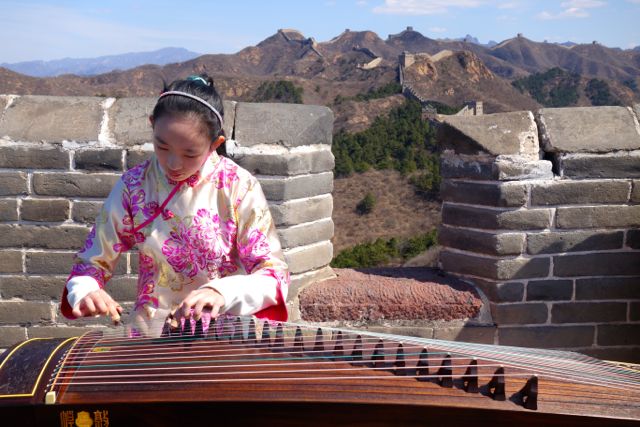
  • Chengde Mountain Resort is China’s secret

    Chengde Mountain Resort is China’s secret

    [et_pb_section fb_built=”1″ admin_label=”section” _builder_version=”4.16″ global_colors_info=”{}”][et_pb_row admin_label=”row” _builder_version=”4.16″ background_size=”initial” background_position=”top_left” background_repeat=”repeat” global_colors_info=”{}” column_structure=”3_4,1_4″][et_pb_column type=”3_4″ _builder_version=”4.16″ custom_padding=”|||” global_colors_info=”{}” custom_padding__hover=”|||”][et_pb_text admin_label=”Text” _builder_version=”4.16″ background_size=”initial” background_position=”top_left” background_repeat=”repeat” use_border_color=”off” border_color=”#ffffff” border_style=”solid” global_colors_info=”{}”]Mention the city of Chengde to Westerners and they reply, “Oh, the place with the pandas, right?” No, that’s Chengdu. Say “Chengde Mountain Resort,” and people assume it is a new hotel complex. No, it was built in the 1700s as a summer palace for the Qing emperors.
    [/et_pb_text][et_pb_image src=”https://journeyswithstephen.com/wp-content/uploads/2016/08/Prayer-bells-Putuo-Zongcheng-Temple-Chengde-China.jpg” alt=”Prayer bells Putuo Zongcheng Temple Chengde China” title_text=”Prayer bells Putuo Zongcheng Temple Chengde China” align_tablet=”center” align_last_edited=”on|desktop” admin_label=”Prayer bells Putuo Zongcheng Temple Chengde China” _builder_version=”4.16″ use_border_color=”off” border_color=”#ffffff” border_style=”solid” animation=”off” sticky=”off” always_center_on_mobile=”on” global_colors_info=”{}” align_phone=”center”][/et_pb_image][et_pb_text admin_label=”Text” _builder_version=”4.16″ background_size=”initial” background_position=”top_left” background_repeat=”repeat” use_border_color=”off” border_color=”#ffffff” border_style=”solid” global_colors_info=”{}”]Ask someone to find Chengde on a map, and they are surprised to see it is only about 250 km (155 miles) northeast of Beijing. Yet, I travel back and forth to Beijing for nearly 10 years before I ever set foot in Chengde. Why? Because it is one of China’s well-kept secrets.
    [/et_pb_text][et_pb_image src=”https://journeyswithstephen.com/wp-content/uploads/2016/08/Outlying-temple-Chengde-China.jpg” alt=”Outlying temple Chengde China” title_text=”Outlying temple Chengde China” align_tablet=”center” align_last_edited=”on|desktop” admin_label=”Outlying temple Chengde China” _builder_version=”4.16″ use_border_color=”off” border_color=”#ffffff” border_style=”solid” animation=”off” sticky=”off” always_center_on_mobile=”on” global_colors_info=”{}” align_phone=”center”][/et_pb_image][et_pb_text admin_label=”Text” _builder_version=”4.16″ background_size=”initial” background_position=”top_left” background_repeat=”repeat” use_border_color=”off” border_color=”#ffffff” border_style=”solid” global_colors_info=”{}”]Ask savvy travelers to list China’s UNESCO World Heritage Sites, and they will quickly name The Great Wall, Temple of Heaven, terracotta warriors and many others, without knowing that Chengde’s Mountain Resort and its Outlying Temples were recognized decades ago.

    Chengde gets so little respect that spell-check keeps telling me I have simply spelled Chengdu wrong. It is time for that to change. Starting here. So what are the rock stars of the Chengde (Hebei Province) region?
    [/et_pb_text][et_pb_image src=”https://journeyswithstephen.com/wp-content/uploads/2016/08/Chengde-Mountain-Resort-lake-pavilions-China.jpg” alt=”Chengde Mountain Resort lake pavilions China” title_text=”Chengde Mountain Resort lake pavilions China” align_tablet=”center” align_last_edited=”on|desktop” admin_label=”Chengde Mountain Resort lake pavilions China” _builder_version=”4.16″ use_border_color=”off” border_color=”#ffffff” border_style=”solid” animation=”off” sticky=”off” always_center_on_mobile=”on” global_colors_info=”{}” align_phone=”center”][/et_pb_image][et_pb_text admin_label=”Text” _builder_version=”4.16″ background_size=”initial” background_position=”top_left” background_repeat=”repeat” use_border_color=”off” border_color=”#ffffff” border_style=”solid” global_colors_info=”{}”]

    Chengde Mountain Resort

    This area is the largest imperial palace-garden and temple in all of China. Yes, there is the Summer Palace on the outskirts of Beijing, but this resort was built 300 years ago to escape the Beijing heat and provide a hunting grounds. Emperors of the Qing dynasty not only used the resort as a retreat, but also received diplomats from foreign countries here.
    [/et_pb_text][et_pb_image src=”https://journeyswithstephen.com/wp-content/uploads/2016/08/Chengde-Mountain-Resort-lake-China.jpg” alt=”Chengde Mountain Resort lake China” title_text=”Chengde Mountain Resort lake China” align_tablet=”center” align_last_edited=”on|desktop” admin_label=”Chengde Mountain Resort lake China” _builder_version=”4.16″ use_border_color=”off” border_color=”#ffffff” border_style=”solid” animation=”off” sticky=”off” always_center_on_mobile=”on” global_colors_info=”{}” align_phone=”center”][/et_pb_image][et_pb_text admin_label=”Text” _builder_version=”4.16″ background_size=”initial” background_position=”top_left” background_repeat=”repeat” use_border_color=”off” border_color=”#ffffff” border_style=”solid” global_colors_info=”{}”]The resort contains palace, lake, plain and mountain areas. The pavilions that surround the eight lakes are quite picturesque. The lakes freeze in the winter for ice skating, but this region is best visited during the warmer months of May through October. Allow a few hours to stroll through the considerable grounds.
    [/et_pb_text][et_pb_image src=”https://journeyswithstephen.com/wp-content/uploads/2016/08/Putuo-Zongcheng-temple-prayer-flags-Chengde-China.jpg” alt=”Putuo Zongcheng temple prayer flags Chengde China” title_text=”Putuo Zongcheng temple prayer flags Chengde China” align_tablet=”center” align_last_edited=”on|desktop” admin_label=”Putuo Zongcheng temple prayer flags Chengde China” _builder_version=”4.16″ use_border_color=”off” border_color=”#ffffff” border_style=”solid” animation=”off” sticky=”off” always_center_on_mobile=”on” global_colors_info=”{}” align_phone=”center”][/et_pb_image][et_pb_text admin_label=”Text” _builder_version=”4.16″ background_size=”initial” background_position=”top_left” background_repeat=”repeat” use_border_color=”off” border_color=”#ffffff” border_style=”solid” global_colors_info=”{}”]

    Outlying Temples

    Some of the 12 outlying temples recognized by UNESCO were built in the styles of ethnic minorities. This was done to foster relations with China’s many minorities.

    Most notable is Putuo Zongchengzhi, modeled after the Tibetan Potala Palace in Lhasa. It is the largest temple, covering some 220,000 square kilometers. Its Tibetan style is immediately noticeable.
    [/et_pb_text][et_pb_image src=”https://journeyswithstephen.com/wp-content/uploads/2016/08/Putuo-Zongcheng-Temple-Chengde-China.jpg” alt=”Putuo Zongcheng Temple Chengde China” title_text=”Putuo Zongcheng Temple Chengde China” align_tablet=”center” align_last_edited=”on|desktop” admin_label=”Putuo Zongcheng Temple Chengde China” _builder_version=”4.16″ use_border_color=”off” border_color=”#ffffff” border_style=”solid” animation=”off” sticky=”off” always_center_on_mobile=”on” global_colors_info=”{}” align_phone=”center”][/et_pb_image][et_pb_text admin_label=”Text” _builder_version=”4.16″ background_size=”initial” background_position=”top_left” background_repeat=”repeat” use_border_color=”off” border_color=”#ffffff” border_style=”solid” global_colors_info=”{}”]Lifan Yuan, a department to handle Mongolian and Tibetan affairs, among others, constructed eight of the temples. So you may hear the name “8 Outlying Temples” as well. Puning Temple is probably the second most visited of the temples. These amazing temples would be on everyone’s must-see list were they in a more-visited city.
    [/et_pb_text][et_pb_image src=”https://journeyswithstephen.com/wp-content/uploads/2016/08/Four-Harmonious-Friends-Chengde-China.jpg” alt=”Four Harmonious Friends Chengde China” title_text=”Four Harmonious Friends Chengde China” align_tablet=”center” align_last_edited=”on|desktop” admin_label=”Four Harmonious Friends Chengde China” _builder_version=”4.16″ use_border_color=”off” border_color=”#ffffff” border_style=”solid” animation=”off” sticky=”off” always_center_on_mobile=”on” global_colors_info=”{}” align_phone=”center”][/et_pb_image][et_pb_text admin_label=”Text” _builder_version=”4.16″ background_size=”initial” background_position=”top_left” background_repeat=”repeat” use_border_color=”off” border_color=”#ffffff” border_style=”solid” global_colors_info=”{}”]One of my favorite spots is the representation of the “Four Harmonious Friends” from Buddhist mythology. There are many accounts as to the meaning of the fable of these four animals and the nearby fruit tree. In one, they were deciding who was the oldest and therefore, wisest. The elephant remembered it as a tall tree. The monkey remembered climbing a young tree to get its fruit. The rabbit remembered munching on its leaves and fertilizing it as a sapling. But the bird remembered spitting out the seed from which the tree sprouted, so he was deemed the oldest and wisest. Still, they all needed each other, as various stories of the fable relate.
    [/et_pb_text][et_pb_image src=”https://journeyswithstephen.com/wp-content/uploads/2016/08/Puning-Temple-Chengde-China.jpg” alt=”Puning Temple Chengde China” title_text=”Puning Temple Chengde China” align_tablet=”center” align_last_edited=”on|desktop” admin_label=”Puning Temple Chengde China” _builder_version=”4.16″ use_border_color=”off” border_color=”#ffffff” border_style=”solid” animation=”off” sticky=”off” always_center_on_mobile=”on” global_colors_info=”{}” align_phone=”center”][/et_pb_image][et_pb_text admin_label=”Text” _builder_version=”4.16″ background_size=”initial” background_position=”top_left” background_repeat=”repeat” use_border_color=”off” border_color=”#ffffff” border_style=”solid” global_colors_info=”{}”]You should allow at least a half-day to appreciate Putuo Zongchengzhi and Puning. You can tell from the photographs there is much to be explored and embraced.

    The city of Chengde

    Chengde may be home to the Mountain Resort and Outlying Temples from the 1700s, but it is also a fast-growing, modern metropolis, like so many other Chinese cities. In 2016, it is reached primarily by a modern superhighway, about 3+ hours by bus or car from Beijing.
    [/et_pb_text][et_pb_image src=”https://journeyswithstephen.com/wp-content/uploads/2016/08/Guest-room-Jiahe-International-Hotel-Chengde-China.jpg” alt=”Guest room Jiahe International Hotel Chengde China” title_text=”Guest room Jiahe International Hotel Chengde China” align_tablet=”center” align_last_edited=”on|desktop” admin_label=”Guest room Jiahe International Hotel Chengde China” _builder_version=”4.16″ use_border_color=”off” border_color=”#ffffff” border_style=”solid” animation=”off” sticky=”off” always_center_on_mobile=”on” global_colors_info=”{}” align_phone=”center”][/et_pb_image][et_pb_text admin_label=”Text” _builder_version=”4.16″ background_size=”initial” background_position=”top_left” background_repeat=”repeat” use_border_color=”off” border_color=”#ffffff” border_style=”solid” global_colors_info=”{}”]We stay at the new Jiahe International Hotel, which is upscale on a budget. First-class rooms can be booked for less than US$100. Like many places in China, the facility is good-looking, but the service is still in a learning stage. We are there joining a group of about 200 Americans, but at the buffet breakfast the staff sets up one small coffeemaker for all 200 people. Few of us can pronounce “Jiahe” either, making it a curious name for an “international” hotel.
    [/et_pb_text][et_pb_image src=”https://journeyswithstephen.com/wp-content/uploads/2016/08/Junfeng-Paper-Cutting-Chengde-China.jpg” alt=”Junfeng Paper Cutting Chengde China” title_text=”Junfeng Paper Cutting Chengde China” align_tablet=”center” align_last_edited=”on|desktop” admin_label=”Junfeng Paper Cutting Chengde China” _builder_version=”4.16″ use_border_color=”off” border_color=”#ffffff” border_style=”solid” animation=”off” sticky=”off” always_center_on_mobile=”on” global_colors_info=”{}” align_phone=”center”][/et_pb_image][et_pb_text admin_label=”Text” _builder_version=”4.16″ background_size=”initial” background_position=”top_left” background_repeat=”repeat” use_border_color=”off” border_color=”#ffffff” border_style=”solid” global_colors_info=”{}”]One highlight of our city visit is the Junfeng Paper Cutting shop. We get a demonstration of the art of Chinese paper cutting, which dates back to the 6th century. This is the shop of Shi Junfeng, and her works for purchase here are some of the finest examples I have seen anywhere.
    [/et_pb_text][et_pb_video _builder_version=”4.21.2″ _module_preset=”default” src=”https://youtu.be/bIT0sWMV0EU” admin_label=”Performance at Jinshanling video” hover_enabled=”0″ sticky_enabled=”0″][/et_pb_video][et_pb_text admin_label=”Text” _builder_version=”4.16″ background_size=”initial” background_position=”top_left” background_repeat=”repeat” use_border_color=”off” border_color=”#ffffff” border_style=”solid” global_colors_info=”{}”]

    Gateway to Jinshanling Great Wall

    Just over an hour southwest from Chengde (and on the way to Beijing) lies the Jinshanling section of the Great Wall of China. It is one of my favorite sections – well preserved, part restored, part wild. It’s generally uncrowded, due to being more remote from Beijing than Badaling, Mutianyu, etc. And people of all ages can hike this section.

    You can learn more about this region in my post about U.S.-China Tourism. Now that the secret is out, does Chengde sound like a place you would want to visit? Feel free to comment at the bottom of this post.
    [/et_pb_text][et_pb_code admin_label=”Code for map” _builder_version=”4.21.2″ hover_enabled=”0″ saved_tabs=”all” global_colors_info=”{}” sticky_enabled=”0″][/et_pb_code][/et_pb_column][et_pb_column type=”1_4″ _builder_version=”4.16″ custom_padding=”|||” global_colors_info=”{}” custom_padding__hover=”|||”][et_pb_text admin_label=”Text” _builder_version=”4.16″ background_size=”initial” background_position=”top_left” background_repeat=”repeat” use_border_color=”off” border_color=”#ffffff” border_style=”solid” global_colors_info=”{}”]

    What’s upscale?

    Original large Chinese paper cuts are exquisite unique gifts for friends and family – I suggest lunar birth animals. They are also lightweight and easy to transport.

    What’s budget?

    Admission fees to these UNESCO attractions are reasonable, between US$10-20 and Jinshanling Great Wall tickets are even less.


    [/et_pb_text][et_pb_social_media_follow follow_button=”on” admin_label=”Social Media Follow” _builder_version=”4.16″ link_shape=”rounded_rectangle” saved_tabs=”all” global_colors_info=”{}”][et_pb_social_media_follow_network social_network=”instagram” url=”http://www.instagram.com/journeyswithstephen” _builder_version=”4.16″ background_color=”#517fa4″ bg_color=”#517fa4″ global_colors_info=”{}” follow_button=”on” url_new_window=”on”] Instagram [/et_pb_social_media_follow_network][et_pb_social_media_follow_network social_network=”twitter” url=”http://www.twitter.com/journeystephen” _builder_version=”4.16″ background_color=”#00aced” bg_color=”#00aced” global_colors_info=”{}” follow_button=”on” url_new_window=”on”] Twitter [/et_pb_social_media_follow_network][et_pb_social_media_follow_network social_network=”facebook” url=”http://www.facebook.com/journeyswithstephen” _builder_version=”4.16″ background_color=”#3b5998″ bg_color=”#3b5998″ global_colors_info=”{}” follow_button=”on” url_new_window=”on”] facebook [/et_pb_social_media_follow_network][/et_pb_social_media_follow][/et_pb_column][/et_pb_row][/et_pb_section]
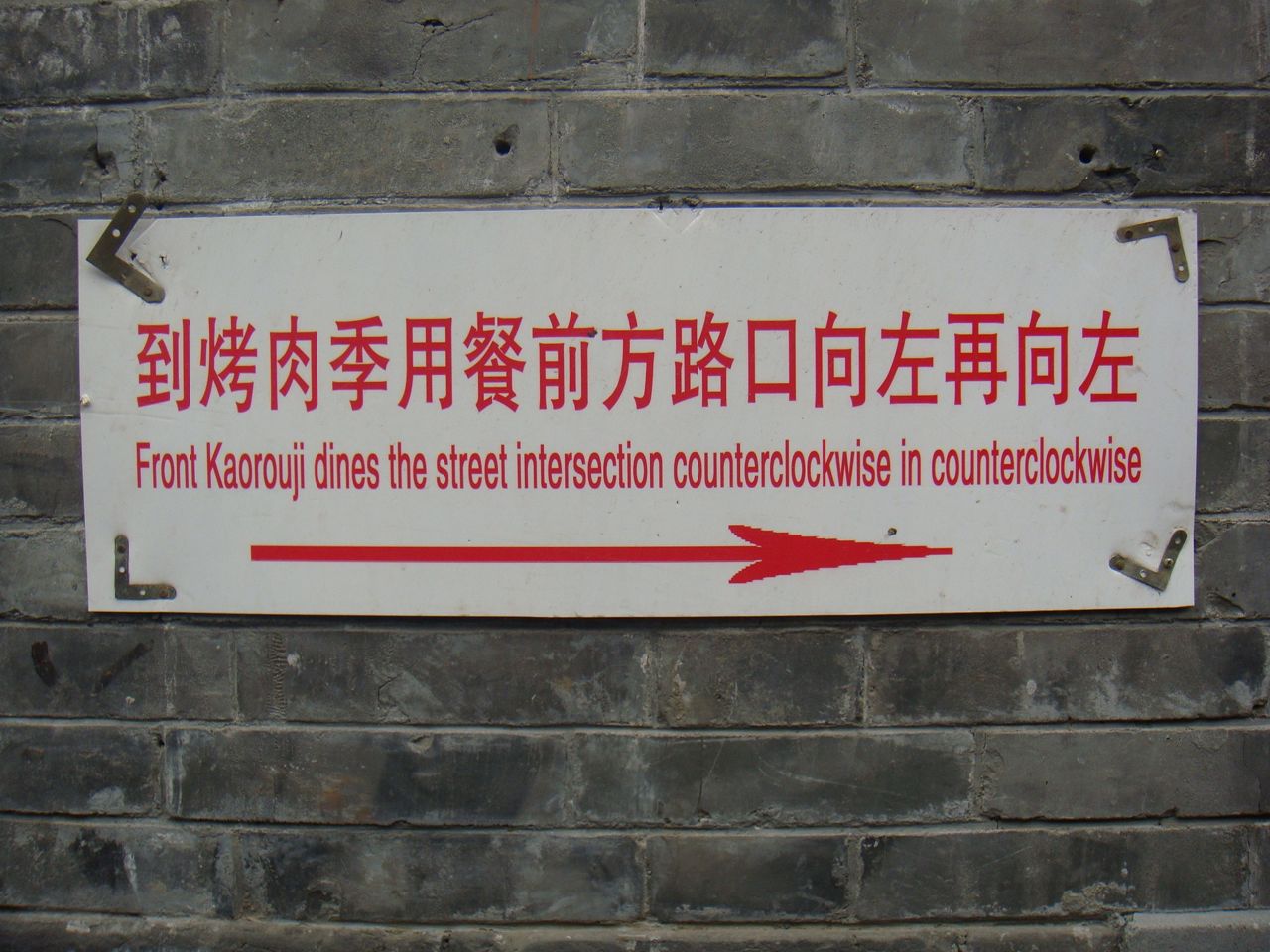
  • China – U.S. tourism ready to soar

    China – U.S. tourism ready to soar

    [et_pb_section fb_built=”1″ admin_label=”section” _builder_version=”4.16″ global_colors_info=”{}”][et_pb_row column_structure=”3_4,1_4″ admin_label=”row” _builder_version=”4.16″ background_size=”initial” background_position=”top_left” background_repeat=”repeat” global_colors_info=”{}”][et_pb_column type=”3_4″ _builder_version=”4.16″ custom_padding=”|||” global_colors_info=”{}” custom_padding__hover=”|||”][et_pb_text admin_label=”Text” _builder_version=”4.16″ background_size=”initial” background_position=”top_left” background_repeat=”repeat” use_border_color=”off” border_color=”#ffffff” border_style=”solid” global_colors_info=”{}”]Those L.V. and Michael Kors handbags going home with Chinese tourists every year represent more than half the exports the U.S. sends to China. Yes, 57% of U.S. exports to China are the money spent by the 2.5 million Chinese visitors. And nearly as many Americans are touring China each year.

    It’s no surprise that Presidents Xi and Obama declared 2016 to be the Year of China-U.S. Tourism. I was fortunate to be invited by the Chinese National Tourism Administration to the ceremonies that kicked off the year in China. The biggest event was held at the Jinshanling section of The Great Wall in late March, a few weeks after the beginning of the Year of the Monkey.
    [/et_pb_text][et_pb_image src=”https://journeyswithstephen.com/wp-content/uploads/2016/04/Jinshanling-tourism-launch-ceremony.jpg” alt=”Jinshanling tourism launch ceremony” title_text=”Jinshanling tourism launch ceremony” align_tablet=”center” align_phone=”center” align_last_edited=”on|desktop” admin_label=”Jinshanling tourism launch ceremony” _builder_version=”4.16″ use_border_color=”off” border_color=”#ffffff” border_style=”solid” animation=”off” sticky=”off” always_center_on_mobile=”on” global_colors_info=”{}”] [/et_pb_image][et_pb_text admin_label=”Text” _builder_version=”4.16″ background_size=”initial” background_position=”top_left” background_repeat=”repeat” use_border_color=”off” border_color=”#ffffff” border_style=”solid” global_colors_info=”{}”]A launch ceremony entitled “1,000 Americans visiting The Great Wall” featured hundreds of local dancers in traditional costumes, speeches by officials of both countries and even a warm-up routine from 2014 Olympic ice dancing gold medalists, Americans Meryl Davis and Charlie White.
    [/et_pb_text][et_pb_image src=”https://journeyswithstephen.com/wp-content/uploads/2016/04/Stephen-Henson-Meryl-Davis-Charlie-White.jpg” alt=”Stephen Henson Meryl Davis Charlie White” title_text=”Stephen Henson Meryl Davis Charlie White” align_tablet=”center” align_phone=”center” align_last_edited=”on|desktop” admin_label=”Stephen Henson Meryl Davis Charlie White” _builder_version=”4.16″ use_border_color=”off” border_color=”#ffffff” border_style=”solid” animation=”off” sticky=”off” always_center_on_mobile=”on” global_colors_info=”{}”] [/et_pb_image][et_pb_text admin_label=”Text” _builder_version=”4.16″ background_size=”initial” background_position=”top_left” background_repeat=”repeat” use_border_color=”off” border_color=”#ffffff” border_style=”solid” global_colors_info=”{}”]I have climbed various sections of the Great Wall dozens of times over the years, but this venue was special. The restored Jinshanling section in Hebei province is spectacular, as was the blue-sky day and the costumed locals playing traditional instruments high above the countryside. What a way to kick off a year of tourism.
    [/et_pb_text][et_pb_video src=”https://youtu.be/ig5FyDcvOzg” admin_label=”Jinshanling string instrument video” _builder_version=”4.21.2″ _module_preset=”default” global_colors_info=”{}”][/et_pb_video][et_pb_text admin_label=”Text” _builder_version=”4.16″ background_size=”initial” background_position=”top_left” background_repeat=”repeat” use_border_color=”off” border_color=”#ffffff” border_style=”solid” global_colors_info=”{}”]Only 6% of Chinese have passports and only 3% of those people visited the U.S. last year. Yet they spent about $24 billion. With a growing middle class anxious to travel abroad, it’s no wonder China is expected to become the largest source of inbound tourism for the U.S. within the next few years. And appropo that visas between the two countries now carry a 10-year term!

    For a decade I have been hosting Americans who are seeking a custom travel experience in China. On this most recent visit, courtesy of the CNTA and Air China, I discovered even more places to take my fellow Americans.
    [/et_pb_text][et_pb_image src=”https://journeyswithstephen.com/wp-content/uploads/2016/04/Chengde-China-temple-travel-group.jpg” alt=”Chengde China temple travel group” title_text=”Chengde China temple travel group” align_tablet=”center” align_phone=”center” align_last_edited=”on|desktop” admin_label=”Chengde China temple travel group” _builder_version=”4.16″ use_border_color=”off” border_color=”#ffffff” border_style=”solid” animation=”off” sticky=”off” always_center_on_mobile=”on” global_colors_info=”{}”] [/et_pb_image][et_pb_text admin_label=”Text” _builder_version=”4.16″ background_size=”initial” background_position=”top_left” background_repeat=”repeat” use_border_color=”off” border_color=”#ffffff” border_style=”solid” global_colors_info=”{}”]I was part of a group of just 15 interesting people in the travel business from cities across the U.S. We spent a week together primarily in Beijing and Chengde, along with other Hebei cities. I had never been to where The Great Wall actually begins at the Bohai Sea, called Laolongtou or “Old Dragon’s Head.” If you imagine the shape of the Wall as it sprawls across northern China as a giant dragon, then this would be its head.
    [/et_pb_text][et_pb_image src=”https://journeyswithstephen.com/wp-content/uploads/2016/04/China-Great-Wall-Laolongtou.jpg” alt=”China Great Wall Laolongtou” title_text=”China Great Wall Laolongtou” align_tablet=”center” align_phone=”center” align_last_edited=”on|desktop” admin_label=”China Great Wall Laolongtou” _builder_version=”4.16″ use_border_color=”off” border_color=”#ffffff” border_style=”solid” animation=”off” sticky=”off” always_center_on_mobile=”on” global_colors_info=”{}”] [/et_pb_image][et_pb_text admin_label=”Text” _builder_version=”4.16″ background_size=”initial” background_position=”top_left” background_repeat=”repeat” use_border_color=”off” border_color=”#ffffff” border_style=”solid” global_colors_info=”{}”]Nearby is another famous section of The Great Wall, Shanhaiguan, which translates to mountain-sea-pass. Built in 1381 during the Ming Dynasty, this was one of the most significant and heavily fortified passes in China. It is also known as Tianxia Diyi Guan or “First Pass Under Heaven.”
    [/et_pb_text][et_pb_image src=”https://journeyswithstephen.com/wp-content/uploads/2016/04/Shanhaiguan-Great-Wall-China.jpg” alt=”Shanhaiguan Great Wall China” title_text=”Shanhaiguan Great Wall China” align_tablet=”center” align_phone=”center” align_last_edited=”on|desktop” admin_label=”Shanhaiguan Great Wall China” _builder_version=”4.16″ use_border_color=”off” border_color=”#ffffff” border_style=”solid” animation=”off” sticky=”off” always_center_on_mobile=”on” global_colors_info=”{}”] [/et_pb_image][et_pb_text admin_label=”Text” _builder_version=”4.16″ background_size=”initial” background_position=”top_left” background_repeat=”repeat” use_border_color=”off” border_color=”#ffffff” border_style=”solid” global_colors_info=”{}”]I think it is fine for Westerners on a first trip to China to confine themselves to a Great Wall visit near Beijing, probably Mutianyu, but there are some amazing sections to be explored on subsequent visits! Read more about those in a future post.

    Surprisingly, this was also my first visit to Chengde, despite its close proximity to Beijing, only about 3 hours away by bus on a very good highway. In a few years, given China’s propensity for building out infrastructure, there will also be both high-speed rail and an airport.
    [/et_pb_text][et_pb_image src=”https://journeyswithstephen.com/wp-content/uploads/2016/04/Chengde-China-mayor-secretary-Stephen-Henson.jpg” alt=”Chengde China mayor-secretary-Stephen Henson” title_text=”Chengde China mayor-secretary-Stephen Henson” align_tablet=”center” align_phone=”center” align_last_edited=”on|desktop” admin_label=”Chengde China mayor-secretary-Stephen Henson” _builder_version=”4.16″ use_border_color=”off” border_color=”#ffffff” border_style=”solid” animation=”off” sticky=”off” always_center_on_mobile=”on” global_colors_info=”{}”] [/et_pb_image][et_pb_text admin_label=”Text” _builder_version=”4.16″ background_size=”initial” background_position=”top_left” background_repeat=”repeat” use_border_color=”off” border_color=”#ffffff” border_style=”solid” global_colors_info=”{}”]I was fortunate to speak with the mayor and the party secretary of Chengde, as well as many other officials during our days (and many banquets and baijiu toasts) there. At the heart is the Chengde Mountain Resort, an expansive complex built during the 1700s as the Qing Dynasty’s Summer Palace. This UNESCO World Heritage Site offered a reprieve from the heat of Beijing.
    [/et_pb_text][et_pb_image src=”https://journeyswithstephen.com/wp-content/uploads/2016/04/China-Chengde-Mountain-Resort.jpg” alt=”China Chengde Mountain Resort” title_text=”China Chengde Mountain Resort” align_tablet=”center” align_phone=”center” align_last_edited=”on|desktop” admin_label=”China Chengde Mountain Resort” _builder_version=”4.16″ use_border_color=”off” border_color=”#ffffff” border_style=”solid” animation=”off” sticky=”off” always_center_on_mobile=”on” global_colors_info=”{}”] [/et_pb_image][et_pb_text admin_label=”Text” _builder_version=”4.16″ background_size=”initial” background_position=”top_left” background_repeat=”repeat” use_border_color=”off” border_color=”#ffffff” border_style=”solid” global_colors_info=”{}”]As if the Resort weren’t enough reason to visit Chengde, the Outlying Temples provide the clincher. Together, they are largest imperial palace-garden and temple complex in China. I will devote another post entirely to this impressive and historic site.

    As we like to say, China is a big country, with a great deal to experience. The same can be said for the United States. I recently hosted Chinese travelers to places as diverse as Las Vegas and The Grand Canyon (40% of Chinese tourists to the U.S. visit a national park). Despite some of the challenges of language I write about here, travel embraces understanding and brings our cultures closer together. The Year of China-U.S. Tourism supports these efforts.
    [/et_pb_text][/et_pb_column][et_pb_column type=”1_4″ _builder_version=”4.16″ custom_padding=”|||” global_colors_info=”{}” custom_padding__hover=”|||”][et_pb_text admin_label=”Text” _builder_version=”4.16″ background_size=”initial” background_position=”top_left” background_repeat=”repeat” use_border_color=”off” border_color=”#ffffff” border_style=”solid” global_colors_info=”{}”]

    What’s upscale?

    I always try to stay at the Westin Financial Street in Beijing, with a hotel tower and executive residence tower and the finest staff.

    The Jiahe International Hotel in Chengde is a Chinese hotel offering a true 4-star experience (except for coffee).

    What’s budget?

    Visits to The Great Wall, the Chengde Mountain Resort and most other Chinese landmarks are quite reasonably priced to attract a mass audience.


    [/et_pb_text][et_pb_social_media_follow follow_button=”on” admin_label=”Social Media Follow” _builder_version=”4.16″ link_shape=”rounded_rectangle” saved_tabs=”all” global_colors_info=”{}”][et_pb_social_media_follow_network social_network=”instagram” url=”http://www.instagram.com/journeyswithstephen” _builder_version=”4.16″ background_color=”#517fa4″ bg_color=”#517fa4″ global_colors_info=”{}” follow_button=”on” url_new_window=”on”] Instagram [/et_pb_social_media_follow_network][et_pb_social_media_follow_network social_network=”twitter” url=”http://www.twitter.com/journeystephen” _builder_version=”4.16″ background_color=”#00aced” bg_color=”#00aced” global_colors_info=”{}” follow_button=”on” url_new_window=”on”] Twitter [/et_pb_social_media_follow_network][et_pb_social_media_follow_network social_network=”facebook” url=”http://www.facebook.com/journeyswithstephen” _builder_version=”4.16″ background_color=”#3b5998″ bg_color=”#3b5998″ global_colors_info=”{}” follow_button=”on” url_new_window=”on”] facebook [/et_pb_social_media_follow_network][/et_pb_social_media_follow][/et_pb_column][/et_pb_row][/et_pb_section]

  • Welcome to China, where you can’t speak, read or write

    Welcome to China, where you can’t speak, read or write

    [et_pb_section admin_label=”section”][et_pb_row admin_label=”row”][et_pb_column type=”3_4″][et_pb_text admin_label=”Text” background_layout=”light” text_orientation=”left” use_border_color=”off” border_color=”#ffffff” border_style=”solid”]

    I love China. I was on one of my early trips there, and the task was pretty straightforward: walk from my hotel to the nearest subway and ride it to my company’s office. I already knew that I couldn’t take a taxi in Beijing without being able to speak Chinese, but I wasn’t worried.

    For taxis, foreigners usually need someone to write down the destination address in Chinese characters on a slip of paper to hand to the taxi driver. The drivers don’t read maps either, so pointing to a spot on one is fruitless. If they get lost, they call a buddy for help. Now there are apps to show the address in Chinese from your phone – but even the app isn’t always correct, as streets keep changing. I know; I have used an app and been taken to the wrong place more than once.

    [/et_pb_text][et_pb_image admin_label=”Chinese you are here sign” src=”https://journeyswithstephen.com/wp-content/uploads/2015/09/Chinese-you-are-here-sign.jpg” alt=”Chinese you are here sign” title_text=”Chinese you are here sign” show_in_lightbox=”off” url_new_window=”off” use_overlay=”off” animation=”off” sticky=”off” align=”left” force_fullwidth=”off” always_center_on_mobile=”on” use_border_color=”off” border_color=”#ffffff” border_style=”solid”] [/et_pb_image][et_pb_text admin_label=”Text” background_layout=”light” text_orientation=”left” use_border_color=”off” border_color=”#ffffff” border_style=”solid”]

    Fear not, I had been studying conversational Mandarin for a few months and could master some simple sentences in case I got lost. Which I did. My map, entirely in Chinese characters (which I don’t read), indicated the subway station should be close by, but I saw no signs. Of course the street signs are also only in Chinese, but I was looking for the little blue subway logo. Where was it?

    As the mid-morning sun beat down on me in my dark suit and no longer crisp white shirt, I sought the answer. I would duck into the nearby air-conditioned department store and simply ask someone. And I knew how to say it! “Laojia, ditian zhan zai nar?” Literally, “Excuse me, subway station is where?”

    [/et_pb_text][et_pb_image admin_label=”Beijing subway station sign” src=”https://journeyswithstephen.com/wp-content/uploads/2015/09/Beijing-subway-station-sign.jpg” alt=”Beijing subway station sign” title_text=”Beijing subway station sign” show_in_lightbox=”off” url_new_window=”off” use_overlay=”off” animation=”off” sticky=”off” align=”left” force_fullwidth=”off” always_center_on_mobile=”on” use_border_color=”off” border_color=”#ffffff” border_style=”solid”] [/et_pb_image][et_pb_text admin_label=”Text” background_layout=”light” text_orientation=”left” use_border_color=”off” border_color=”#ffffff” border_style=”solid”]

    As expected, none of the sales clerks spoke English. What I didn’t expect was that no one understood a word I was saying. Should I speak more slowly? Louder? Use hand gestures?

    Well folks, the culture shock we feel going to China versus most tourist spots in the world, is that you are truly illiterate. You can’t speak, listen, read, or write. And English really isn’t a second language, like in much of the Western world. Yes, kids study English in school and have to pass a test to get into college. But the emphasis is on reading and writing, and of course they forget even a lot of that over time. The average person simply does not speak a word of English.

    The conversational difficulties are exacerbated by the Chinese tonal system. Every syllable essentially can be pronounced up to 4 different ways, yielding 4 different meanings. Hey, not that English is easy. Try saying this out loud: “Put some clothes on that animal. I can’t bear to see a bare bear!” We understand it because the words are in context.

    [/et_pb_text][et_pb_image admin_label=”Chinese hair salon sign translated” src=”https://journeyswithstephen.com/wp-content/uploads/2015/09/Chinese-hair-salon-sign-translated.jpg” alt=”Chinese hair salon sign translated” title_text=”Chinese hair salon sign translated” show_in_lightbox=”off” url_new_window=”off” use_overlay=”off” animation=”off” sticky=”off” align=”left” force_fullwidth=”off” always_center_on_mobile=”on” use_border_color=”off” border_color=”#ffffff” border_style=”solid”] [/et_pb_image][et_pb_text admin_label=”Text” background_layout=”light” text_orientation=”left” use_border_color=”off” border_color=”#ffffff” border_style=”solid”]

    Here I was in a department store, where they expected me to be asking for men’s clothing or shoes, and instead I was saying something else. Maybe the puzzled looks were just over a Caucasian speaking Chinese.

    Finally, a customer who spoke some English interpreted my request. “Oh, you mean ditian (subway).” “Yeah, that’s what I’ve been saying.” It turns out that one of the many station entrances was less than 50 meters out the door. They pointed me in the right direction.

    I’m not alone in discovering this culture shock. Deborah Fallows has written a fabulous book about it, “Dreaming in Chinese.” My favorite story was of her walking into a Taco Bell and asking if they have dabao (takeout). They were confused to have a lady asking for a “big hug” or a newspaper or if there was a hail storm outside. Oh well.

    [/et_pb_text][et_pb_image admin_label=”Beijing subway route map” src=”https://journeyswithstephen.com/wp-content/uploads/2015/09/Beijing-subway-route-map.jpg” alt=”Beijing subway route map” title_text=”Beijing subway route map” show_in_lightbox=”off” url_new_window=”off” use_overlay=”off” animation=”off” sticky=”off” align=”left” force_fullwidth=”off” always_center_on_mobile=”on” use_border_color=”off” border_color=”#ffffff” border_style=”solid”] [/et_pb_image][et_pb_text admin_label=”Text” background_layout=”light” text_orientation=”left” use_border_color=”off” border_color=”#ffffff” border_style=”solid”]

    I don’t mean to scare the first-time visitor. Actually, there is an alphabet-based equivalent to the Chinese characters, called pinyin, which helps. I wrote the Chinese sentence above, “Laojia, ditian zhan zai nar?” using pinyin. The subways in major cities list every stop in pinyin, and the nice lady on the speaker says them aloud in an English sentence. “Next stop Fuxingmen.” They are not hard to maneuver.

    Even on an escalator you might hear the recorded voice say in English, “Please hold the handrail and get off” (in case you don’t know how to ride an escalator).

    Big hotels usually have English-speaking staff who can help in numerous ways.

    [/et_pb_text][et_pb_image admin_label=”Beijing menu sign mutton” src=”https://journeyswithstephen.com/wp-content/uploads/2015/09/Beijing-menu-sign-mutton.jpg” alt=”Beijing menu sign mutton” title_text=”Beijing menu sign mutton” show_in_lightbox=”off” url_new_window=”off” use_overlay=”off” animation=”off” sticky=”off” align=”left” force_fullwidth=”off” always_center_on_mobile=”on” use_border_color=”off” border_color=”#ffffff” border_style=”solid”] [/et_pb_image][et_pb_text admin_label=”Text” background_layout=”light” text_orientation=”left” use_border_color=”off” border_color=”#ffffff” border_style=”solid”]

    And menus often have pictures, which we know are worth a thousand words that we can’t read. That’s a real help in China that I wish more countries would adopt. One time in Paris I thought I was ordering a veal chop in French, but wound up with a plate of calves’ brains. A picture would have helped a lot.

    So, go with it. Language challenges are part of the adventure – and make for interesting tales to recount later.

    This story is one that appears in the mini version of my upcoming eBook, Pearls of Wisdom about China. You can read some others simply by signing up below for the free newsletter.

    [/et_pb_text][/et_pb_column][et_pb_column type=”1_4″][et_pb_text admin_label=”Text” background_layout=”light” text_orientation=”left” use_border_color=”off” border_color=”#ffffff” border_style=”solid”]

    What’s upscale?

    Staying at luxury Western hotels generally increases your chances of having English-speaking staff who can help translate (and gladly help you practice your Chinese).

    What’s budget?

    All those transportation methods. Taxis are usually reasonable in China and subways are downright cheap (and fun).


    [/et_pb_text][et_pb_social_media_follow admin_label=”Social Media Follow” link_shape=”rounded_rectangle” background_layout=”light” url_new_window=”on” follow_button=”on” saved_tabs=”all”] [et_pb_social_media_follow_network social_network=”instagram” url=”http://www.instagram.com/journeyswithstephen” skype_action=”call” bg_color=”#517fa4″] Instagram [/et_pb_social_media_follow_network][et_pb_social_media_follow_network social_network=”twitter” url=”http://www.twitter.com/journeystephen” skype_action=”call” bg_color=”#00aced”] Twitter [/et_pb_social_media_follow_network][et_pb_social_media_follow_network social_network=”facebook” url=”http://www.facebook.com/journeyswithstephen” skype_action=”call” bg_color=”#3b5998″] facebook [/et_pb_social_media_follow_network] [/et_pb_social_media_follow][/et_pb_column][/et_pb_row][/et_pb_section]