

200 travel bucket list ideas – #1 – 50
Travel seems to hold a special place in the hearts and minds of most of us, whether it is the vacation to get away from work or the lifetime memory created by visiting a special place or having a unique experience. Stephen’s 200 travel bucket list ideas are a result of my own personal memory-makers from a lifetime of travel to 54 countries.
Most of these represent something I very much wanted to do and was able to “cross off the list.” And considering the places I haven’t visited, it is a never-ending list. It is meant to give you some ideas as you dream about journeys you might take. Nearly all of these represent experiences that can still be done in one form or another.
It is a long list with a lot of photos, so I have segmented the article into four parts, each one with links to the other three. It is my hope that something on the list inspires you to make your own travel memory.
Travel bucket list ideas # 1 – 50:
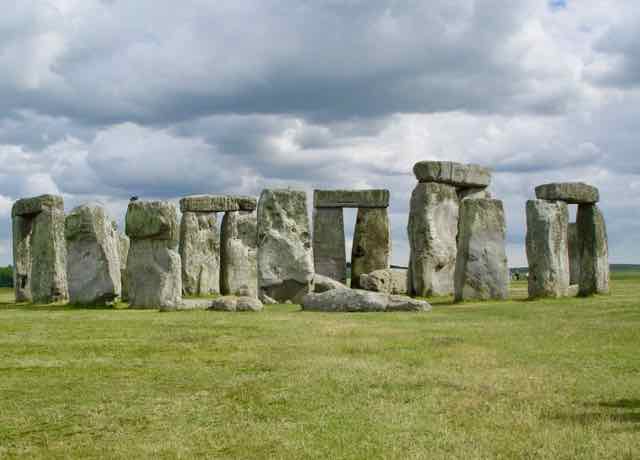
1. Visit the 5000-year-old monument, Stonehenge, on Summer Solstice, in Wiltshire, England
2. Hike through the “Avatar-like” landscape of the mountains of Huangshan, China

3. Discover the magnificent, turquoise tiered waterfalls of Kuang Si, Laos

4. Watch a cheetah stalk and devour its prey, on safari, at Samburu Reserve, Kenya

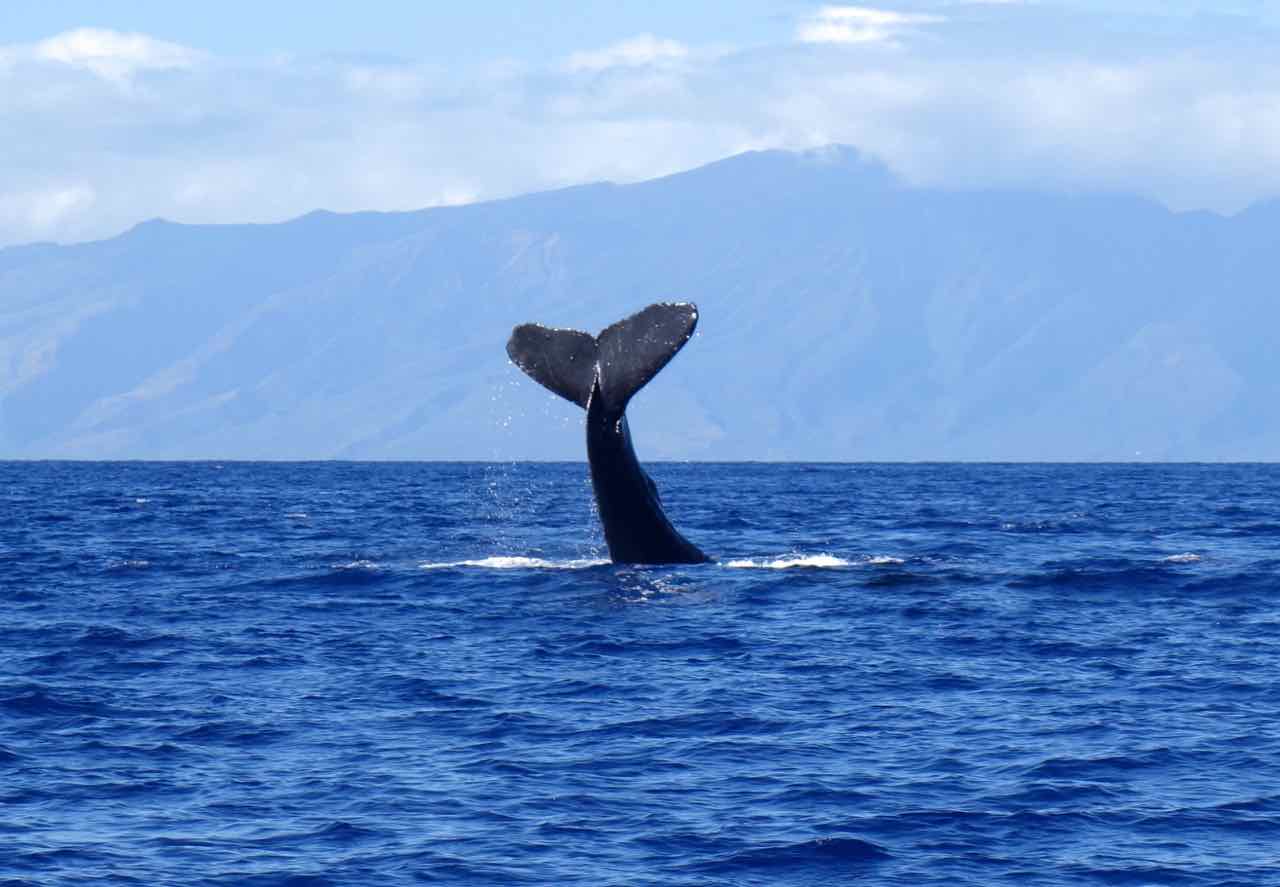
5. Navigate around the thunderous splash of a Humpback whale off Lahaina, Maui
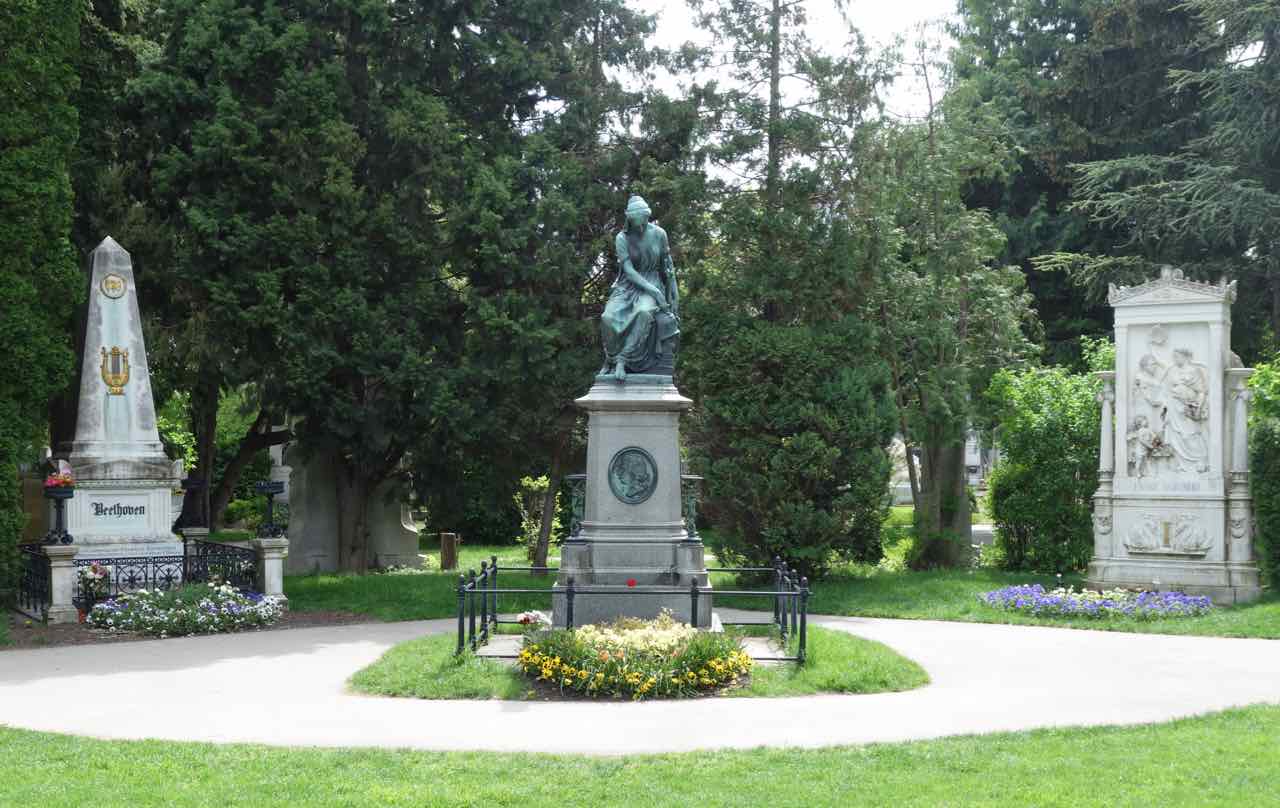
6. Pay respects at the graves of Beethoven, Schubert, Strauss, and Brahms, in Vienna, Austria
7. Hug a furry, 30kg panda on your lap, one of just 2,000 pandas in the world, in Chengdu, China

While you can’t actually hold a panda in your lap anymore, there are plenty of places to see pandas worldwide.
8. Ride a train to the “top of Europe” at 11,000 feet (3,400m) at Jungfraujoch, Switzerland

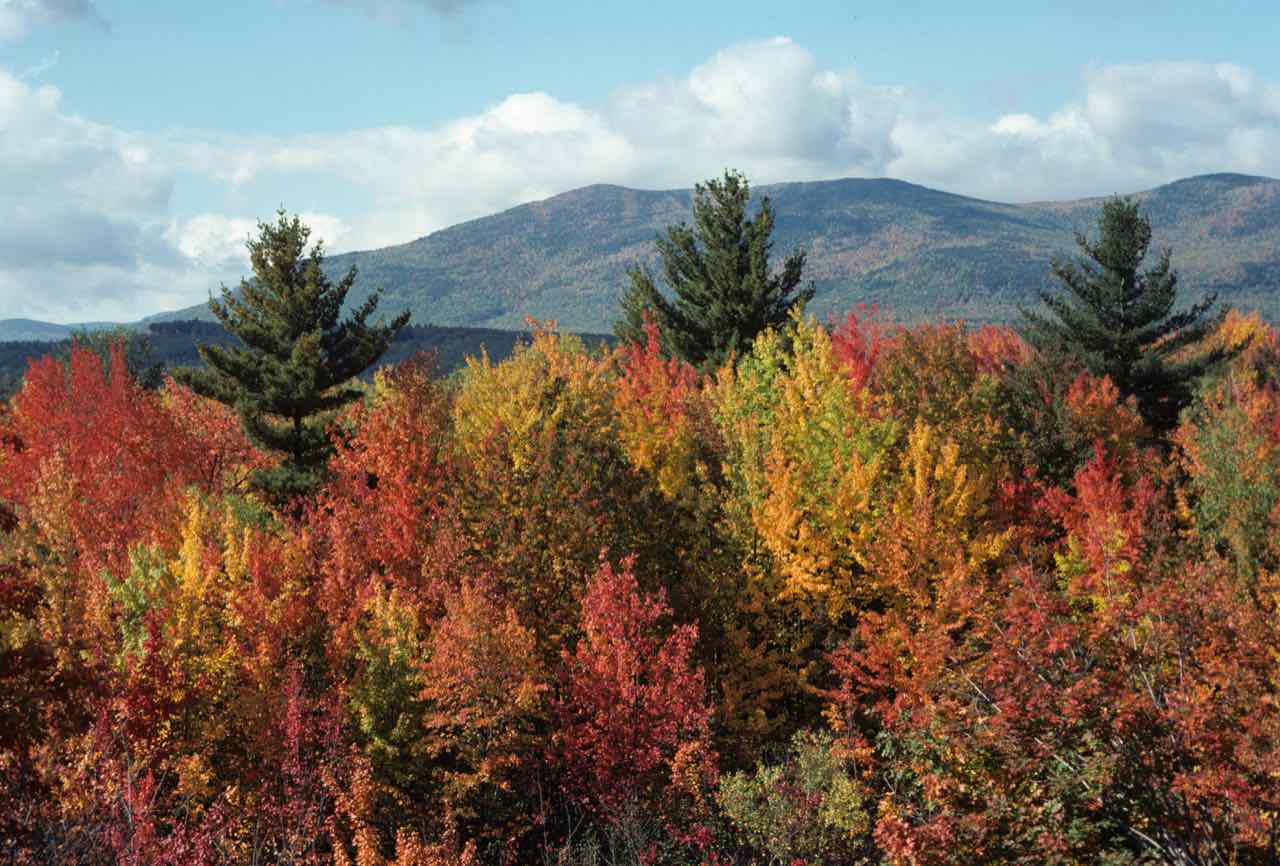
9. Enjoy the brilliant autumn foliage colors along the Kancamagus Highway, New Hampshire
10. Hike to King Ludwig’s fairy tale Neuschwanstein Castle, in Bavaria, Germany

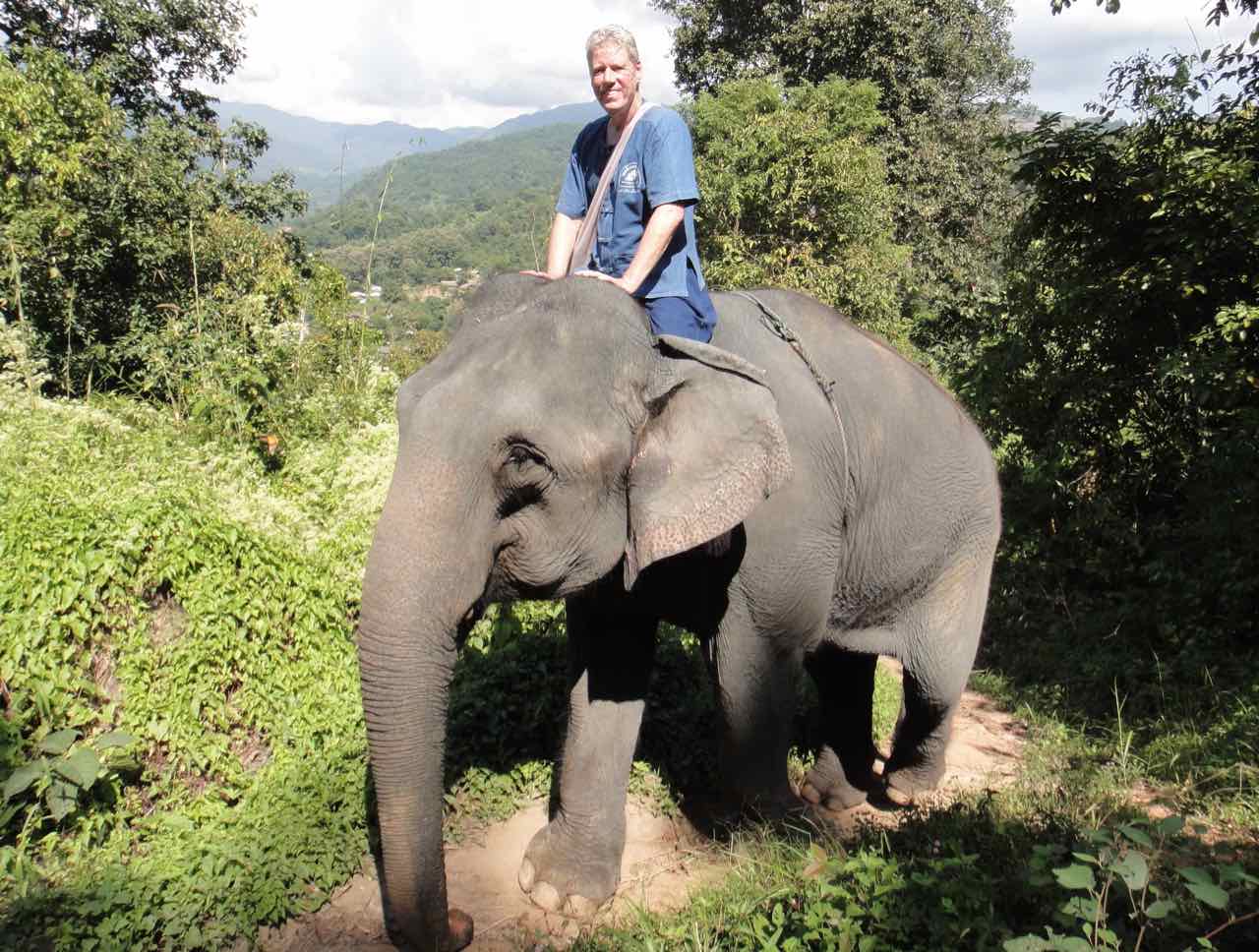
11. Ride an elephant through jungle and streams and give it a mud bath, Chiang Mai, Thailand
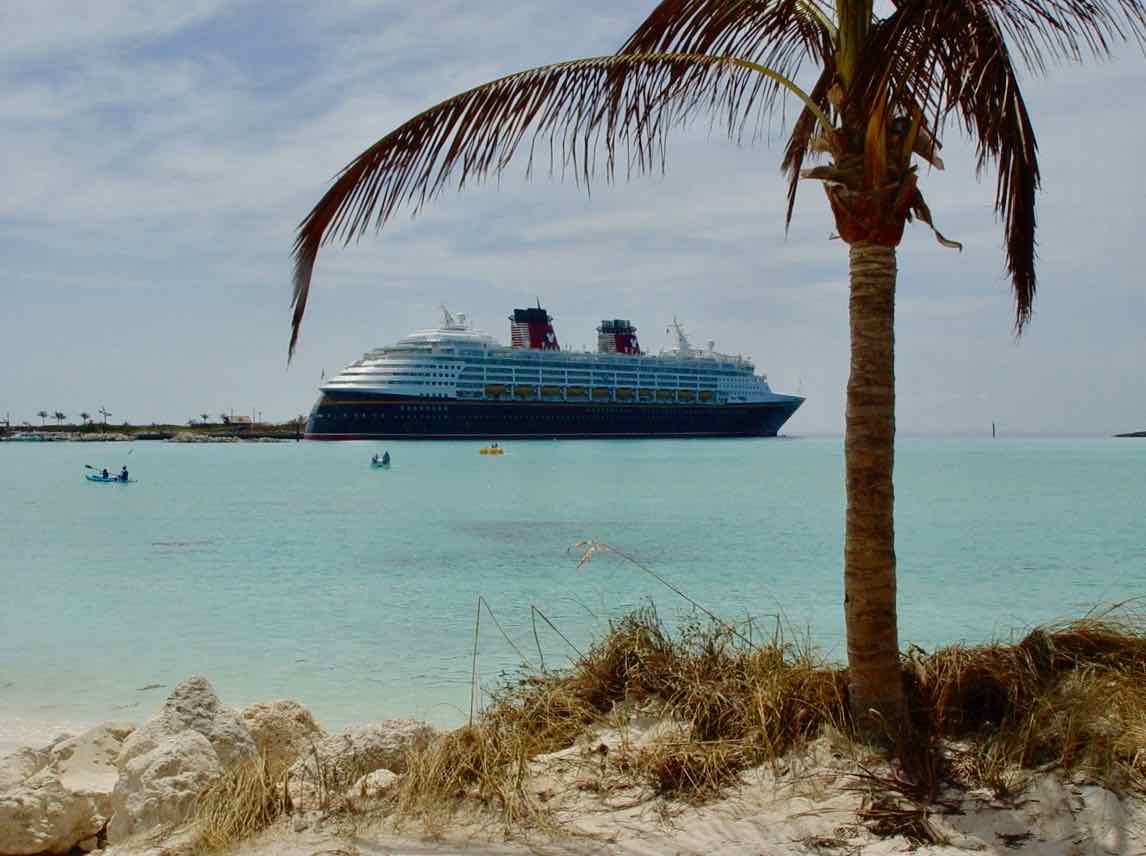
12. Take a cruise ship to Disney’s private island, Castaway Cay, Bahamian Islands
13. Visit the magnificent, still-unfinished La Sagrada Familia, Barcelona, Spain

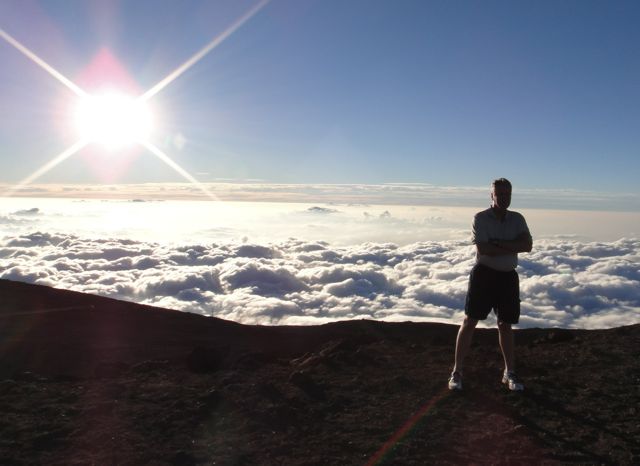
14. Watch the sunset and full moon rise simultaneously above the clouds, Haleakala, Maui
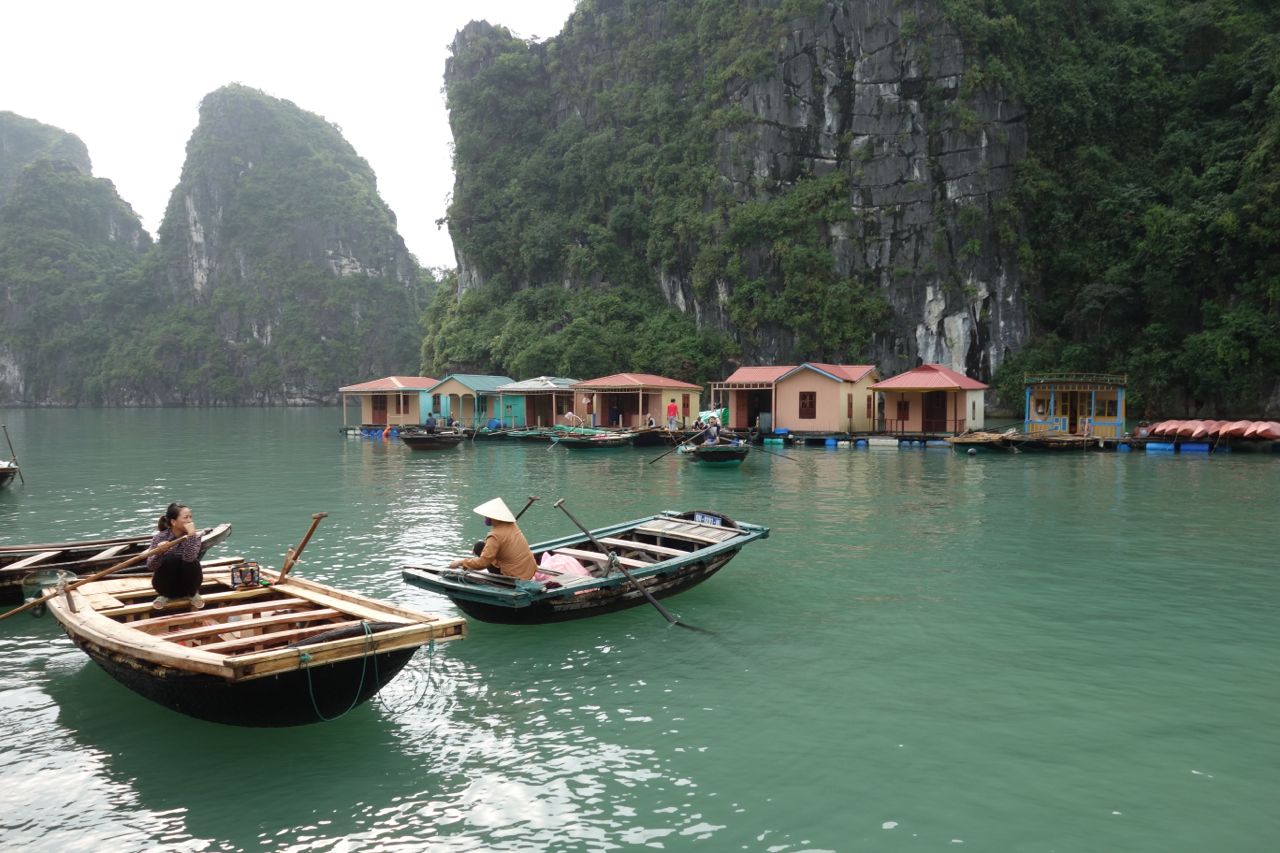
15. Take an overnight cruise on a small junk to a pearl farm in Bai Tu Long Bay, Vietnam
16. Explore the astonishing colorful rock formations at Secret Canyon, near Page, Arizona

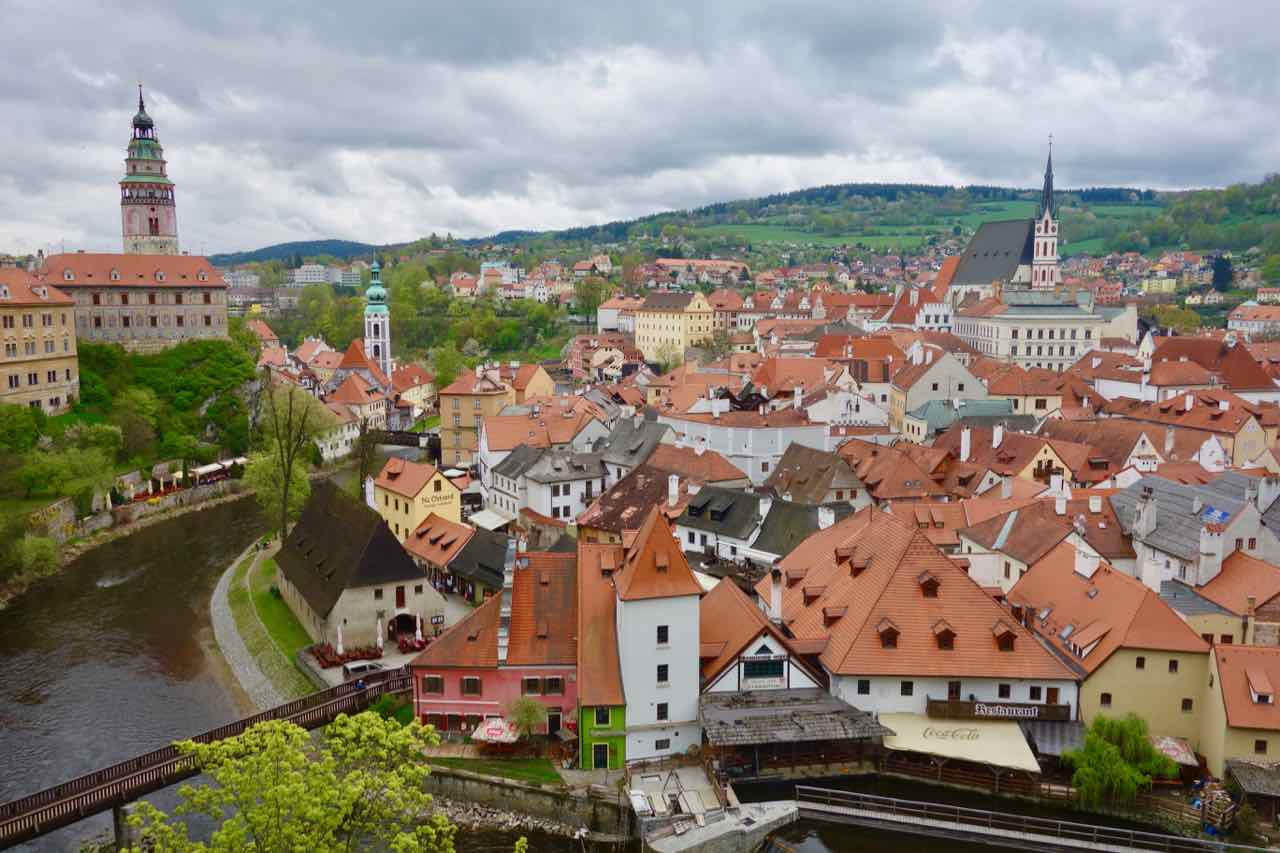
17. Gaze down at the picturesque city from the castle in Cesky Krumlov, Czech Republic
18. Explore numerous ancient temples throughout Angkor Wat, Cambodia

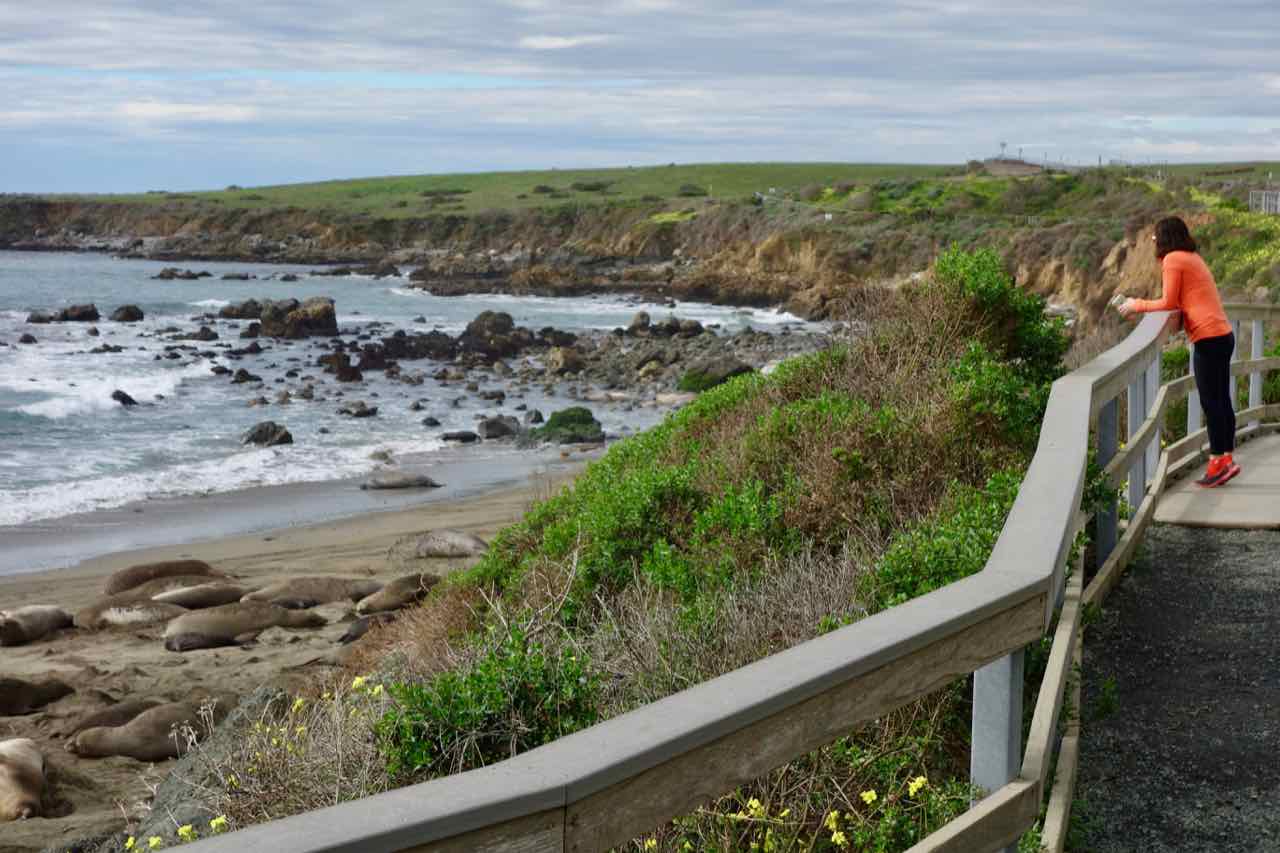
19. Encounter hundreds of elephant seals lumbering onto the beach near Cambria, California
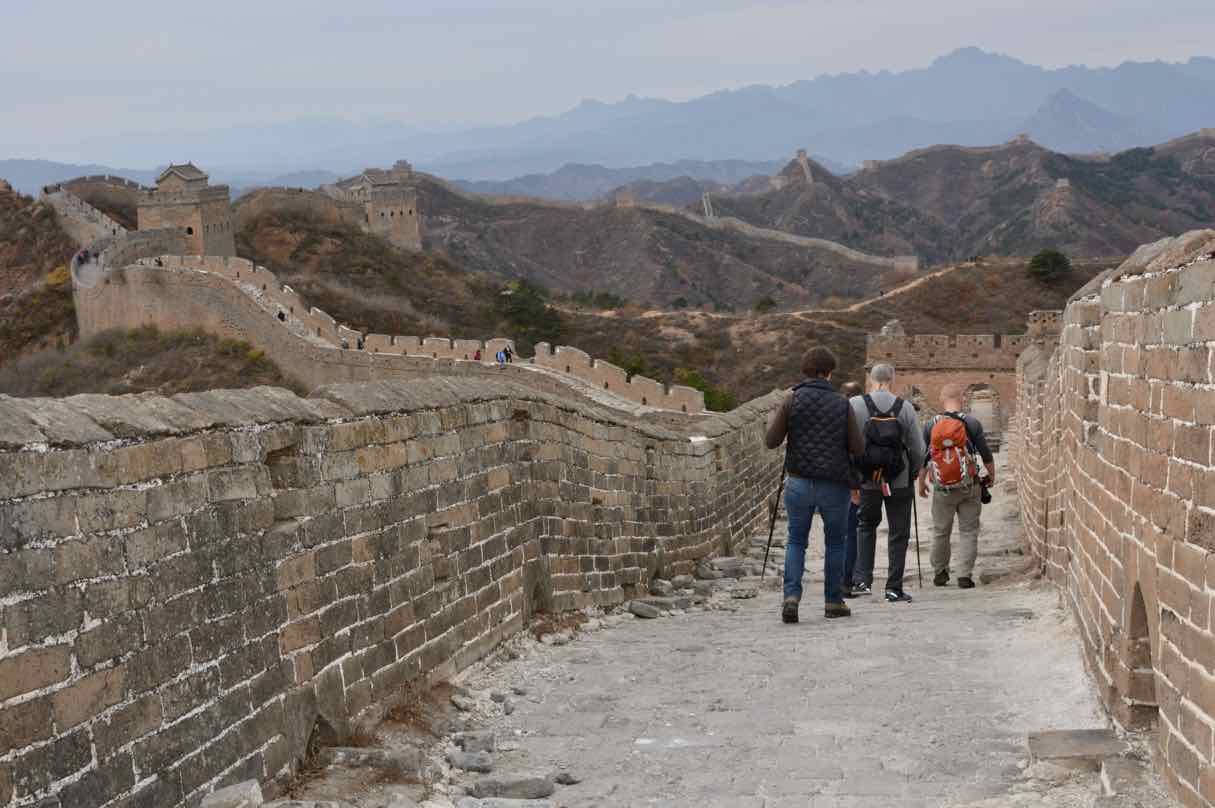
20. Hike up and down the largely unrestored section of the Great Wall at Simitai, China
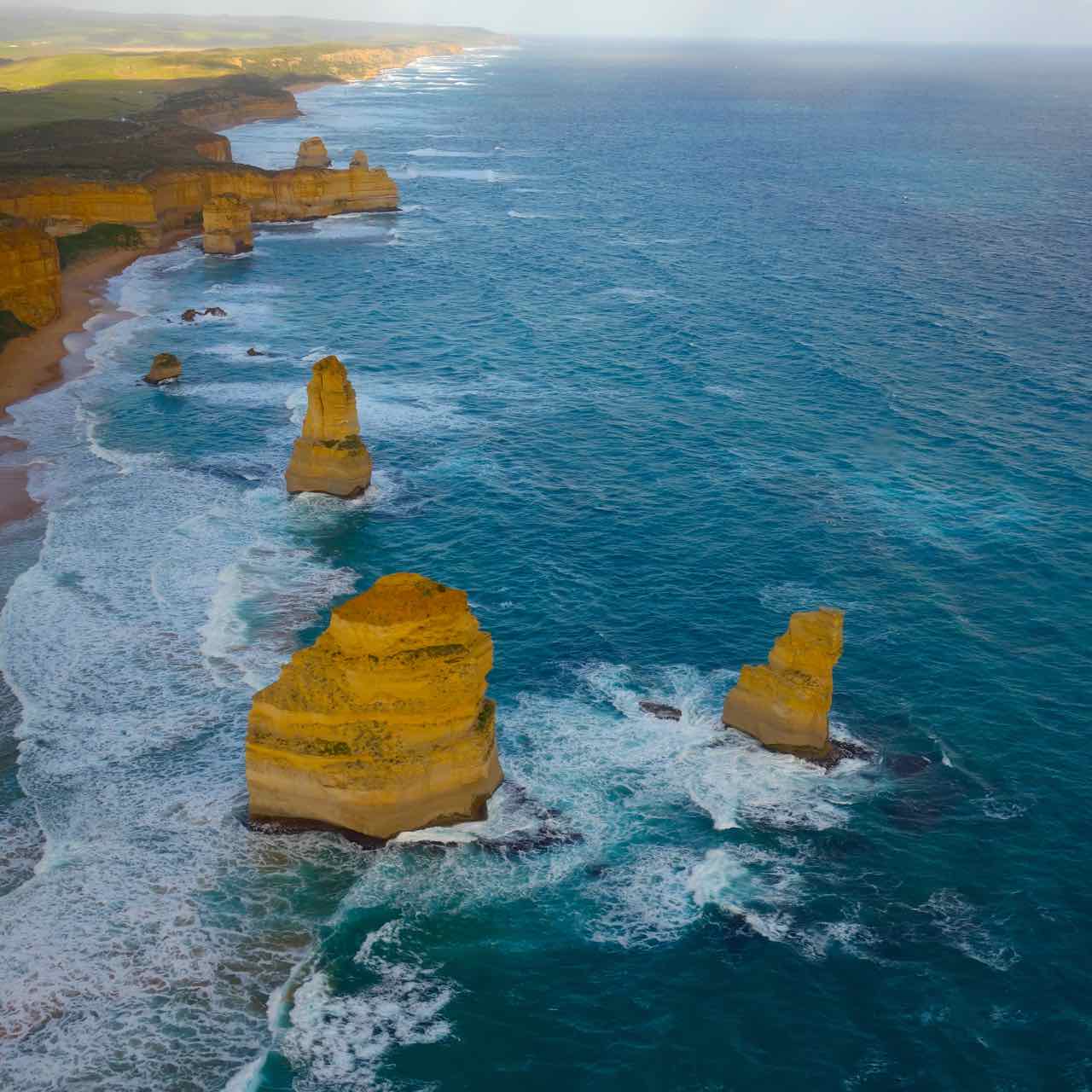
21. Ride in a helicopter over The Twelve Apostles rock formations, Victoria, Australia
22. Watch history come alive aside Vasa, a real 17th century warship, Stockholm, Sweden

23. Step back in time to explore the many mystical temples of Bagan, Myanmar

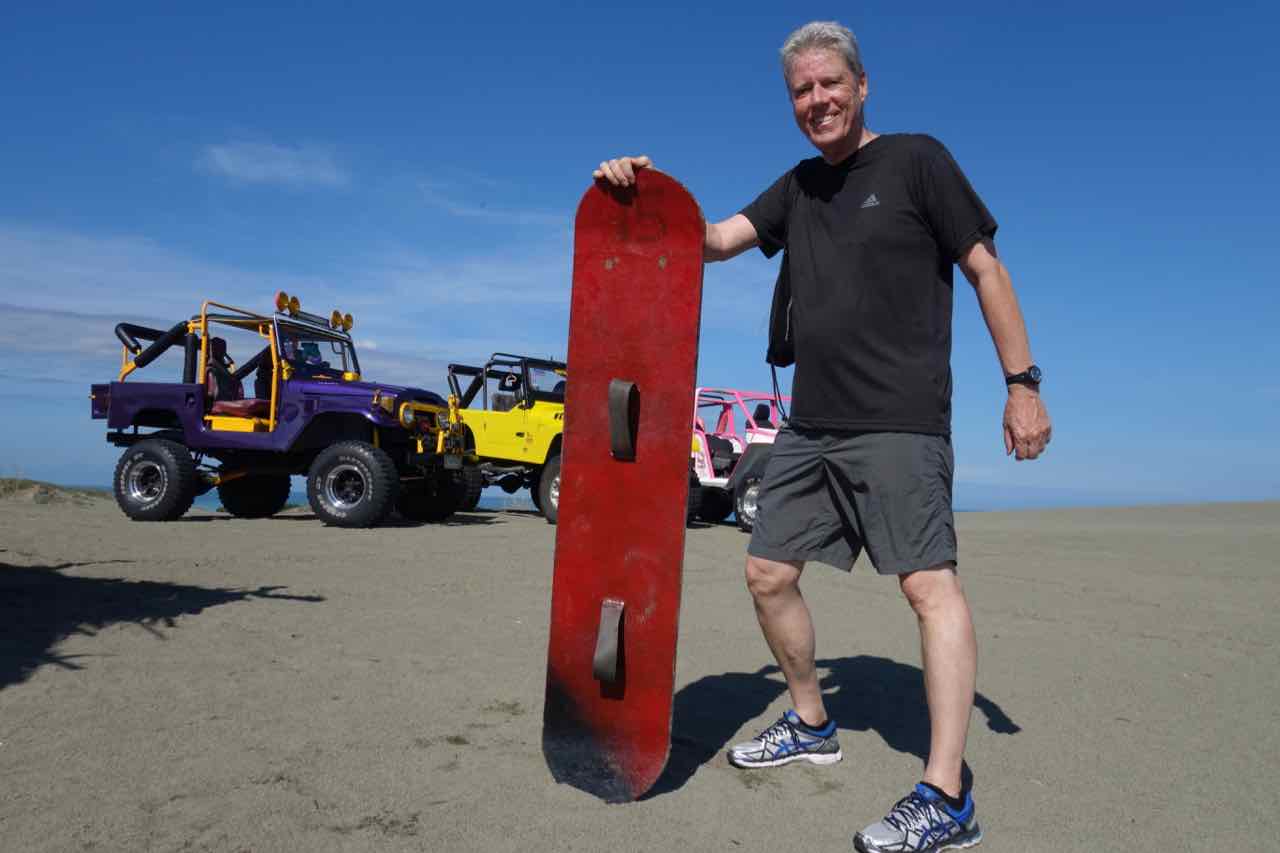
24. Surf on the sand at the steep Suba Paoay Sand Dunes, Ilocos Norte, Philippines
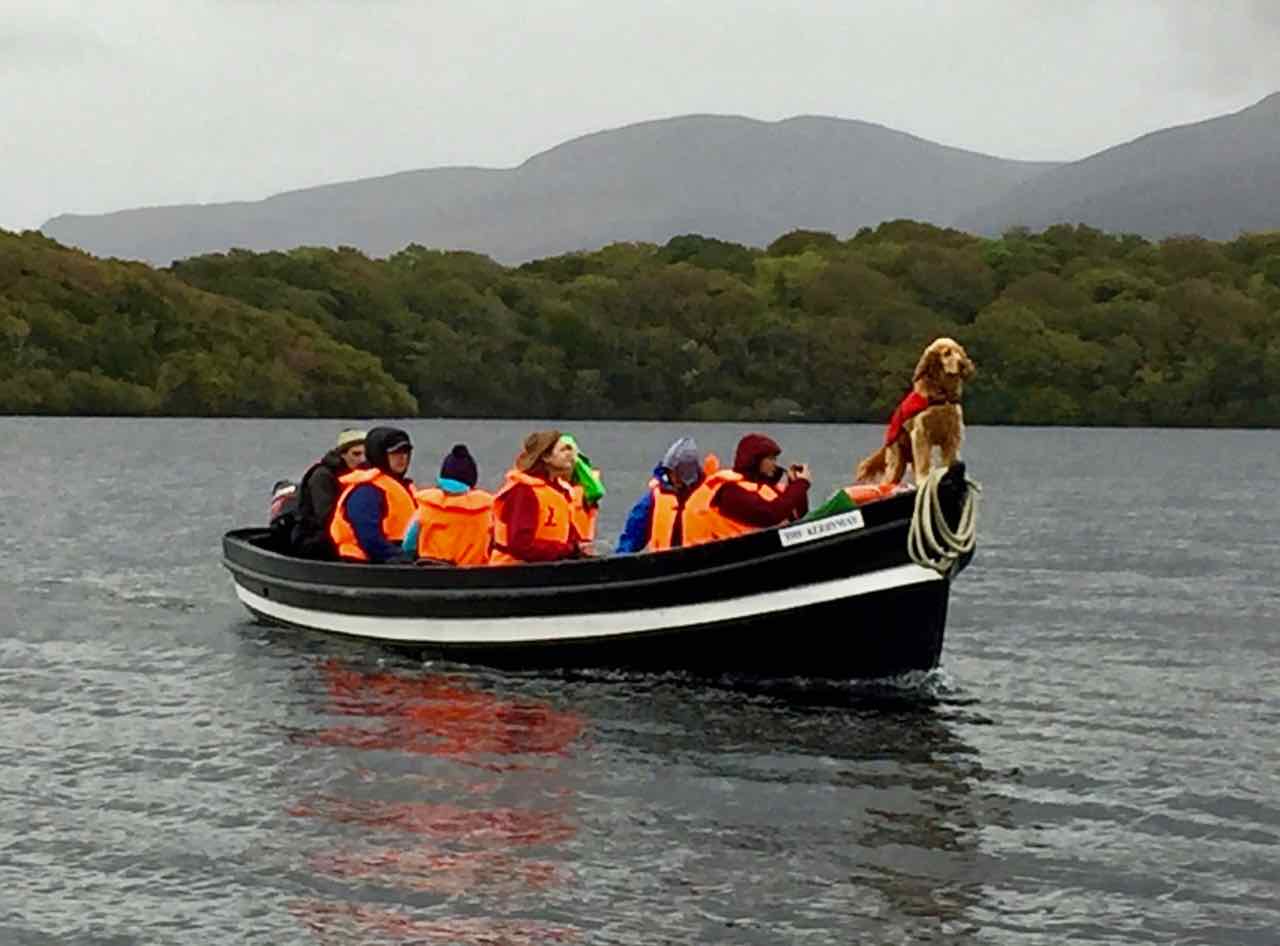
25. Traverse the lakes of Killarney National Park from Ross Castle, County Kerry, Ireland
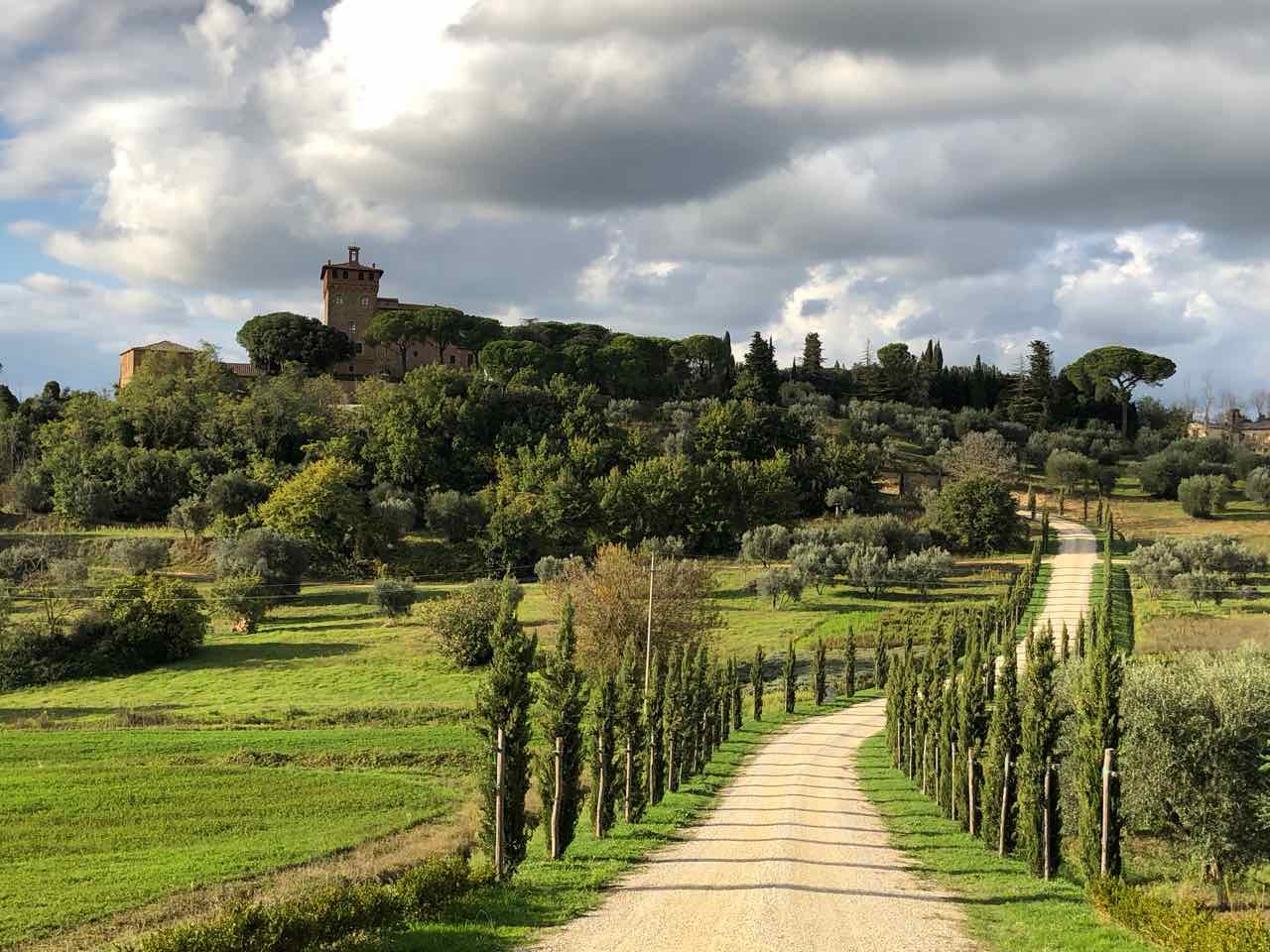
26. Explore the small, old villages of Tuscany from the base of Montepulciano, Italy
27. Interact with baby and adult orphaned elephants at Sheldrick Wildlife, Karen, Kenya
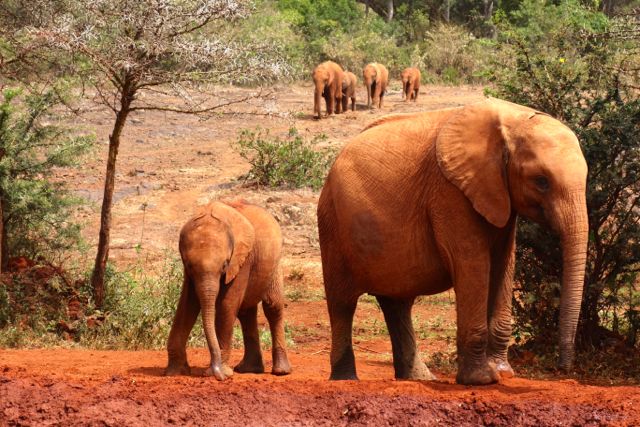
You can read my full post: Visit Nairobi before and after a safari
28. Be captivated by the work of Salvador Dali at his hometown museum, Figueres, Spain

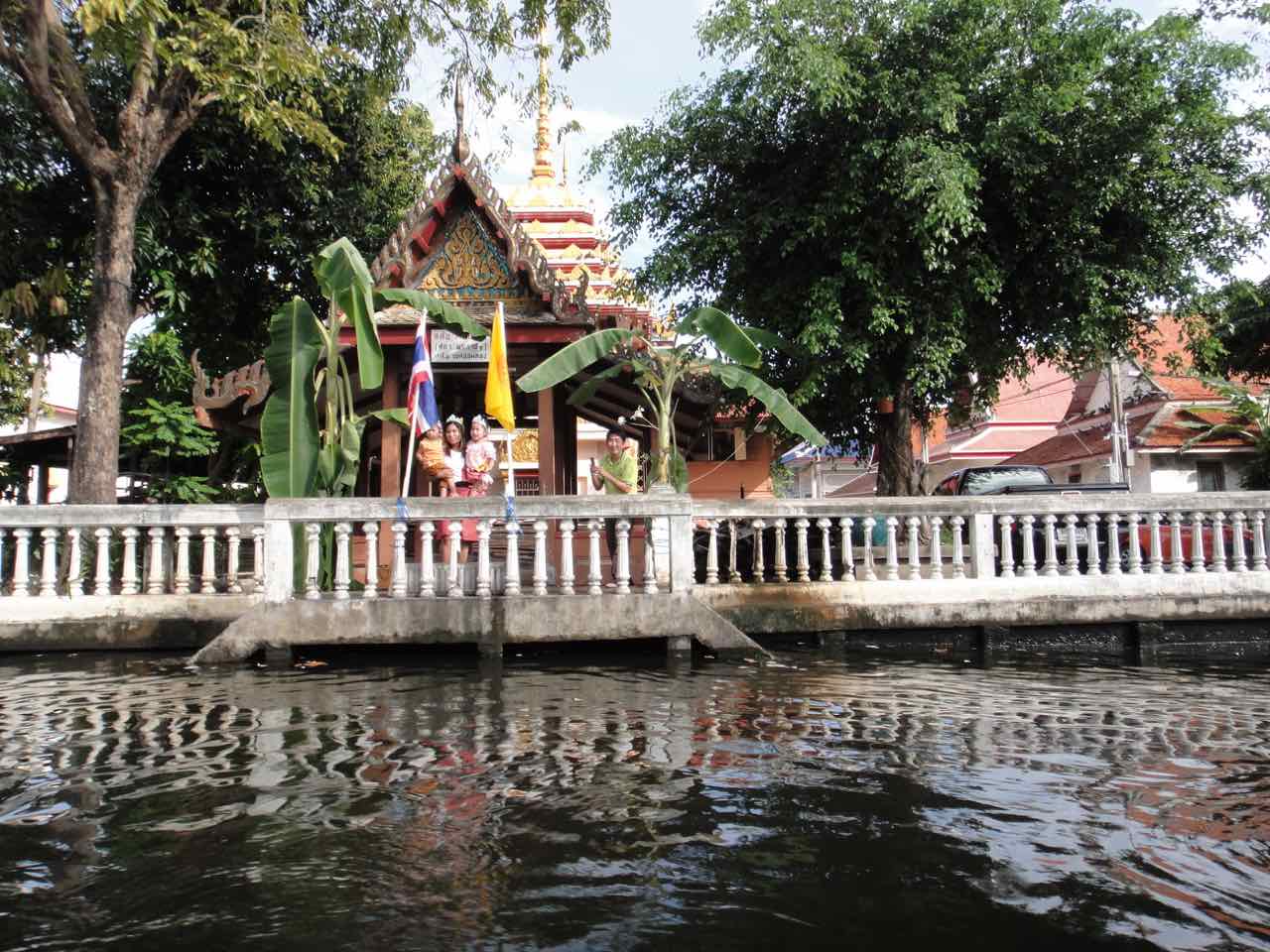
29. Rent a long-tail boat to meander through the Thonburi canals, Bangkok, Thailand
30. Hike to the perfect viewing spot for Half Dome, Yosemite Valley, California

31. Tour the 2nd largest art museum in the world, the Hermitage, Saint Petersburg, Russia

32. Visit both the Silver and Golden Pavilions while temple-hopping in Kyoto, Japan
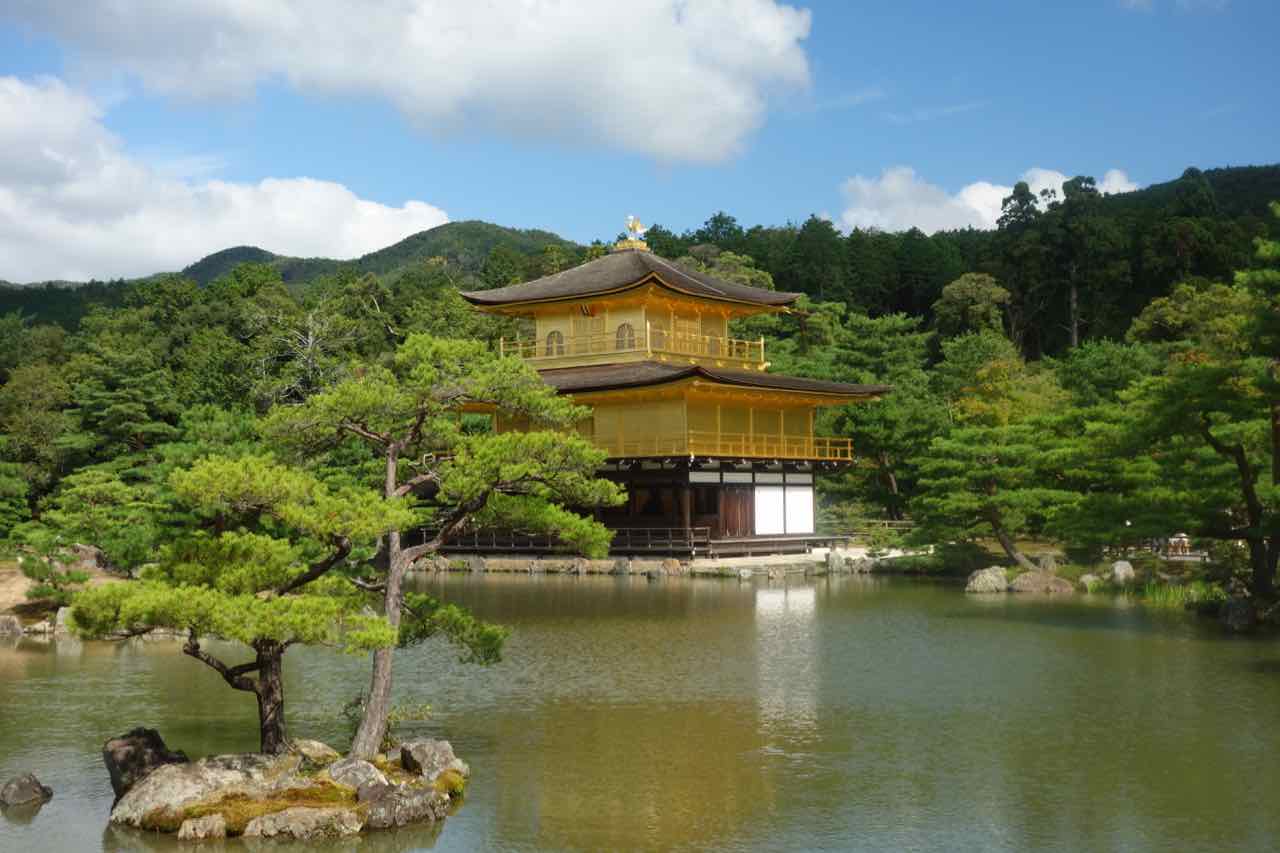
You can read my full post about How to see Kyoto in a weekend
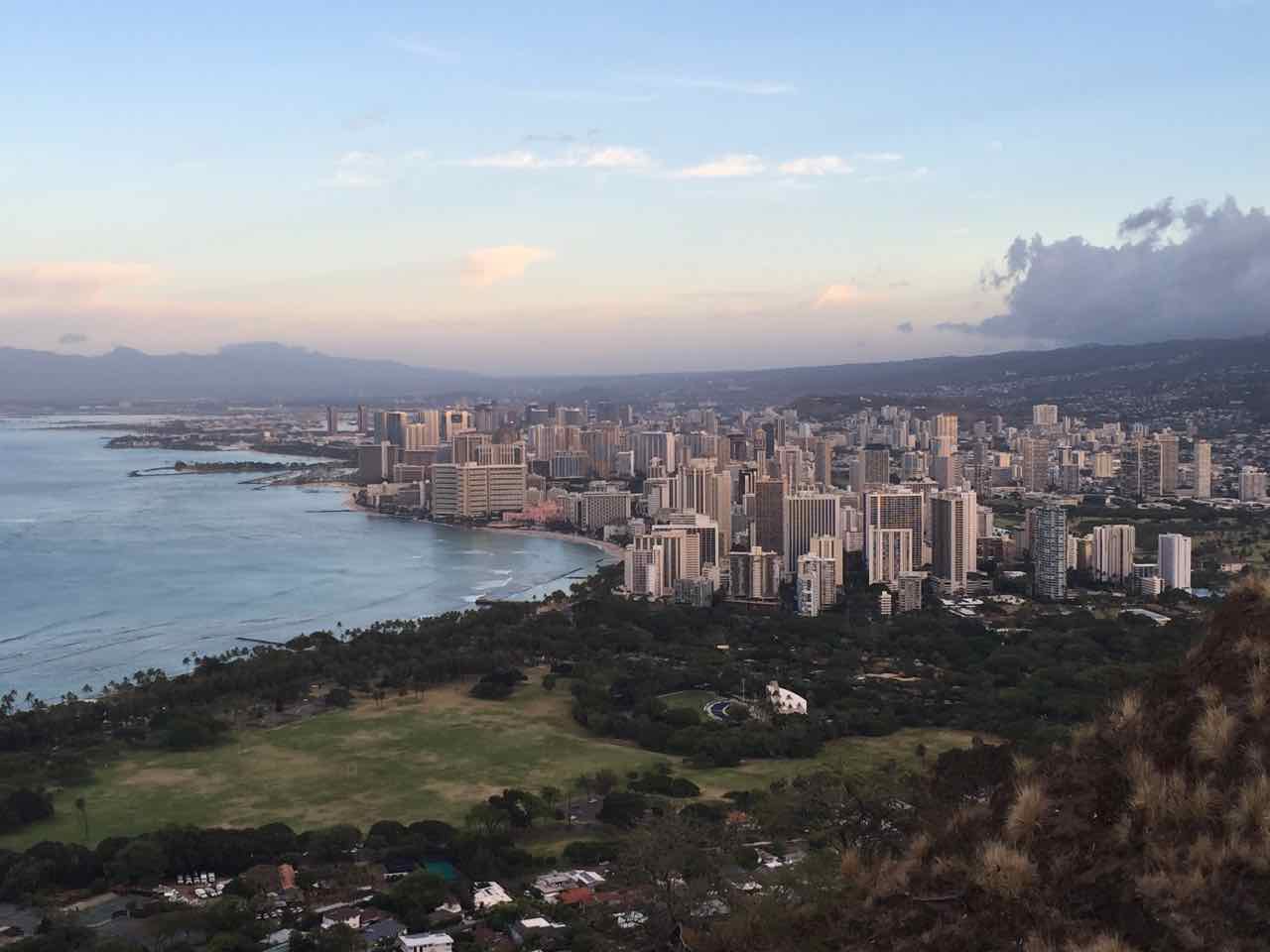
33. Hike to the top of Diamond Head for a sunrise view over Honolulu, Oahu
34. Eat authentic paprika goulash and drink Palinka brandy in Budapest, Hungary

You can read my full post about How to see Budapest in two days
35. Practice the 6th century art of Chinese paper cutting in Chengde, China

You can read my full post: Chengde Mountain Resort is China’s secret
36. Watch ceremonial Aztec dancers perform in San Miguel de Allende, Mexico

37. Spend a day in the tiny double landlocked kingdom of Liechtenstein

38. Discover the unearthed Terra Cotta Warriors of Emperor Qin Shi Huang, near Xi’an, China

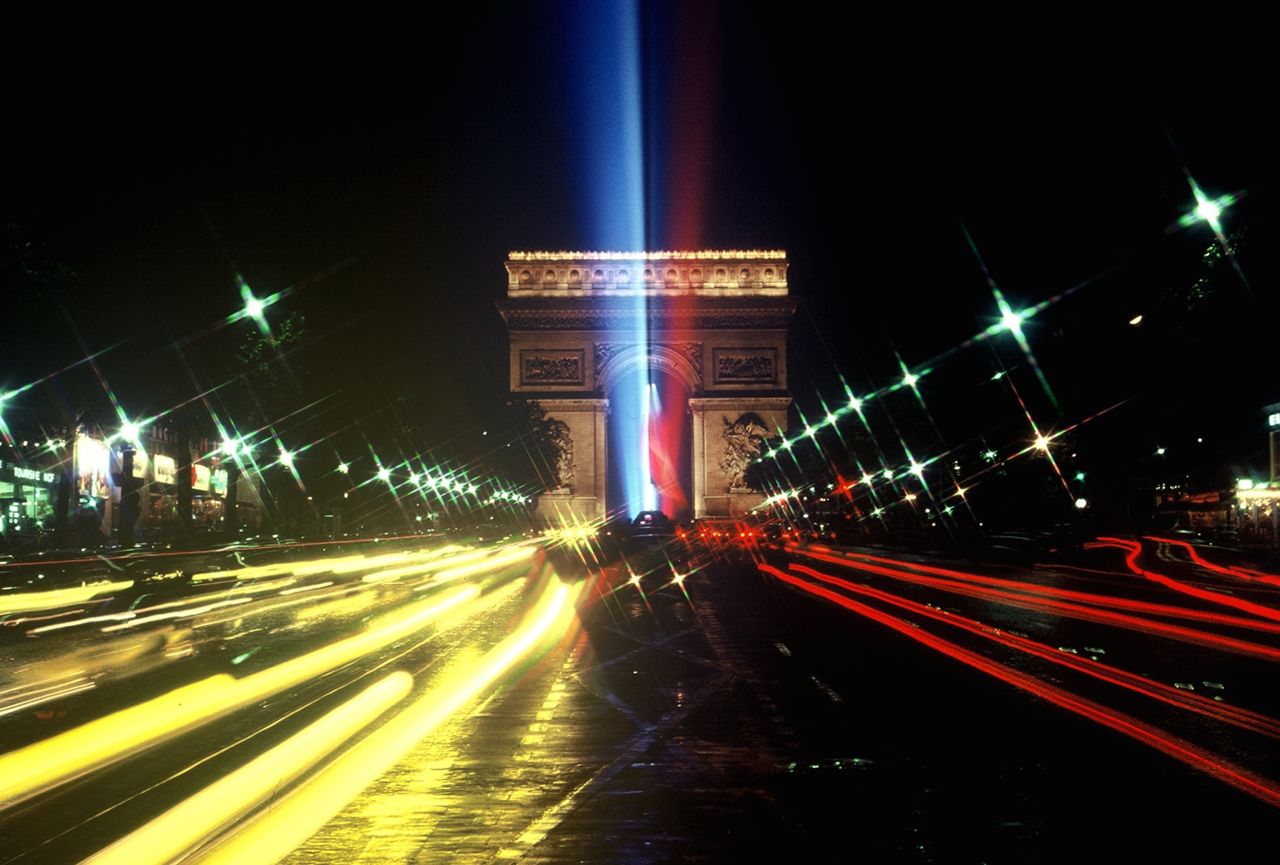
39. Watch the Arc de Triomphe lighted in red, white and blue for Bastille Day, in Paris, France
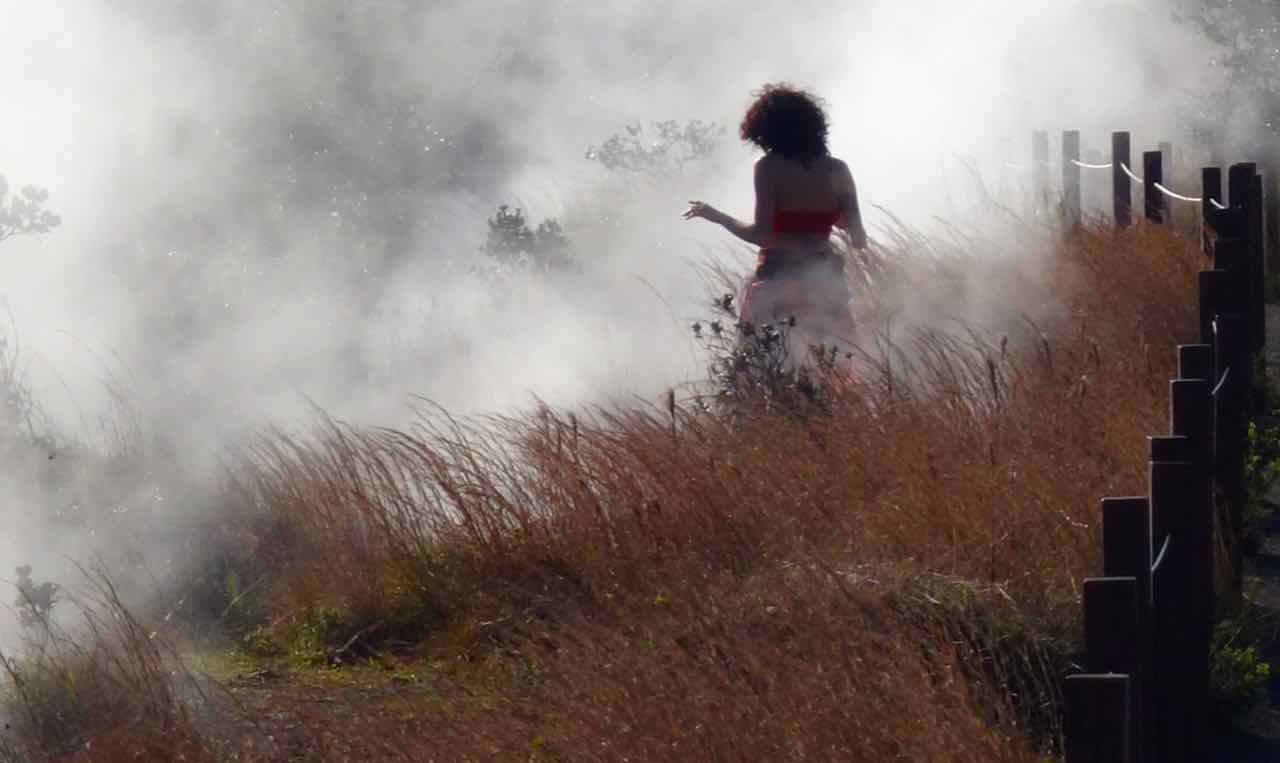
40. Walk right next to flowing hot lava from Kilauea Volcano, on the Big Island, Hawaii
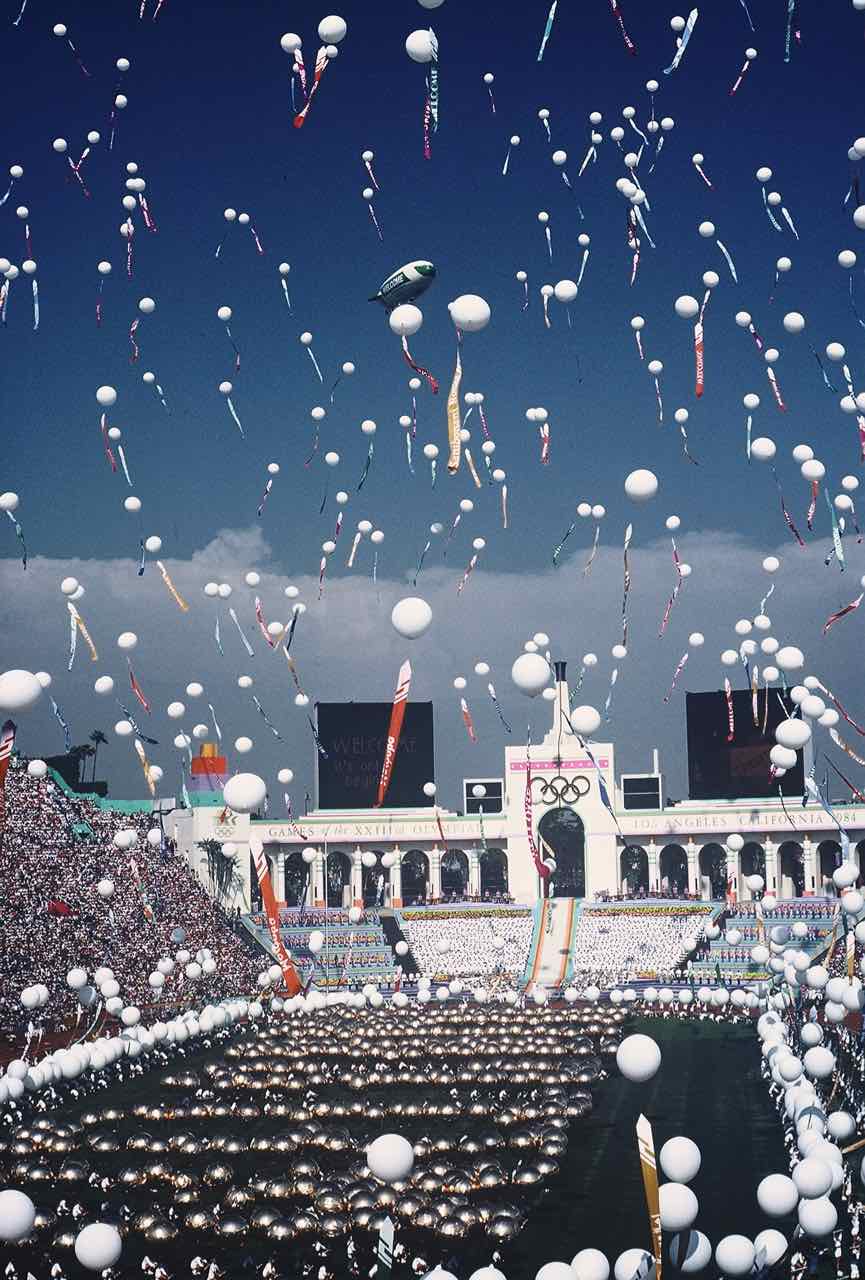
41. Attend Opening Ceremony at the Summer Olympic Games, 1984, Los Angeles, California
42. Walk completely around the inside of the 2,000-year-old Coliseum, Rome, Italy
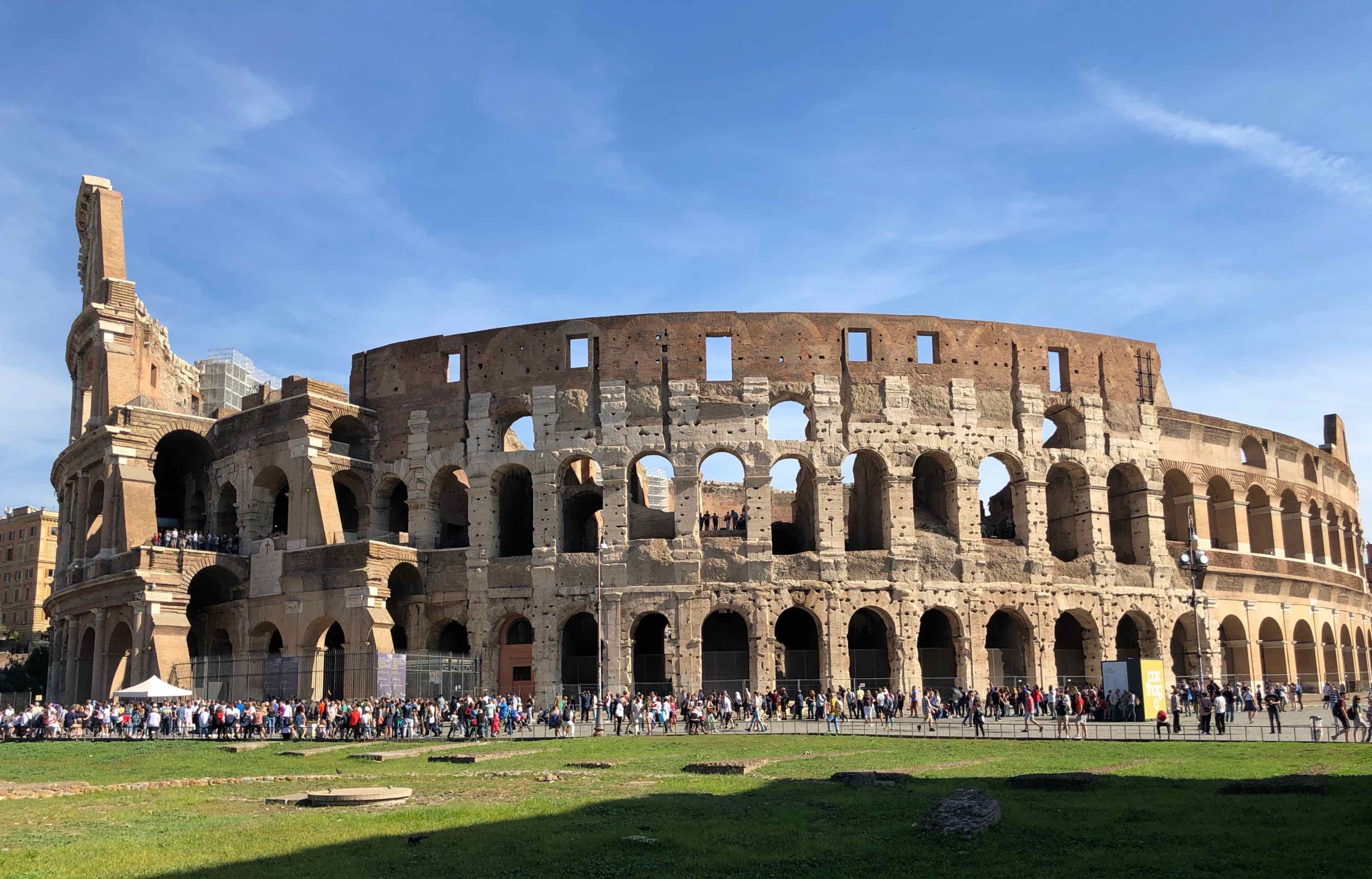
You can read my full post: A Rome visit can be upscale on a budget
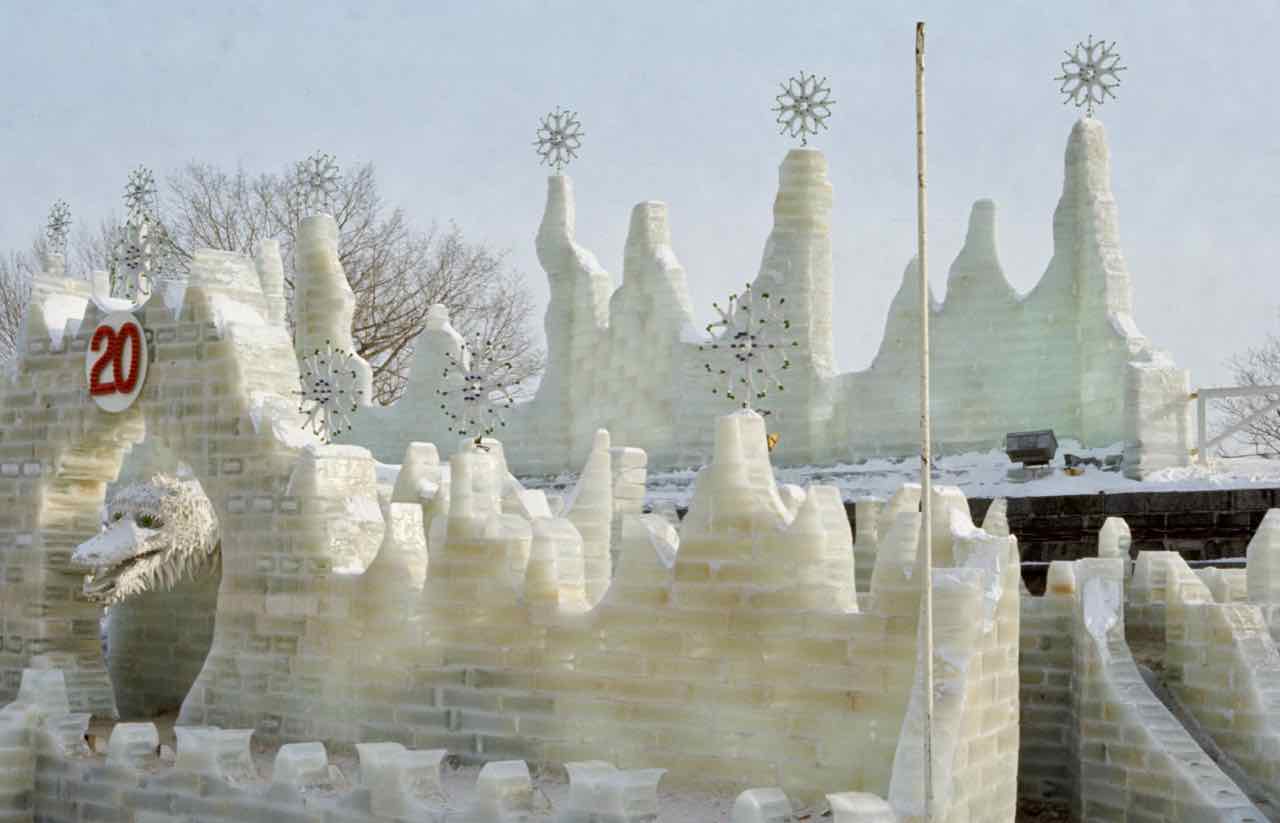
43. Walk through huge, intricate ice sculptures at the Winter Carnival, Québec, Canada
44. Experience the skeletal remains of military buildings, Corregidor Island, Philippines

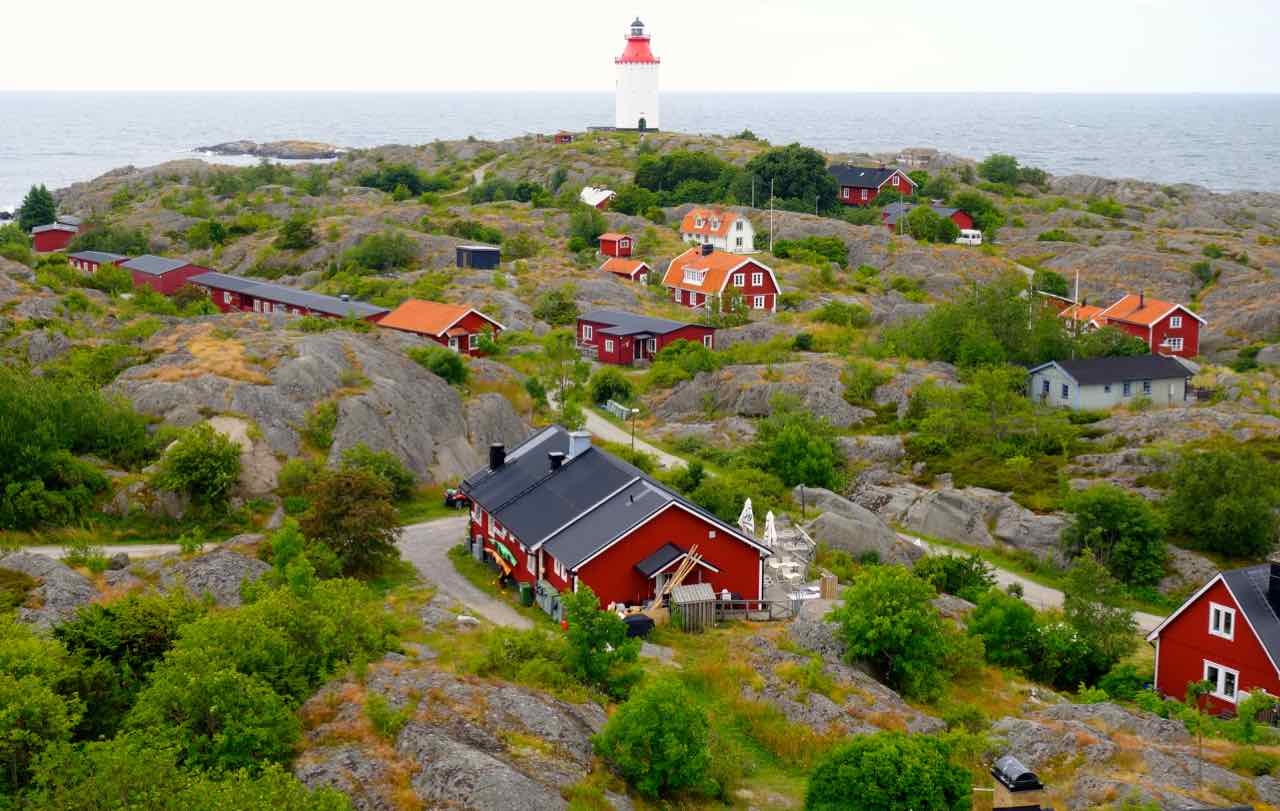
45. Climb the lighthouse at the southernmost point of the archipelago, Landsort, Sweden
46. Pilot a Cirrus SR22 aircraft from Kahului, Maui, past sea cliffs, to the Island of Molokai

You can read my full post: You can pilot a plane on Maui
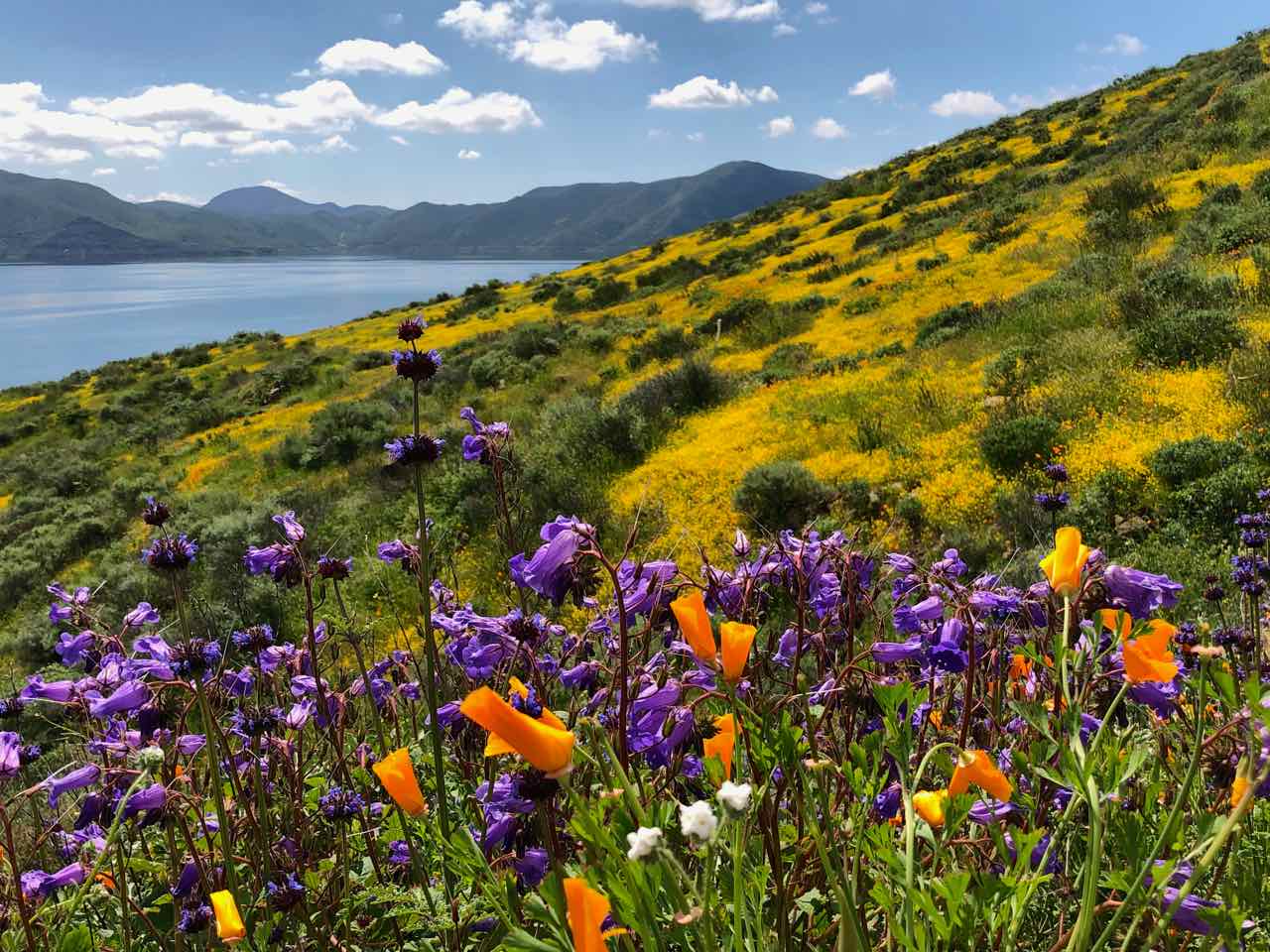
47. Hike among spectacular poppies and other wildflowers at Diamond View Lake, California
48. Stay as the only guests in the 16th century Chateau de Bourron, near Fontainebleau, France

Historic châteaux near Paris include more than Versailles. You can stay in one.
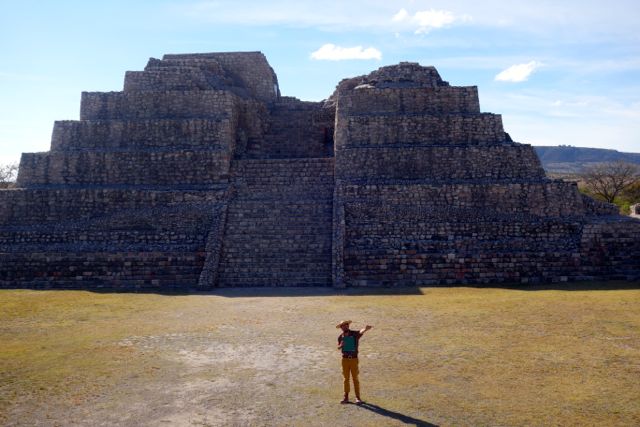
49. Step back in time to explore the Canada de la Virgen Pyramid, Guanajuato, Mexico
You can read my full post about 5 unusual things to do in San Miguel de Allende
50. Cruise upscale to five Nordic countries in a week with Royal Caribbean, in the Baltic Sea

You can read my full post: 8 reasons to cruise upscale
Next check out #51 to #100 on the list.


Follow these famous travel experts
If you are like me, when you aren’t traveling you are in planning mode for your next trip. Researching a new journey can be fun too. That’s why I follow these famous travel experts – Patricia Schultz, Rick Steves, Pauline Frommer, Don George, and more. Explore the contributions of these and other gurus with me. I will explain where each provides value to the traveler and how to follow them.
I am a travel blogger, so shouldn’t I be recommending other bloggers? Well, yes, but there is still a real need for expert opinion that is vetted by editors, producers, publishers. And the people I talk about in this post have been in the business of travel for decades. Yes, they may have agendas, like selling more books or shows or tours, but they have earned the title “expert.” The world needs them.

Patricia Schultz
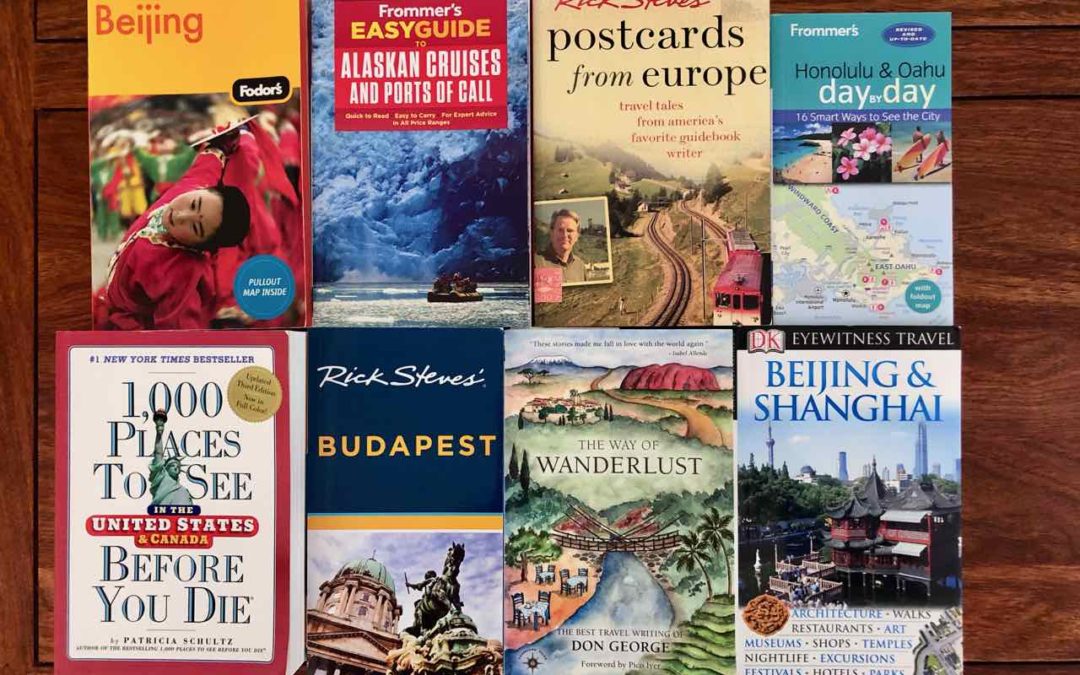
You have probably heard of the book, 1,000 Places to See Before You Die. It is a veritable encyclopedia of places to visit around the world, typically devoting one page to whetting your appetite about a specific location. It took Patricia Schultz eight years to complete, the first edition published in 2003. It has been updated countless times since, including a slick “coffee table book” in 2018. In between, she completed the daunting task of another 1000 Places book just for the U.S. and Canada.
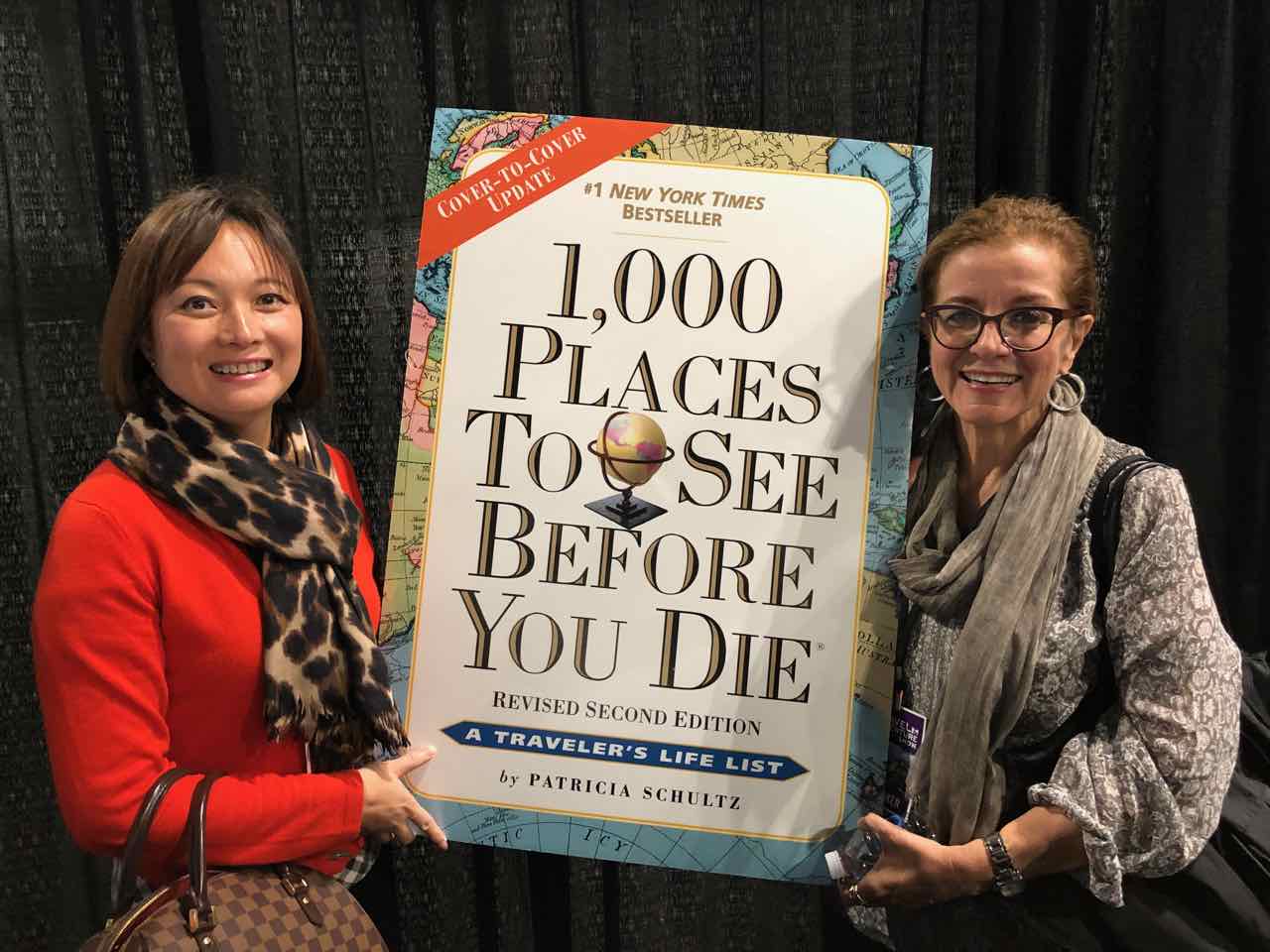
Patricia certainly has the credentials, having first started writing back in 1980. Her 1,000 Places books are an essential starting point for the traveler who wonders, “where should I go next?” I used them to select Huangshan, China over Sri Lanka for a spur-of-the-moment trip when we were living in Beijing. I started with her book to help determine what I might include in a trip to Jackson Hole and Grand Tetons, Wyoming. It’s no wonder her books have become #1 New York Times Bestsellers.
I first met the highly personable Ms. Schultz in Manila, and we have stayed in touch since. She has a following on social media in the millions. Follow her on Facebook/1000 places.

Pauline Frommer
If Patricia Schultz is your starting point for famous travel experts, then the reliable Frommer’s guides are stop #2. Created by the legendary Arthur Frommer, the business was eventually sold, then bought back by the family. Daughter Pauline Frommer is now Editorial Director and Publisher of frommers.com.

Arthur Frommer arguably started the travel guide business in 1957, when he published the book Europe on 5 Dollars a Day. No, it was not placed in the fiction section, but a lot has changed in more than a half century. Fortunately, Frommer’s guides have changed too. Their Day by Day series feature maps and self-guided tours in a size that fits in your pocket or handbag. My copies used to visitcs Prague and Honolulu & Hawaii are well-worn.
And their EasyGuide series, at 300+ pages, provide more detail. I used Alaskan Cruises and Ports of Call as a starting point for a future cruise there.
The always genuine Pauline Frommer is one of my favorite travel speakers. She updates speeches with her latest findings about best flight booking sites, travel insurance providers, under-appreciated destinations, etc. Follow on Twitter @Frommers or join Facebook/FrommersTravelGuides.

Rick Steves
What started as a passion for wandering through Europe has turned into a travel empire for Rick Steves, perhaps America’s most famous travel expert. I once showed him his guidebook I was carrying, that, per his own recommendation, I had already ripped to shreds. Gone was section I had taken with me for a day trip to Toledo, Spain. Gone were the tattered sections that featured his step-by-step tours of Madrid’s Prado Museum and Royal Palace.
Rick is America’s tour guide, through both his physical tours and virtual ones. His focus on Europe Through the Back Door for decades has been relentless. I asked him if he had ever considered writing about China as a growing tourist destination. His answer was, “Never;” his hands were full maintaining accurate information about the many countries of Europe. Probably best known for his 90-show PBS series, Rick Steves’ Europe, his blue and gold guidebooks also dominate library and bookstore shelves. His influence is so great that once he talks about an “offbeat” place it can often become overrun with tourists.
Rick is an interesting guy, an activist and vocal proponent of legalizing marijuana. Do bear in mind if you follow one of his walking tours you will stop at every museum and church. His style tilts toward history, art, and religion. Ricksteves.com is a wealth of information. You can also follow him on Twitter @RickSteves and Facebook/ricksteves.

Samantha Brown
Samantha is a well-known American television travel host, first on the Travel Channel and later producing her own PBS show, Places to Love. She projects a relatable, sort of “girl next door” image on screen. She seems the same in person. She once told me the process was “Dream . . . Plan . . . Book . . . Travel . . . Preserve.” That kind of sums up the experience for all of us.
Follow Samantha on Twitter @SamanthaBrown, Instagram #samanthabrowntravels, and Facebook/RealSamanthaBrown.

Peter Greenberg
The CBS News Travel Editor is also known as the Travel Detective. His brash New York persona is the antithesis of Samantha Brown. In speeches he is not above telling an audience member they are an idiot for collecting miles/points or stupid for listening to State Department travel warnings.
Among his books is the bestseller, Don’t Go There. Always outspoken and informative, the Emmy award-winning journalist has a track record of being right. A wonderful feature of his website, petergreenberg.com, is where he personally answers readers’ emails.
You can follow Peter on Twitter @PeterSGreenberg and Facebook/PeterGreenbergWorldwide.

Don George and other travel authors
Up to this point I have focused on people who can help you research, plan, and execute a trip. There is a different category of famous travel experts – those who write about the inspiration of travel. You won’t find hotel recommendations from Don George or airline comparisons from Pico Iyer. They are essayists, whose writing about what it feels like to be in a faraway land can both transfix and transform us. And we are lucky to have them.

I first met Don George when he taught ten of us would-be travel writers in a 3-day class in Bangkok. It was a chance to learn from the master. Don had just finished writing the book, The Way of Wanderlust, a collection of his stories from four decades of world travel. As the former global editor for both Lonely Planet and National Geographic Traveler, his credentials are above reproach. He literally wrote the book on travel: Lonely Planet’s Guide to Travel Writing.
Don is a marvelous storyteller and an even better, more generous person. His website is don-george.com. Follow him on Twitter @Don_George and Facebook/don.george.travels.

I would be remiss if I didn’t at least mention some other travel writers I have had the pleasure of meeting: the acclaimed Pico Iyer and the actor-turned-writer Andrew McCarthy. You can find some of Pico’s work on picoiyerjourneys.com and some interesting quotes on Twitter @PicoIyer.

Also check out andrewmccarthy.com/writing. You may know Andrew from numerous acting roles, such as St. Elmo’s Fire and Pretty in Pink, but now he is an accomplished author too.
And finally, the late Anthony Bourdain, who defies categorizing. His unique approach to the relationships between culture, food, and travel live on through his provocative books, such as Kitchen Confidential and his television series, No Reservations and Parts Unknown.
Did I miss some of your favorites? Please leave any comments at the bottom of this post.
Stephen’s 6 most popular articles
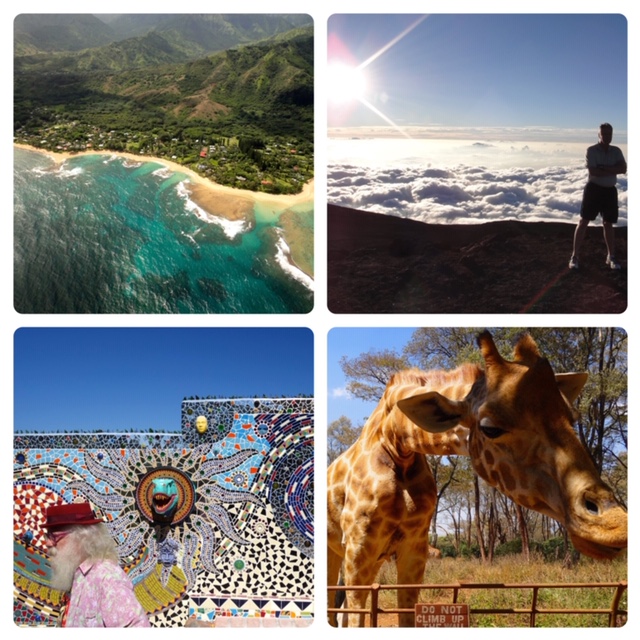
Sometimes you simply can’t travel. That’s a good time to plan a future trip. It can be inspiring to read about places you might want to visit. With that in mind, we feature Stephen’s 6 most popular articles. Join us in learning more about Hawaii, Mexico, Sweden, Kenya, and China.
I try to write posts for Journeys With Stephen that are evergreen, i.e. continually relevant over a long period of time. They are full of pictures (worth a thousand words) and, speaking of words, can generally be read in less than 10 minutes.
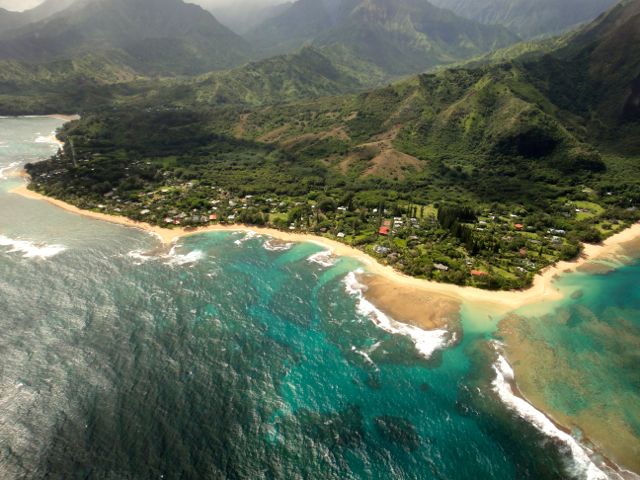
1. Which Hawaiian island for the first-time visitor?
Even though I first wrote this post back in 2016, it continues to be highly read. I suppose that is because there are always a lot of people who dream of visiting Hawaii and then finally need help making that dream a reality.
Do you want balmy, soft sand beaches and plenty of ocean activities? Do you want mountainous interiors with jungles and waterfalls? Do you want good food and drink to go with a genuine Hawaiian spirit? This article discusses the pros and cons of each of the major islands – The Big island, Kauai, Oahu, and Maui. It is a 9-minute read.
2. 10 unusual things to do in Maui
Like everyone else, you’ve maneuvered the twisting road to Hana, braved the cold for sunrise at Haleakala, taken a sunset catamaran cruise, enjoyed the more authentic Old Lahaina luau, snorkeled off a famous beach. Are you ready for something a little more offbeat?
This post explores ideas that range from vodka production and tattoos to blowholes and behind-the-scenes tours. And you can read it in about 9 minutes.
Bonus idea. I wrote a separate post about how you can pilot a plane on Maui. Check it out!
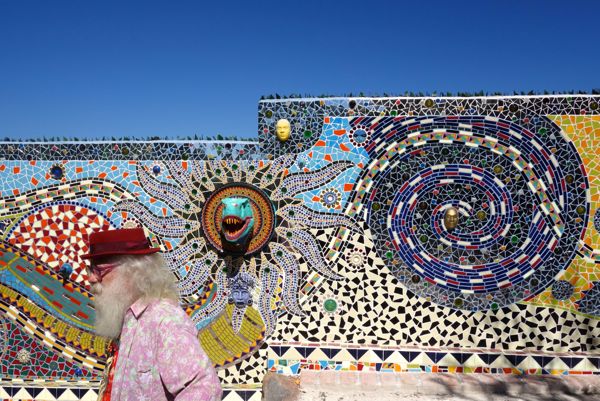
3. 5 unusual things to do in San Miguel de Allende
The colonial city of San Miguel de Allende, nestled in the mountains of central Mexico, has plenty to offer visitors. What should you do after seeing the Parroquia, the Jardin, and sampling some of the 300 restaurants and dozens of art galleries?
Plenty of travelers have made the journey to SMA, but not everyone gets a tour of the mask museum or a private cooking lesson or explores the funky Chapel of Jimmy Ray with its eclectic owners. You can almost taste the homemade guacamole by spending about 8 minutes with this post.
Bonus idea. If this inspires you to visit San Miguel de Allende, check out my post on the best places to stay.
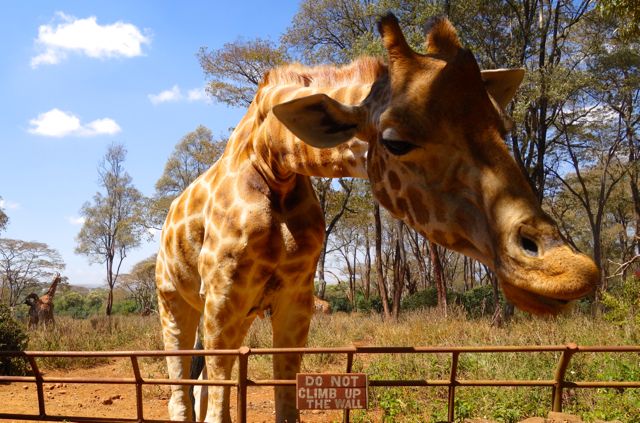
4. Visit Nairobi before and after a safari
Maybe you are planning to take a safari in Kenya – a wise choice. Even smarter, spend several days to visit Nairobi both before and after your safari. The city has interesting attractions worthy of your time. It is the perfect antidote to those long, dusty drives trying to spot wild animals.
The Internet is chock full of articles to help you find a safari, but this post talks about how to bookend that experience so that you enjoy it more. From the amazing Elephant Orphanage to the Giraffe Centre to Karen Blixen Museum, you can learn a lot and unwind at the same time. You can read this post in about 6 minutes.
And if you haven’t finished planning that safari, you might be interested in 8 mistakes we made on our first safari.
5. History comes alive at Sweden’s Vasa Museum
Imagine being transported back in time nearly 400 years to stand aside a real Swedish warship, the only surviving vessel of its kind from the 17th century.
This post is about Sweden’s Vasa Museum in Stockholm, arguably the greatest maritime museum in the world; but also tells the amazing story from the perspective of a crew member on the Vasa’s fateful voyage.
“Acke didn’t want to be one of the 145 seamen aboard Sweden’s Vasa warship for its maiden voyage in 1628. The work was hard, wages were low, and living conditions were atrocious. And this voyage was to last just 1,300 meters before he would have to swim for his life.” You can finish this story here in just 6 minutes.
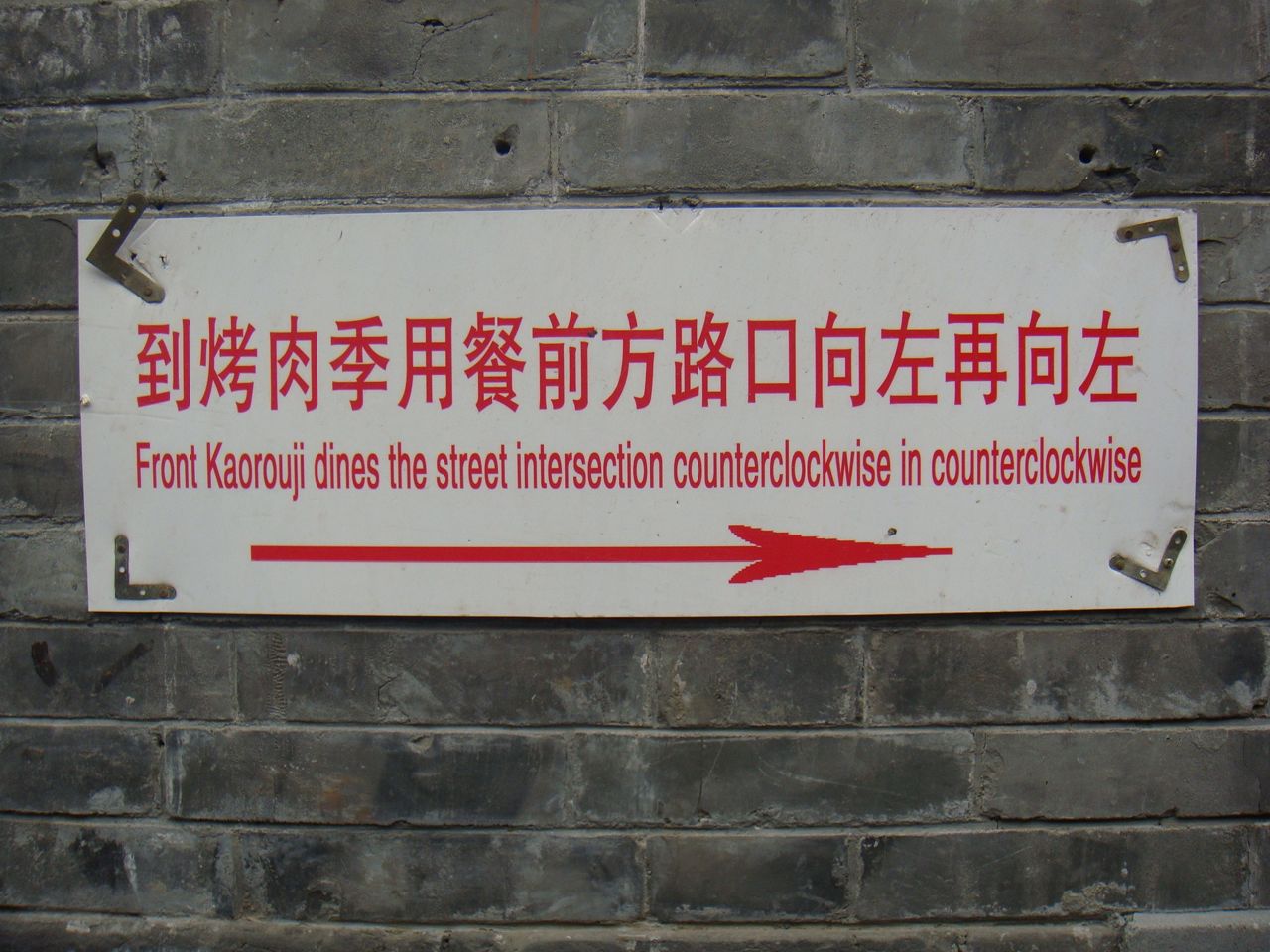
6. Welcome to China, where you can’t speak, read, or write
Language challenges are part of the adventure of travel and make for interesting tales to recount later. In this post I tell numerous stories of my trials and tribulations in a light-hearted 6 minutes of prose and pictures.
And if that article simply intrigues you more about China, I have several for you to read. They include the secret Chengde Mountain Resort, China’s Huangshan floating mountain, and even one on Shanghai Disneyland. Enjoy!
Any comments? Please leave them at the bottom of this post.

Ways to deal with airport stress
I have taken more than a thousand flights, but I still admit to having airport anxiety. As a result, I have learned ways to deal with airport stress. After all, travel is supposed to reduce stress, not cause it! From leaving early to security tips to airport lounges, these practical ideas have helped me and should help you too.
1. Be prepared before you leave home
I have seen people scramble to find their passport just before leaving for the airport. Not good. Worse is finding out your passport, while not expired, is still not valid. What? Yes, most countries require that your passport have at least six months validity after the final day of travel. On top of that, your passport needs to have sufficient blank pages for visa stamps throughout your trip.
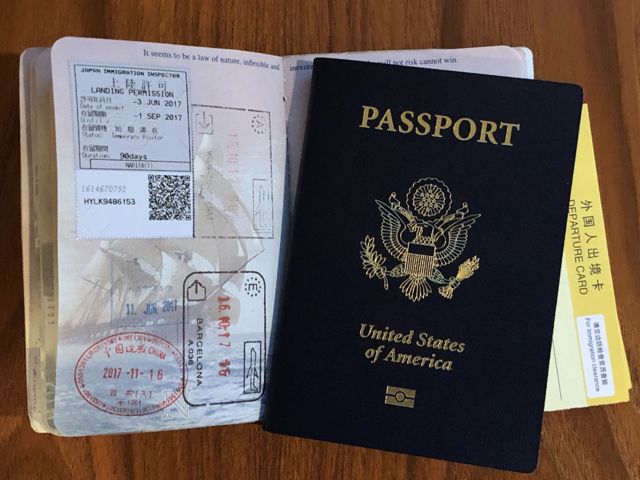
2. Go to the airport early
This might seem to be a given in avoiding stress, but I strongly suggest it is the number one way to avoid anxiety. There are plenty of ways to spend your time at the airport, as I will explain later. The recommendation for most major international flights is to arrive three hours before takeoff. Don’t try to cut it close.
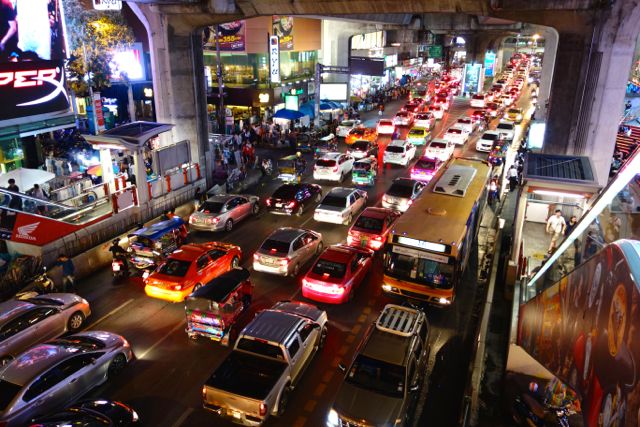
Two of my most-used airports are Beijing (PEK) and Los Angeles (LAX). The traffic in these cities is notoriously uncertain at any hour. I also refuse to take airport shuttles that make multiple stops. If I drive, I make sure I use a parking lot I am familiar with, such as The Spot at LAX. I even sometimes rent a car in Orange County and drop it off at LAX, taking their bus to the terminal. It can be easier and cheaper than a long-term parking stay.
Having a few handy apps can also reduce stress. I always check FlightAware from home to see if my flight is on time or delayed. If you are unfamiliar with the airport, an app such as AtAirports can give good information about the layout and amenities.
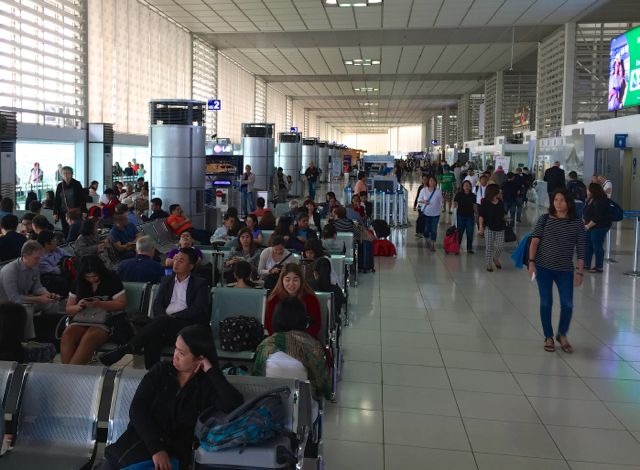
3. Skip the ticket counter, if possible
Lines at the airport induce anxiety. Some can often be avoided, starting with the ticket counter. I always try to check in online in advance and print my boarding pass, even if it is on my phone. That’s the first opportunity to skip the ticket counter or kiosk lines.
Next, I try to travel with carry-on only, so I don’t have to deal with the hassle (and possible expense) of checking a bag. That pays off even more when skipping baggage claim on the other end of the flight. If I must check a bag, I make sure I understand the airline weight limits – before leaving for the airport. I was allowed one weight limit on a flight from London to Dublin, but a lower one on the connection from Dublin to Killarney.
If you must deal with lines, keep in mind that, as the day goes along, the cumulative effect of things going wrong, such as delayed or canceled flights, kicks in. If you have a choice, book a morning flight. You will also arrive at your destination earlier, reducing stress there too.

4. Use priority security lines
One of the biggest unknowns and therefore, causes of stress at the airport is the length of time spent going through security. I arrived at Denver one time to encounter a security line wrapped around the airport. A similar experience occurred in Las Vegas. Now, I make sure to always use TSA-Pre, which I receive by virtue of my U.S. Global Entry status. The time savings from shorter and faster lines and stress-reduction have been enormous.
Another advantage of priority lines, especially in the U.S., is the ease – leaving shoes on, laptops in bags, toiletries in bags, etc. You still need to make sure you abide by the liquid limitations. Read about how I carry a drug store in a Ziploc bag.
Of course, there are not priority lines in 100% of the cases – another reason to arrive early!

5. Make use of airport lounges
So you have arrived early, skipped by the ticket counter and bag check, and breezed through security. With an eye on departure boards, you find yourself in the concourse with an hour or more to spare.
You can always shop. Some airports, such as Bangkok (BKK) are a shopping paradise. Singapore (SIN) is practically a destination in itself. One caution about buying amenities in airports: once I bought a simple tube of Crest toothpaste at the Beijing airport, only to have it confiscated by security for being too large. Why sell it there?
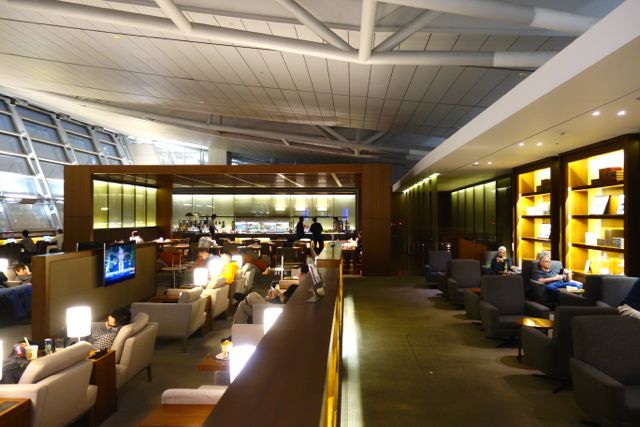
One of my best investments has been to carry a Chase Sapphire Reserve credit card. Included with it is Priority Pass, which gives me access to more than 1,200 airport lounges worldwide. So I can be flying economy on Jet Blue out of San Francisco (SFO) and hang out in the Air France lounge, eating and drinking, until my flight boards. I have used Priority Pass lounges from Tokyo to Zurich to Nairobi. I relax and enjoy the airport experience while the maddening crowds are outside the door.

6. Choose regional airports, if possible
Most of this post has focused on big airports and international travel, but another secret to reducing stress is to use regional airports. From my home base of Orange County, California, I much prefer to fly out of John Wayne Airport (SNA) or nearby Long Beach (LGB) versus LAX.
Long Beach Airport is freeway-close, with easy parking, and a time-gone-by vibe. There aren’t even any jetways, as you walk outside using stairs to the front (and back) of the plane. Of course, that is the norm in many small countries, from Laos to Myanmar. The downside can be fewer flights and amenities, but the low-key atmosphere can make all the difference.
While on the subject of where to fly from, I can’t forget the recommendation on how to fly. I have written an entire post imploring you to always fly nonstop if possible!

7. Be polite to people
Ellen DeGeneres ends her show with the phrase, “Be kind to one another.” I thought I would end with that tip. I have encountered much less stress in airports by not inflicting stress. Be polite and friendly to a ticket agent, and you might be surprised how your request for a better seat magically appears. Be courteous to TSA agents – they have a thankless job. Be nice to gate agents and lounge receptionists and flight attendants. No matter what the challenge, try to deal with it in a civil way. You will be less anxious and so will the people around you.
Read about more airport travel advice here. Do you have anything to add? Feel free to comment at the bottom of this post.
What’s upscale?
Flying business or first class has its advantages, as does the Priority Pass for airport lounges.
What’s budget?
Take carry-on only to avoid baggage fees, and use public transportation to the airport when reliable. And remember, it doesn’t cost anything to be kind.

Stephen’s expert tips for the modern traveler
Having traveled to some 70 countries and more than 700 cities, I have learned some lessons about what to take, how to take it, and what to leave behind. Now I share these little secrets, from gadgets to apps to packing tips, in what I call my expert tips for the modern traveler. .
Clearly the smart phone is the new Swiss Army knife of travel, taking the place of a bulky camera, heavy books, flashlight, alarm clock, notepad, maps, and more. Of course, until it can open a bottle of wine, it won’t replace a real Swiss Army knife. There are now scores of smart phone apps we travelers depend on. Here are some of my favorites.
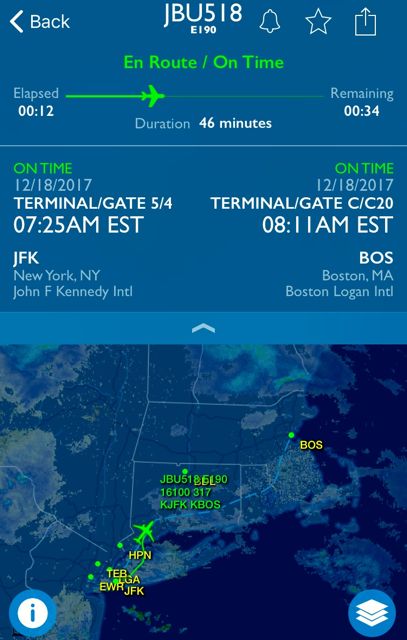
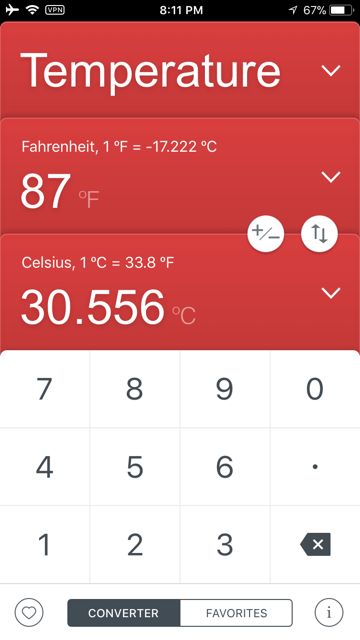
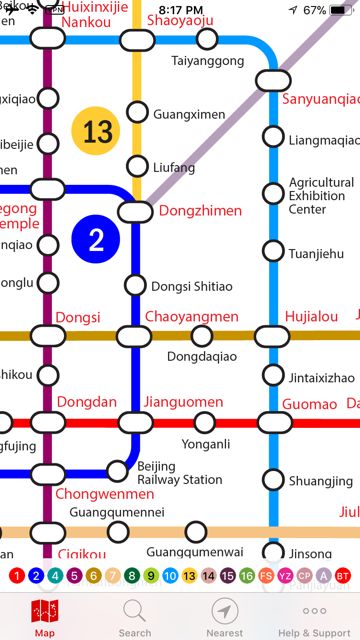
See a lengthy Internet article that you don’t have time to read right now? There are apps to read offline later. Is the flight attendant telling you to switch into airplane mode? The Pocket app may be gone, but among the free alternatives are Instapaper and Raidrop.io. To me, they can be more valuable than iBooks or Kindle (but I need those too!).
What are your favorite travel apps? Feel free to comment at the bottom of this post.

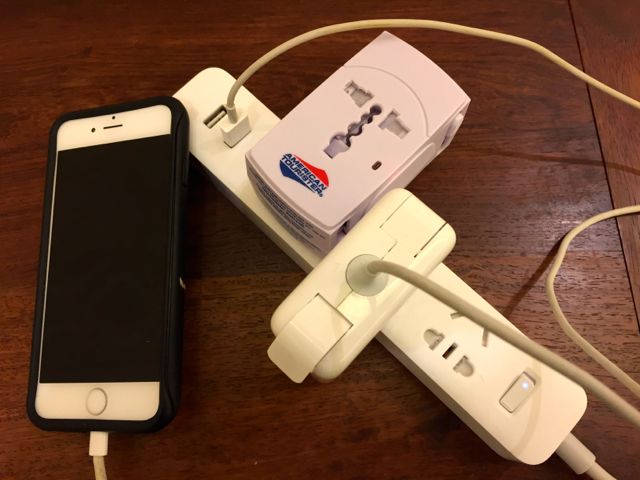
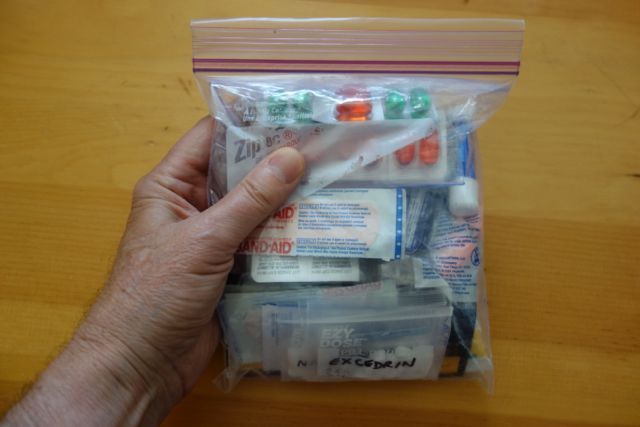
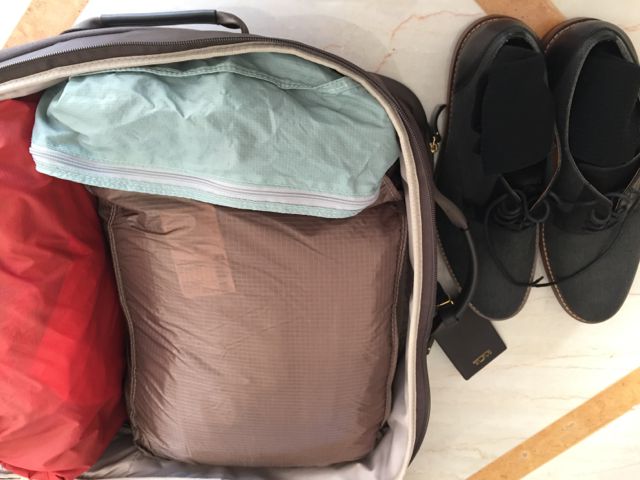
Do you have any other packing tips? Feel free to comment at the bottom of this post.

Speaking of lists, if you take a long trip with friends or family, you are likely to have a lot of luggage, shopping bags, backpacks, laptop bags, etc. I always do a count: “OK, we have 9 pieces.” Then, when we depart the hotel room or taxi, I count again. It is surprising how many times a piece has been almost left on a rental car bus.
Finally, don’t stress. Most things are replaceable. I’m always asking myself and travel companions, “Do you have your passport, wallet, cell phone?” Armed with those three things, you are ready to travel!
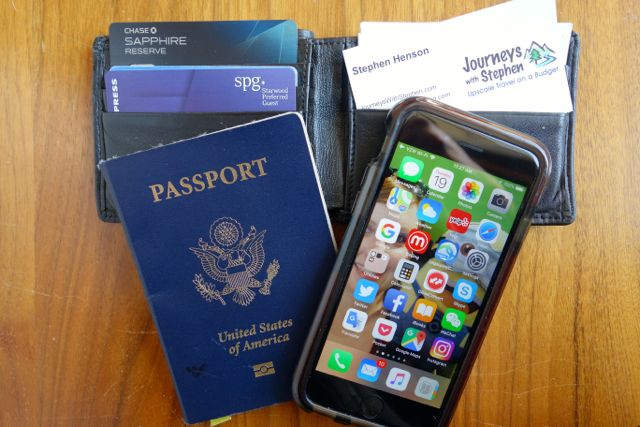
So what tips for 2018 will we look back on and chuckle about that advice? Will we stop using cash altogether throughout the world and pay in every country via our phones? Will voice translation via our phones (or watches) become truly real-time, eliminating the need to even learn basic phrases in a foreign language?
Will all devices become solar powered, so we can ditch the voltage converters and power strips? Can we travel with self-cleaning clothes? Will aviation authorities start letting us carry large liquids, placed in bags of all sizes that fly for free? OK, we may never see that last one, as the trend is headed in the other direction.
Still, I look forward to updating this list with innovative new ideas every year. Safe travels!

25 useful Chinese phrases for travelers
No matter what country you travel to, it is helpful to learn a few key phrases. For China this is important, because most people don’t speak English, and Mandarin is very different. Fear not. Try to learn a few words, and locals may point you in the right direction!

Before we begin, let’s clear up a few things:
The common words I present here are only intended to show people that you respect their language and have made the effort to learn a tiny bit. It is more for setting the tone for your interaction.
Speaking of tone, Chinese is a language of sounds, where a word can have vastly different meanings depending on the tone used. That is too complicated for this exercise. Fortunately, if people understand the context (“How much does this cost?” while you are holding an item in a store), they will probably understand you. I will also help by showing phonetic spellings here.
You won’t be able to read Chinese characters, but sometimes words might be written in both characters and in pinyin, the English alphabet version of Mandarin. I also include pinyin here.
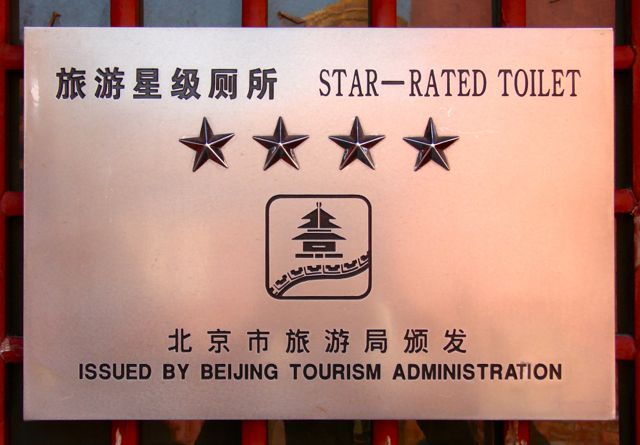
Keep it simple. I have seen guidebooks that teach you how to say in Chinese, “What types of hotel rooms do you have available?” If the desk clerk actually understands you, she will rattle off a long answer in Chinese, and you won’t have understood a word of her reply.
Learning how to say, “Do you speak English?” in a foreign language is a waste of time. That is the one question you should ask in English! The answer will range from, “yes” to “a little” to a headshake. Take it from there. She may even be anxious to try out her English on you!
While all written Chinese is the same, there are two very different spoken versions of the language (besides lots of dialects). Mandarin is the official version, which I present here. But if you are in the south of China or Hong Kong, you may hear Cantonese spoken. It is different, although most Cantonese can understand Mandarin. Got it?
I must reiterate that this is just a way to be polite and show you are making an attempt to communicate. Don’t forget to use apps for other purposes. For example, Waygo enables you to point your phone camera at a sign written in Chinese, and the app will translate it into English. Some apps allow you to speak and listen, but note, Google doesn’t work in China.
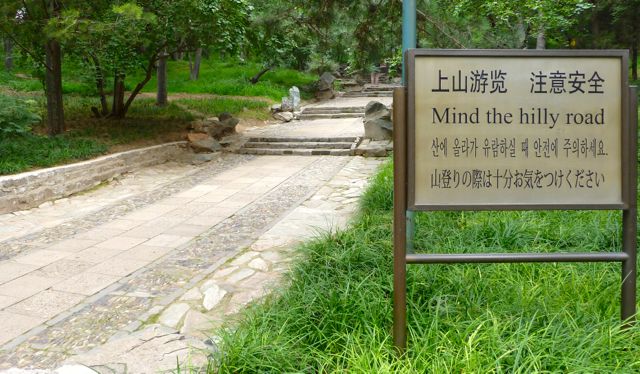
That said, let’s get started with some common, useful Chinese words for travel.
1. Hello, hi
ni hao (written in pinyin) pronounced as (nee how)
This is the most common greeting and can be said to everyone.
2. How are you?
ni hao ma? (nee how ma)
Just add “ma” to ni hao. Easy, right?
3. Good morning
zao (dzow)
A common, friendly greeting in the morning, instead of ni hao.
4. Hello (answer phone)
wei (way)
You will hear people answer their phones with wei instead of ni hao.
5. Good
hao (how)
Hopefully, it’s your answer to the question “ni hao ma?”
6. Very good
hen hao (hen how)
If you have made it this far, then “hen hao.”
7. Thank you
xie xie (shyeah shyeah)
This is the most mispronounced phrase by foreigners. Don’t say “shee shee!”
It is softer: sh-yeah sh-yeah or even see-yeah see-yeah.

8. You’re welcome
bukeqi (boo kuh chee)
If someone thanks you, say this in return. They will smile at your politeness.
9. No problem, it’s nothing
meishi (may shrr)
You may hear this often after you thank someone.
10. Sorry, excuse me
duibuqi (dway boo chee)
“Sorry” is usually in my top 10 for any language, because I say it a lot!
11. Good-bye
zaijian (dzeye jee-en)
Zaijian is somewhat formal. The good news is, you can just say “bye bye!”
12. 1, 2, 3
yi, er, san (ee, are, san)
Try saying this just before taking someone’s picture. It always brings a smile.
13. How much?
duo shao (doo-ah shaow)
14. Money, cost
qian (chee-en)
Duoshao qian would therefore mean, “how much does this cost?”

15. Bottle of water
ping shui (ping shway)
16. Cola
kele (kuhluh)
17. Waiter, attendant
fuwuyuan (foo woo yoo-an)
It’s all right to say that loudly in a restaurant to get his attention.
18. Please give me…
qing ni gei wo (ching nee gay wuh)
Then order a bottle of cola or water!
19. Bathroom or restroom
cesuo (tser swor) or weishengjian (way shung jee-en)
“Bathroom is where?” would be “weishengjian zai nar?”

20. U.S., America
Meiguo (may gwah)
21. China
Zhongguo (joong gwah)
22. Person
ren (ren)
So, for example, American is Meiguo ren
23. Yes, no
dui (dway), bu (boo)
This is trickier, as dui only means “correct,” not other ways to say “yes.”
You may often hear it quickly repeated, dui dui dui, like yeah, yeah, yeah.
And bu can be a little strong, which sometimes is bu hao or “not good.”
24. Beijing
Beijing (bay jing)
I include this city because Americans say bay-zhing, which drives me crazy.
It is a “hard j,” like jingle bells.
25. Shanghai
Shanghai (shahng high)
Mispronouncing this to rhyme with twang also drives me crazy.

How to make this work? If you and a travel partner are making your first trip to China, I suggest you practice this on each other during the flight there. Then you can say “ni hao!” to “Zhongguo ren” on arrival.
And, if you’re looking for a bit more perspective on the adventures of trying to speak Chinese, take a few minutes to read one of my other posts: Welcome to China, where you can’t speak, read or write.
Look for a future post about useful Spanish phrases for travelers!